The study identified a key protein involved in producing underarm odor and found ways to inhibit it.
1 citations
,
February 1991 in “Journal of Biological Chemistry” 53 citations
,
March 2006 in “Biopolymers” TTD hair is brittle due to fewer sulfur amino acids and unstable disulfide bonds.
41 citations
,
March 2016 in “The Journal of Clinical Endocrinology & Metabolism” In STSD patients, the body compensates for low androgen levels by increasing another enzyme's activity.
 2 citations
,
January 2015 in “Sen'i Gakkaishi”
2 citations
,
January 2015 in “Sen'i Gakkaishi” Washing permed hair after using thioglycolic acid helps reform strong bonds, making hair stronger.
39 citations
,
June 2012 in “Journal of Structural Biology” Disulfide bonds are crucial for hair structure during keratinization.
 18 citations
,
January 2008 in “Sen'i Gakkaishi”
18 citations
,
January 2008 in “Sen'i Gakkaishi” Thioglycolic acid and L-cysteine change hair structure differently during perms, affecting hair strength and curling efficiency.
 184 citations
,
October 2007 in “Proceedings of the National Academy of Sciences of the United States of America”
184 citations
,
October 2007 in “Proceedings of the National Academy of Sciences of the United States of America” Sulforaphane from broccoli can help protect skin from sun damage.
22 citations
,
November 2014 in “Proteins Structure Function and Bioinformatics” Cysteines in wool fibers are accessible and form important disulfide bonds.
54 citations
,
February 2002 in “Carcinogenesis” Increasing SSAT makes skin more prone to cancer.
 2 citations
,
June 2011 in “Journal of clinical and experimental investigations”
2 citations
,
June 2011 in “Journal of clinical and experimental investigations” Oral zinc sulphate is an effective and safe treatment for thallium poisoning, especially for skin and hair symptoms.
128 citations
,
December 2006 in “Journal of Biological Chemistry” Altering SSAT affects fat metabolism and body fat in mice.
 17 citations
,
December 2004 in “Bioorganic & Medicinal Chemistry Letters”
17 citations
,
December 2004 in “Bioorganic & Medicinal Chemistry Letters” Scientists found new, better-working inhibitors for a hormone-related enzyme.
 9 citations
,
June 1947 in “Analytical Chemistry”
9 citations
,
June 1947 in “Analytical Chemistry” Cold waving solutions quickly reduce cystine to cysteine in hair.
9 citations
,
January 1981 Nucleophilic reagents break down hair keratin, forming more lanthionine and lysinoalanine than in wool.
71 citations
,
June 2008 in “Annals of Internal Medicine” Excessive selenium from supplements can be harmful.
26 citations
,
January 1993 in “Dermatology” A rare case of isolated trichothiodystrophy was identified, marked by brittle hair with low sulfur content.
6 citations
,
June 1976 in “Journal of Investigative Dermatology” 11 citations
,
March 1959 in “Journal of Histochemistry & Cytochemistry” Sulphur, phosphorus, and metals are distributed differently in animal skin follicles, with variations in detection speed and location.
44 citations
,
January 1984 in “Molecular and Cellular Biochemistry” January 2026 in “Molecules” A new perming method is less damaging to hair and works as well as traditional methods.
144 citations
,
May 1990 in “Journal of the American Academy of Dermatology” 2 citations
,
February 1983 in “International Journal of Cosmetic Science” Selenium disulphide detergents increase hair oiliness by boosting some lipids and reducing fatty acids.
 11 citations
,
February 2018 in “Amino acids”
11 citations
,
February 2018 in “Amino acids” Copper and iron cause keratin damage in hair by converting methionine to homocysteine.
 37 citations
,
September 2003 in “Journal of Medicinal Chemistry”
37 citations
,
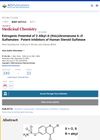
September 2003 in “Journal of Medicinal Chemistry” A substance called Compound 2g can strongly block STS (a hormone-related enzyme) without affecting estrogen levels, making it potentially good for treating breast cancer.
July 2024 in “Journal of Investigative Dermatology” Topical sulforaphane reduces pigmentation and wrinkles from sun damage.
 25 citations
,
May 2003 in “Expert Opinion on Therapeutic Patents”
25 citations
,
May 2003 in “Expert Opinion on Therapeutic Patents” Steroid Sulfatase inhibitors show promise in treating hormone-dependent disorders like cancers, hair loss, and acne, with 667COUMATE being a potential candidate for breast cancer treatment trials.
9 citations
,
January 2011 in “Journal of X-ray science and technology” Perming and bleaching damage hair differently, with bleached hair having more cysteic acid in the cuticle.
13 citations
,
September 2017 in “International Journal of Cosmetic Science” Thioglycerol treatment at pH 9.0 with ammonia causes less hair damage and better waving than thioglycolic acid.