 4 citations
,
January 2014 in “RSC Advances”
4 citations
,
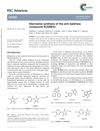
January 2014 in “RSC Advances” A new, less toxic and more efficient method to create the anti-baldness compound RU58841 was developed in 2014.
16 citations
,
April 2000 in “Journal of Investigative Dermatology” The AVET system effectively delivers genes to human keratinocytes and may help treat skin diseases.
20 citations
,
December 1999 in “Journal of Investigative Dermatology” Mutations in the hHb6 gene cause the hair disorder monilethrix.
 14 citations
,
May 2019 in “Human gene therapy”
14 citations
,
May 2019 in “Human gene therapy” MC-DNA vector-based gene therapy can temporarily treat CBS deficiency in mice.
July 2025 in “Journal of Investigative Dermatology”  146 citations
,
May 2002 in “The American journal of pathology”
146 citations
,
May 2002 in “The American journal of pathology” Cathepsin L is essential for normal hair growth and development.
3 citations
,
January 2021 in “Molecular genetics & genomic medicine” The study found two new mutations in a Chinese patient with severe biotinidase deficiency.
20 citations
,
June 2003 in “Neurology” Tacrolimus and corticosteroids can improve symptoms of Satoyoshi syndrome.
7 citations
,
July 2023 in “International Journal of Molecular Sciences” Hyaluronic acid reduces cell damage from DMSO in preserved human cells.
10 citations
,
August 1998 in “Journal of Investigative Dermatology” 15 citations
,
March 2021 in “EMBO Reports” PRSS35 enzyme may help start skin tumors and could be a target for cancer treatment.
 January 2026 in “RSC Advances”
 The hydrogel helps heal wounds without scars by releasing two drugs gradually.
14 citations
,
August 2017 in “International Journal of Immunopathology and Pharmacology” Photodynamic therapy improved skin issues from sorafenib when other treatments failed.

L-PGDS has specific binding sites for its functions and could help in drug delivery system design.
9 citations
,
April 1970 in “Biochemical pharmacology” Stilbamidine and hydroxystilbamidine inhibit enzyme release from lysosomes and have effects similar to cortisol and chloroquine.
4 citations
,
March 2019 in “JAT. Journal of applied toxicology/Journal of applied toxicology” PFOS exposure disrupts hormone levels and enzyme activities in juvenile frogs, affecting males and females differently.
 July 2022 in “The journal of investigative dermatology/Journal of investigative dermatology”
 The early genes of a specific virus can cause abnormal skin cell growth and hair follicle changes.
April 2023 in “Journal of Drug Delivery Science and Technology” The new minoxidil gel improves hair growth and reduces skin irritation.
 January 2024 in “Wiadomości Lekarskie”
 New markers can detect tumors, aid drug delivery, and treat cancer effectively and safely.
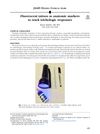 July 2018 in “Journal of The American Academy of Dermatology”
 Fluorescent tattoos are a good way to mark the scalp for hair treatments because they're accurate, invisible in normal light, and have low risk.
 11 citations
,
January 2011 in “Journal of Cutaneous and Aesthetic Surgery”
11 citations
,
January 2011 in “Journal of Cutaneous and Aesthetic Surgery” Follicular unit transplant successfully repigmented vitiligo patch on upper lip.
6 citations
,
February 1997 in “International Journal of Dermatology” Kaposi's sarcoma lesions might originate from benign tissue changes.
 1 citations
,
October 2022 in “Molecular therapy”
1 citations
,
October 2022 in “Molecular therapy” The FDA approved the first gene therapy for a blood disorder after overcoming early challenges and demonstrating patient benefits.
 November 2022 in “Journal of Investigative Dermatology”
 The study found that skin inflammation and immune response pathways are activated in Solar Urticaria patients after UV exposure, unlike in healthy people.
UBC13 and UBC22 enzymes are important for plant growth and development in Arabidopsis thaliana.
September 2018 in “PubMed” New strategies like vitamin A and dextromethorphan can help reduce methotrexate side effects and improve patient adherence.

A new syndrome, Teelwani Syndrome, combines features of two rare genetic disorders.

Newly designed proteins can effectively degrade specific proteins in cells, offering a potential new therapy method.
CCC1 is essential for pH balance and normal cell function in plants.
7 citations
,
August 2023 in “Life” Extracellular vesicles could help tailor drug treatments, but more research is needed.