Search
for
Sort by
Research
120-150 / 1000+ results
research Efficient Intradermal Delivery of Superoxide Dismutase Using a Combination of Liposomes and Iontophoresis for Protection against UV-Induced Skin Damage
Liposomes and iontophoresis effectively deliver protective enzymes into the skin against UV damage.
research An investigation into the action of transglutaminase on human hair
Transglutaminase does not modify human hair.

research Multifaceted roles of superoxide dismutases (SODs) in cellular homeostasis and cancer progression: Redox regulation and therapeutic implications
Superoxide dismutases help balance cell stress and may aid cancer treatment.

research Rapid Characterization of the Functional and Pharmacological Consequences of Cantú Syndrome KATPChannel Mutations in Intact Cells
Kir6.1 mutations in Cantú syndrome increase channel sensitivity and hyperpolarization, while SUR2B mutations do not.

research 138 Characterization of xenobiotic metabolizing enzymes of a reconstructed human epidermal model from adult hair follicles
The reconstructed skin model from hair follicles functions like human skin in processing chemicals and can be used to test ingredient safety.
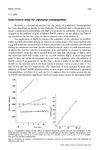
research Colorimetric assay for γ-glutamyl transpeptidase
The document concludes that measuring γ-glutamyl transpeptidase activity is more accurate with a higher substrate concentration and using diluted acetic acid to stop the reaction.
research Uptake of sulfur-35 in human hair.
Sulfur-35 can be used to track hair growth and past exposure.
research A natural deep eutectic solvent formulation promotes hair growth by enhancing the transdermal delivery and bioactivity of hydroxytyrosol
A special solvent helps hydroxytyrosol penetrate skin better, promoting hair growth.
research Trichothiodystrophy: Current Concepts
TTD patients don't have a higher skin cancer risk because their main issue is with transcription, not DNA repair.
research Serine palmitoyltransferase and peripheral neuropathy: studies on neuropathy-causing mutations and their biochemical hallmarks
Dietary L-serine supplementation can reduce symptoms of HSAN1 by lowering harmful 1-deoxySL levels.
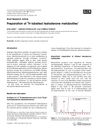
research Preparation of3H-labelled testosterone metabolites
The conclusion is that tritium-labeled testosterone metabolites can be made and are better converted into dihydrotestosterone in skin cells than in prostate tissue.
research Steroid Sulfatase Deficiency and Androgen Activation Before and After Puberty
In STSD patients, the body compensates for low androgen levels by increasing another enzyme's activity.
research High-sulfur protein deficient human hair: clinical aspects and biochemical study of two unreported cases of a variant type of trichothiodystrophy
Two patients had a unique form of trichothiodystrophy with reduced high-sulfur proteins in their hair.

research 1329 Transglutaminase 2 deficiency leads to lipid accumulation and reduced autophagy in SZ95 sebocytes
Lack of TG2 increases fat storage and lowers cell cleanup in skin oil cells.
research Vitiligo-like depigmentation with perifollicular pigment retention in systemic sclerosis treated successfully with suplatast tosilate
Suplatast tosilate successfully treated a woman's systemic sclerosis symptoms.
research Two Hydroxyproline Galactosyltransferases, GALT5 and GALT2, Function in Arabinogalactan-Protein Glycosylation, Growth and Development in Arabidopsis
GALT5 and GALT2 are important for plant growth and development because they help with protein glycosylation.
research Detection of polysulfide species in human hair cuticle and protective effect of sulfur donor on heat induced-damage of hair

research Identification of a Cyclosporine-Specific P450 Hydroxylase Gene through Targeted Cytochrome P450 Complement (CYPome) Disruption in Sebekia benihana
A gene in Sebekia benihana, CYP-sb21, is needed for a specific reaction on the drug Cyclosporine A, which could be important for hair growth without affecting the immune system.

research Trichothiodystrophy hair shafts display distinct ultrastructural features
Trichothiodystrophy hair is structurally abnormal with protein and organization issues.
research Tyrosinase inhibition due to interaction of homocyst(e)ine with copper: the mechanism for reversible hypopigmentation in homocystinuria due to cystathionine beta-synthase deficiency.
Lowering homocyst(e)ine levels can reverse skin and hair lightening by restoring enzyme activity needed for pigmentation.
research Research on the balance of Thiol Disulphide in Women Patients with Telogen Effluvium
Women with telogen effluvium have an imbalance in thiol-disulphide, suggesting oxidative stress may contribute to hair loss.
research Modification of hair dysplasia curve by radioprotectors containg sulfur as a function of the x-ray dose.
Sulfur-containing radioprotectors can protect hair from X-ray damage if given before exposure but worsen damage if given after.
research Retinoic acid and dimethyl sulfoxide promote efficient delivery of transgenes to mouse skin by topically transdermal penetration
Retinoic acid and DMSO improve gene delivery to mouse skin for potential hair and skin disease treatment.
research Mapping the accessibility of the disulfide crosslink network in the wool fiber cortex
Cysteines in wool fibers are accessible and form important disulfide bonds.

research The silver locus product (Silv/gp100/Pmel17) as a new tool for the analysis of melanosome transfer in human melanocyte–keratinocyte co‐culture
The new assay can track and measure melanosome transfer between skin cells, confirming filopodia's role in this process.
research Cloning and Activity of Mouse Ultra-High Sulfur Keratin Gene Promoter
The UHS promoter is specific to mouse hair follicles.
research Activation of Polyamine Catabolism Profoundly Alters Tissue Polyamine Pools and Affects Hair Growth and Female Fertility in Transgenic Mice Overexpressing Spermidine/SpermineN 1-Acetyltransferase
Overexpressing a specific enzyme in mice causes hair loss and female infertility.

research The effect of topical minoxidil treatment on follicular sulfotransferase enzymatic activity.
Topical minoxidil does not change the activity of hair follicle enzymes that metabolize it.
research Genetically Altered Expression of Spermidine/Spermine N1-Acetyltransferase Affects Fat Metabolism in Mice via Acetyl-CoA
Altering SSAT affects fat metabolism and body fat in mice.