 1 citations
,
November 2017 in “Dermatologic clinics”
1 citations
,
November 2017 in “Dermatologic clinics” Combination therapies can improve hair loss treatment results and boost self-confidence in men.
 1 citations
,
May 2014 in “Lipid Technology”
1 citations
,
May 2014 in “Lipid Technology” New cleaning surfactants, biofuel production plans, dairy expansions, improved lipid testing methods, and various product launches and developments were reported in lipid technology.
 1 citations
,
October 2012 in “Medical Hypotheses”
1 citations
,
October 2012 in “Medical Hypotheses” The conclusion suggests that treatments targeting root causes of chronic diseases may be developed by focusing on gene expression and lifestyle factors.
 February 2025 in “Brazilian Journal of Hair Health”
 Multiparametric ultrasound effectively monitors scalp changes after using vasoconstrictive cosmetics.
 July 2023 in “The Egyptian Journal of Hospital Medicine ”
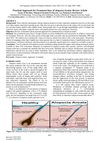
 The conclusion is that emotional support and a variety of treatments are important for alopecia areata, but more research is needed.
 March 2011 in “Journal of clinical and experimental investigations”
 Thallium poisoning can cause hair loss, skin rashes, and nerve damage, and can be fatal if not correctly diagnosed and treated.
 October 2002 in “Dermatologic Surgery”
 The document concludes that careful planning, efficient use of every hair graft, and setting surgical priorities are crucial for successful hair restoration surgery.
 September 2002 in “Dermatologic Surgery”
 The evaluation system improves patient selection for hair loss surgery, leading to fewer but more successful surgeries.
 June 2002 in “Dermatologic Surgery”
 Chinese scalps have fewer hair clusters than Caucasians, and transplanting 30 clusters per square centimeter creates a natural-looking hairline for bald Chinese individuals.
World War II led to major advancements in American military medicine.
 April 2026 in “Brazilian Journal of Hair Health”
 Combining exosomes with microneedling may improve hair growth in androgenetic alopecia.
 March 2026 in “Saudi Journal of Pathology and Microbiology”
 Personalized genomic interventions can effectively manage chronic hair loss.
 February 2026 in “Editora Pasteur eBooks”
 An integrative approach combining medical, nutritional, and lifestyle changes effectively manages female pattern hair loss.
Alopesi tedavisinde ilaçlar saç büyümesini teşvik eder ve yeni yaklaşımlar umut vaat eder.
 August 2025 in “Dermatology Reports”
 Rosemary oil may reduce hair greying risk.
 August 2025 in “Editora Pasteur eBooks”
 Combining conventional and integrative treatments can help reduce hair loss and improve hair growth in women with androgenic alopecia.
 May 2025 in “Journal of the ASEAN Federation of Endocrine Societies”
 VHL disease can cause early paragangliomas, needing lifelong monitoring.
 December 2024 in “International Journal of Community Medicine and Public Health”
 Children with celiac disease often have skin issues, best managed with a gluten-free diet and sometimes medication.
 October 2024 in “Dermatology Practical & Conceptual”
 Porokeratosis should be considered for scalp lesions, with new treatments like topical cholesterol/lovastatin offering promise.
 August 2024 in “Life Science Alliance”
 Helminth protein helps wounds heal better by reducing scarring and promoting tissue growth.
 January 2024 in “International Ayurvedic medical journal”
 The Ayurvedic treatment helped a woman with PCOS, improving her symptoms and menstrual cycle.
 January 2024 in “Journal of Cosmetics Dermatological Sciences and Applications”
 Females with pattern hair loss have more occipital involvement than males.
Low-dose oral minoxidil is generally safe for treating hair loss, with mostly mild side effects.
 December 2023 in “JCEM case reports”
 A new gene variant causes glucocorticoid resistance in a mother and son.
Screening for iron levels in patients with hair loss may help find a genetic iron overload condition early.
 January 2022 in “Acta dermatovenerologica Alpina, Pannonica et Adriatica (Tiskana izd.)”
 Uncombable hair syndrome causes frizzy hair and can affect the nervous system, eyes, and ears, often co-occurring with other hair, skin, nail, and teeth conditions, and is linked to three specific gene mutations.
 April 2021 in “Journal of Cosmetic Dermatology”
 The May 2021 issue of the Journal of Cosmetic Dermatology suggests injectables are becoming more reliable and may reduce the need for cosmetic surgery.
 October 2020 in “Medicine - Programa De Formación Médica Continuada Acreditado”
 Female hyperandrogenism is a condition caused by too much male hormones, leading to skin issues and ovulation problems, often due to Polycystic Ovary Syndrome, and is treated based on individual symptoms.
 May 2020 in “International Journal of Engineering Applied Sciences and Technology”
 Bioactive plant materials like lemon, garlic, and neem effectively fight harmful bacteria.
 January 2019 in “The Annals of Thoracic Surgery”
 The document concludes that careful planning and execution of facial gender affirmation surgery after at least 12 months of hormonal therapy can improve the quality of life for transgender individuals.