 November 2023 in “Journal of Cosmetic and Laser Therapy”
 Most alopecia patients are open to trying light therapy, especially at-home devices, but cost is a big factor in their willingness.
November 2025 in “Physics of Fluids” Low-intensity ultrasound can safely enhance hair regrowth by selecting the right frequency and intensity.
1 citations
,
January 2016 PRP is a promising non-surgical option for skin and hair rejuvenation.
April 2024 in “Al-Azhar International Medical Journal /Al-Azhar International Medical Journal” Combining fractional CO2 laser or microneedling with 5-FU is more effective and safer for treating vitiligo.
 4 citations
,
May 2021 in “Lasers in Surgery and Medicine”
4 citations
,
May 2021 in “Lasers in Surgery and Medicine” Light therapy reduces scalp inflammation, boosts hair regrowth with Minoxidil 2%.
 13 citations
,
October 2011 in “Clinical and Experimental Dermatology”
13 citations
,
October 2011 in “Clinical and Experimental Dermatology” Laser hair-comb therapy doesn't improve male-pattern hair loss.
47 citations
,
April 2012 in “Analytical and Bioanalytical Chemistry”  August 2025 in “Arabixiv (OSF Preprints)”
 Low-level laser therapy effectively improves hair growth in androgenetic alopecia with minimal side effects.
 November 2024 in “PubMed”
 Terbinafine can cause skin reactions when exposed to sunlight, so sun exposure should be avoided during treatment.
 December 2024 in “Dermatologic Surgery”
 Dual wavelength LED caps can safely increase hair density in androgenetic alopecia.
June 2024 in “Lasers in Surgery and Medicine” The cooling system effectively and safely treats benign pigmented lesions in Asians.
 36 citations
,
April 2016 in “Experimental Dermatology”
36 citations
,
April 2016 in “Experimental Dermatology” Photobiomodulation may help with hair growth and wound healing, but research is inconsistent and needs better quality studies.
September 2024 in “Journal of the American Academy of Dermatology” Subcision is the most efficient, cost-effective, and safest treatment for post-acne boxcar scarring in skin of color.
 August 2024 in “Dermatological Reviews”
 New technologies are improving the diagnosis and treatment of hair and nail disorders.
 March 2026 in “Healthcare”
 Improving understanding of laser hair removal can reduce anxiety and help people make better decisions.
 November 2025 in “SKIN The Journal of Cutaneous Medicine”
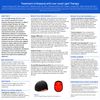
 Low-level light therapy safely increases hair growth in various types of hair loss.
 2 citations
,
July 2019 in “Journal of lasers in medical sciences”
2 citations
,
July 2019 in “Journal of lasers in medical sciences” Laser treatment and synovial fluid can change hair follicle cells to resemble joint cells, with the changes being more significant when both treatments are used together.
 August 2023 in “European journal of dermatology/EJD. European journal of dermatology”
 Combining topical delgocitinib with a 308-nm excimer laser can effectively treat severe alopecia areata and vitiligo.
July 2024 in “Journal of Investigative Dermatology” January 2017 in “Surgical and Cosmetic Dermatology” Combining laser therapy with drug injections effectively treats androgenetic alopecia.
July 2024 in “Zagazig University Medical Journal” Excimer laser can effectively treat mild to moderate patchy alopecia areata.
Ablative CO2 laser resurfacing tightens skin by destroying and regenerating skin layers.
 7 citations
,
October 2006 in “Medical hypotheses”
7 citations
,
October 2006 in “Medical hypotheses” UV light might cause excessive hair growth by increasing PGE2 in the skin.
July 2025 in “Nano Research” Microneedles offer a promising, less invasive way to treat and monitor psoriasis.
1 citations
,
June 2025 in “Therapeutic Delivery” Gas-propelled microneedles can improve drug delivery efficiency and precision.
 January 2025 in “Lasers in Medical Science”
 CO2 fractional laser treatment helped regrow hair in a 13-year-old with alopecia areata.
37 citations
,
November 2011 in “Photodermatology Photoimmunology & Photomedicine” Narrowband UVB phototherapy alone is not very effective for treating alopecia areata.
 1 citations
,
October 2022 in “Sci”
1 citations
,
October 2022 in “Sci” Helmets used in acupuncture and light therapy can affect brain blood flow, hair growth, and may improve brain diseases and cognitive functions.
 6 citations
,
June 2013 in “British Journal of Dermatology”
6 citations
,
June 2013 in “British Journal of Dermatology” Intense pulsed light treatment mainly damages pigmented hair parts but spares stem cells, allowing hair to regrow.
 4 citations
,
March 2013 in “The American Journal of Cosmetic Surgery”
4 citations
,
March 2013 in “The American Journal of Cosmetic Surgery” Melanin absorbing light is necessary but not enough for effective hair removal by light treatment.