6 citations
,
August 2024 in “The Journal of Dermatology” Ozenoxacin reduces sebum production, helping manage acne.
December 2021 in “Figshare” BBS7 is essential for healthy gums by supporting cell function and blood flow.
 26 citations
,
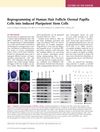
February 2012 in “Journal of Investigative Dermatology”
26 citations
,
February 2012 in “Journal of Investigative Dermatology” Human hair follicle cells can be successfully transformed into different types of cells, but not more efficiently than other adult cells.
1 citations
,
October 2024 in “World Journal of Gastroenterology” Inhibiting the Wnt pathway may help stop liver cancer growth.
1 citations
,
May 2022 in “International journal of molecular sciences” Faulty LEF1 activation causes faster skin cell differentiation in premature aging syndrome.
 2 citations
,
October 2017 in “Revista Da Associacao Medica Brasileira”
2 citations
,
October 2017 in “Revista Da Associacao Medica Brasileira” Removing p16INK4a from skin cells can lead to faster and more clumped growth, which might help with hair growth.
18 citations
,
January 2013 in “Journal of Investigative Dermatology” WIF1 helps keep skin stem cells inactive to prevent excessive cell growth.
209 citations
,
October 2018 in “Cell Reports” Lgr5 and Lgr6 stem cells quickly adapt to help heal wounds.
 5 citations
,
July 2022 in “Orphanet journal of rare diseases”
5 citations
,
July 2022 in “Orphanet journal of rare diseases” RSPO1 mutations in certain patients lead to skin cells that don't develop properly and are more likely to become invasive, increasing the risk of skin cancer.
June 1996 in “Journal of Dermatological Science” 7 citations
,
November 2022 in “Biochemical and Biophysical Research Communications” CD34+ cells behave differently in anagen and diabetic wounds, suggesting new wound treatment options.
27 citations
,
May 2011 in “Current Opinion in Ophthalmology” New treatments using stem cells and special materials show promise for severe eye surface disease.
August 2020 in “bioRxiv (Cold Spring Harbor Laboratory)” Normal cells outcompete and remove mutant cells in the pancreas with the help of the EphA2 receptor.
 5 citations
,
May 2019 in “Archives of Dermatological Research”
5 citations
,
May 2019 in “Archives of Dermatological Research” Narrowband UVB treatment increases certain gene expressions in psoriasis skin and improves symptoms.
The scant hair in snthr-1Bao mice is likely caused by a deletion affecting the Plcd1 gene.
November 2025 in “Journal of Kufa for Chemical Sciences” L-Selectin and adiponectin can help identify PCOS patients who respond to Metformin treatment.
February 2026 in “Advanced Science” Targeting the p300/AR axis may help treat polycystic ovary syndrome.

Human dermal papilla cell vesicles can reduce skin fibrosis in mice.
 8 citations
,
July 2019 in “Cell Proliferation”
8 citations
,
July 2019 in “Cell Proliferation” Researchers found a way to turn skin cells into cells that can grow new hair.
 155 citations
,
May 2016 in “Nature communications”
155 citations
,
May 2016 in “Nature communications” Memory T cells in the skin balance staying put and moving into the blood, clustering around hair follicles, and increasing in number after infection.
 10 citations
,
May 2019 in “BMC Complementary and Alternative Medicine”
10 citations
,
May 2019 in “BMC Complementary and Alternative Medicine” The extract from Bacillus/Trapa japonica fruit helps increase hair growth and could be a potential treatment for hair loss.
April 2016 in “The journal of investigative dermatology/Journal of investigative dermatology” Laminin-511 is involved in psoriasis development and can be regulated by cannabinoid receptor type 1.
 1 citations
,
September 2025 in “Journal of Zhejiang University SCIENCE B”
1 citations
,
September 2025 in “Journal of Zhejiang University SCIENCE B” Photodynamic therapy successfully treated skin cancer in a 53-year-old woman.
 January 2024 in “Wiadomości Lekarskie”
 New markers can detect tumors, aid drug delivery, and treat cancer effectively and safely.
 July 2026 in “npj Regenerative Medicine”
 Gli2 and Serpinh1 are key for skin wound healing by helping fibroblasts close wounds.
11 citations
,
August 1987 in “Archives of Dermatology” Langerhans' cells are not involved in hair depigmentation in these mice.
June 2026 in “Journal of Biomedical Materials Research Part B Applied Biomaterials” The hydrogel with cells significantly speeds up pressure ulcer healing.
January 2014 in “Journal of Jilin University” Higher levels of certain immune cells and proteins are linked to more severe lupus symptoms.
November 2025 in “Journal of Investigative Dermatology” Tanning ability is linked to specific DNA changes in skin genes.
24 citations
,
January 1989 Human papilla cells from hair follicles show unique growth behaviors but don't induce hair growth in vitro.