September 2023 in “Journal of the American Academy of Dermatology” Severe alopecia areata may increase the risk of hidden artery disease.
1 citations
,
August 2023 in “Animals” Chimp Haven uses a special system to check and improve the well-being of their chimpanzees, which could help other animal sanctuaries too.
September 2024 in “Clinical Case Reports” Early recognition and multidisciplinary management of Whitaker syndrome can improve patient outcomes.
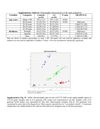 7 citations
,
July 2020 in “Immunological Investigations”
7 citations
,
July 2020 in “Immunological Investigations” The rs231775 genetic variant is linked to a higher risk and severity of Alopecia Areata in males.
 8 citations
,
March 2021 in “Medicine”
8 citations
,
March 2021 in “Medicine” The revised Chinese Symptom Checklist-90 is more reliable and valid for psychological assessments.
 37 citations
,
January 2005 in “Dermatology Online Journal”
37 citations
,
January 2005 in “Dermatology Online Journal” Women under 55 with hair loss (AGA) may have a higher risk of heart disease (CAD).
 14 citations
,
January 2011 in “Journal of Cutaneous Pathology”
14 citations
,
January 2011 in “Journal of Cutaneous Pathology” CK15 is not a reliable marker for stem cells in damaged hair follicles from patients with CCCA.
 June 2019 in “Brain Imaging and Behavior”
 Hair loss can indicate brain aging and potential small vessel disease, but more research is needed to understand the clinical impact.
 22 citations
,
June 2004 in “Journal of The European Academy of Dermatology and Venereology”
22 citations
,
June 2004 in “Journal of The European Academy of Dermatology and Venereology” A woman had both Graham Little-Piccardi-Lassueur syndrome, causing hair loss, and complete androgen insensitivity syndrome, making her genetically male but physically female. This suggests androgens don't affect the hair loss condition.
80 citations
,
January 1979 in “Journal of Surgical Oncology” Keratoacanthoma is a common, usually non-dangerous skin tumor that looks like squamous cell carcinoma but rarely becomes severe.
 January 2014 in “Michigan telecommunications and technology law review”
 Zinc deficiency in alcoholic cirrhosis patients causes skin issues, and zinc treatment improves symptoms.
 November 2024 in “International Journal of Dermatology”
 LC-OCT is a useful noninvasive tool for diagnosing and monitoring alopecia areata.
 July 2024 in “Heart Lung and Circulation”
 There may be a link between hair loss and heart disease in women, but more research is needed.
 12 citations
,
March 2013 in “Cancer Causes & Control”
12 citations
,
March 2013 in “Cancer Causes & Control” Early balding, especially frontal, increases prostate cancer risk; more research needed.
40 citations
,
October 2012 in “Journal of the American Academy of Dermatology” CLASI is a valid tool for assessing skin activity and damage in lupus patients.
 40 citations
,
May 2012 in “British Journal of Dermatology”
40 citations
,
May 2012 in “British Journal of Dermatology” Recognizing specific features of African-American hair can help diagnose hair loss conditions.
 May 2015 in “Cancer Research”
 A new treatment may prevent hair loss from chemotherapy by normalizing scalp cell death and reducing inflammation.
6 citations
,
April 2012 in “PubMed” Enteral supplements can improve symptoms of Cronkhite-Canada syndrome.
 1 citations
,
September 2014 in “Hormones”
1 citations
,
September 2014 in “Hormones” Over a third of women thought to have non-classical congenital adrenal hyperplasia didn't have it confirmed by genetic tests.
 December 2022 in “Gastroenterology”
 A man with Cronkhite-Canada syndrome improved significantly with immunosuppressive therapy.
 November 2025 in “Frontiers in Medicine”
 The SAALIQ is a reliable tool for measuring the impact of alopecia areata on Spanish-speaking patients' quality of life.
 June 2016 in “American Journal of Cardiology”
 Hair loss may indicate higher risk of heart disease.
 1 citations
,
November 2024 in “Cureus”
1 citations
,
November 2024 in “Cureus” Recognizing RSCC is crucial due to its aggressive nature and high risk of poor outcomes.
 June 2021 in “Journal of The American Academy of Dermatology”
 The "spade sign" is a highly specific indicator for diagnosing acne keloidalis.
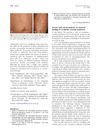 13 citations
,
June 2010 in “Journal of The American Academy of Dermatology”
13 citations
,
June 2010 in “Journal of The American Academy of Dermatology” A man with Cronkhite-Canada syndrome had all 20 nails detach but improved with treatment.
 January 2024 in “bioRxiv (Cold Spring Harbor Laboratory)”
 The gene Ascl4 is not necessary for the development of hair, teeth, or mammary glands.

Centralized imaging provides more accurate and consistent hair loss measurements in alopecia areata.
March 2024 in “INDIAN JOURNAL OF APPLIED RESEARCH” Polarity Analysis with Calcarea Carbonica may effectively treat alopecia areata with fewer side effects.
September 2007 in “The American Journal of Gastroenterology” Cronkhite-Canada syndrome causes chronic diarrhea and has a poor prognosis despite treatment.
2 citations
,
January 2014 in “Case Reports in Clinical Medicine” Cronkhite-Canada syndrome is a rare condition causing gut polyps, hair loss, skin changes, and nail issues, often with a poor outlook.