1 citations
,
January 2004 in “Linchuang pifuke zazhi” Topical cyclosporin-A is recommended for severe alopecia areata.
 July 2024 in “JAAD Case Reports”
 Corticosteroid injections for hair loss may cause eye problems, so caution is needed.
 2 citations
,
April 2022 in “Clinical, cosmetic and investigational dermatology”
2 citations
,
April 2022 in “Clinical, cosmetic and investigational dermatology” A new plant-based treatment was effective for hair regrowth in women with a specific type of hair loss that didn't respond to usual treatments.
1 citations
,
December 2023 in “JAAD International” Mast cells may significantly contribute to central centrifugal cicatricial alopecia.
 July 2021 in “Scholars Journal of Medical Case Reports”
 Woodhouse-Sakati Syndrome can include unique symptoms like liver issues and low growth hormone.
8 citations
,
June 2023 in “British Journal of Dermatology” The SAAD-41 scale effectively measures the psychosocial impact of alopecia areata.
 July 2024 in “Journal of Rare Diseases”
 Woodhouse-Sakati syndrome shows varied symptoms and genetic differences within families.
1 citations
,
September 2021 in “Dermatologic Therapy” AC5 improves hair loss and hair quality with high satisfaction rates.
 November 2024 in “SKIN The Journal of Cutaneous Medicine”
 Visual signs are crucial for accurately diagnosing and treating different types of hair loss in Black patients.

A woman with a rare hair loss condition developed skin cancer in the bald area.
January 2022 in “Clinical Cases in Dermatology” A 12-year-old boy has a rare, harmless hair loss on his chin with no need for treatment.
 March 2024 in “Healthcare”
 Stem cell treatment improved life quality and sexual function in women with hair loss.
 September 2023 in “JEADV Clinical Practice”
 People with common hair loss conditions may have a higher risk of heart disease and related health issues.
 29 citations
,
December 2012 in “Current Opinion in Endocrinology, Diabetes and Obesity”
29 citations
,
December 2012 in “Current Opinion in Endocrinology, Diabetes and Obesity” With careful management, people with congenital adrenal hyperplasia can have successful pregnancies and become parents.
June 2026 in “BULLETIN OF STOMATOLOGY AND MAXILLOFACIAL SURGERY” Keratoacanthoma should be accurately diagnosed and treated based on its characteristics, often using surgery or tissue-preserving methods.
 1 citations
,
January 2016 in “Medicinski glasnik Specijalne bolnice za bolesti štitaste žlezde i bolesti metabolizma”
1 citations
,
January 2016 in “Medicinski glasnik Specijalne bolnice za bolesti štitaste žlezde i bolesti metabolizma” Most 46XX CAH patients have female identity, but a few identify as male and may need treatment and surgery.
 September 2022 in “JAAD Case Reports”
 COVID-19 may worsen hair loss in people with a certain type of scarring alopecia, but early treatment can help improve symptoms and hair regrowth.
 117 citations
,
May 2017 in “Human Reproduction Update”
117 citations
,
May 2017 in “Human Reproduction Update” The update highlights that non-classic congenital adrenal hyperplasia is common in women with excess male hormones, requires specific hormone tests for diagnosis, and has various treatment options depending on age and symptoms.
 42 citations
,
July 2015 in “Journal of The American Academy of Dermatology”
42 citations
,
July 2015 in “Journal of The American Academy of Dermatology” The conclusion is that oral contraceptives and antiandrogens can treat hirsutism and acne in women with cutaneous hyperandrogenism, but more research is needed for effective treatments, especially for hair loss.
 3 citations
,
January 2024 in “Annals of Dermatology”
3 citations
,
January 2024 in “Annals of Dermatology” The criteria help doctors diagnose and treat alopecia areata more effectively.
 1 citations
,
April 2017 in “Journal of Investigative Dermatology”
1 citations
,
April 2017 in “Journal of Investigative Dermatology” A new one-step test can quickly identify skin cancer during surgery.
5 citations
,
January 2024 in “JID Innovations” CCCA involves immune response and metabolism issues, suggesting new treatment options.
 April 2010 in “The Journal of Urology”
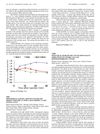
 Human prostate cells produce more WISP1/CCN4 when there's not enough oxygen.
 17 citations
,
May 2016 in “Archives of Dermatological Research”
17 citations
,
May 2016 in “Archives of Dermatological Research” Reflectance confocal microscopy can help tell apart scarring from non-scarring hair loss.

Excluding alopecia and mucous membrane components from the CLASI-A score reduces its effectiveness in capturing important disease activity.
 7 citations
,
December 2016 in “British Journal of Dermatology”
7 citations
,
December 2016 in “British Journal of Dermatology” The report suggests that hair loss in Cronkhite-Canada syndrome may be caused by alopecia areata incognita, as shown by a patient's improvement with treatment.
 3 citations
,
May 2019 in “Australasian Journal of Dermatology”
3 citations
,
May 2019 in “Australasian Journal of Dermatology” Hair loss in Cronkhite-Canada syndrome may be caused by autoimmune factors, not just stress or malabsorption.
December 2019 in “The American Journal of Gastroenterology” Small bowel lesions in Cronkhite-Canada syndrome persist despite steroid treatment.

1′S-1′-Acetoxychavicol acetate may help treat hair loss by reducing oxidative stress.
 October 2024 in “Medicine”
 Cronkhite-Canada syndrome is rare, has a poor prognosis, and requires early diagnosis and ongoing treatment.