
Stem cells can improve skin grafts by enhancing blood flow and hair growth.
 February 2024 in “Asian journal of medical sciences”
 Proper hygiene, adequate sleep, and self-care can reduce common skin diseases.
 January 2024 in “Archives of pharmacy practice”
 The skin is vital for protection, temperature control, fluid balance, immunity, and sensing, with damage affecting daily life and mental health.
 October 2023 in “bioRxiv (Cold Spring Harbor Laboratory)”
 Immune cells are essential for early hair and skin development and healing.
 September 2019 in “The journal of investigative dermatology/Journal of investigative dermatology”
 Not having enough cystatin M/E protein causes less hair growth and dry skin.
 January 2018 in “Stem cell biology and regenerative medicine”
 The conclusion is that the nuclear lamina and LINC complex in skin cells respond to mechanical signals, affecting gene expression and cell differentiation, which is important for skin health and can impact skin diseases.
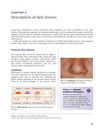
The document explains different types of skin lesions and their characteristics, causes, and related conditions.

Skin stem cells are crucial for maintaining and repairing skin, with potential for treating skin disorders and improving wound healing.
 January 2016 in “SpringerBriefs in bioengineering”
 Genetic defects and UV radiation cause skin damage and aging.
 January 2016 in “Dermatology Review”
 Endocrine disorders can cause various skin and hair issues.
 September 2015 in “Actas Dermo-Sifiliográficas”
 People with advanced chronic kidney disease often have skin problems, which can be treated with various medications and procedures to improve their quality of life.
 48 citations
,
October 2011 in “Sports Medicine”
48 citations
,
October 2011 in “Sports Medicine” Ice-skating athletes often have skin problems due to cold, infections, and inflammation, needing careful treatment and prevention.
 65 citations
,
January 2018 in “Nature Reviews Endocrinology”
65 citations
,
January 2018 in “Nature Reviews Endocrinology” Skin fat has important roles in hair growth, skin repair, immune defense, and aging, and could be targeted for skin and hair treatments.
 48 citations
,
April 2010 in “Journal of the European Academy of Dermatology and Venereology”
48 citations
,
April 2010 in “Journal of the European Academy of Dermatology and Venereology” Men are more likely to get infectious skin diseases, while women are more prone to autoimmune and pigment-related skin conditions, influenced by biological and environmental factors.
 7 citations
,
June 2015 in “Cutaneous and Ocular Toxicology”
7 citations
,
June 2015 in “Cutaneous and Ocular Toxicology” Some drugs can cause skin reactions, which may improve when the drug is stopped, and rapid diagnosis and stopping the drug is crucial.
 November 2025 in “IECCMEXICO”
 3D bioprinting advancements are improving skin regeneration for wound healing and personalized reconstruction.
 January 2023 in “Frontiers research topics”
 Skin conditions can cause significant psychological distress, so addressing mental health is crucial for improving quality of life.
 359 citations
,
January 2015 in “Cold Spring Harbor Perspectives in Medicine”
359 citations
,
January 2015 in “Cold Spring Harbor Perspectives in Medicine” Hair growth phase and certain genes can speed up wound healing, while an inflammatory mediator can slow down new hair growth after a wound. Understanding these factors can improve tissue regeneration during wound healing.
 232 citations
,
October 2015 in “International journal of molecular sciences”
232 citations
,
October 2015 in “International journal of molecular sciences” Stem cells are crucial for skin repair and new treatments for chronic wounds.
 176 citations
,
August 2000 in “The Journal of clinical endocrinology and metabolism/Journal of clinical endocrinology & metabolism”
176 citations
,
August 2000 in “The Journal of clinical endocrinology and metabolism/Journal of clinical endocrinology & metabolism” Hormone treatments in transsexual individuals reduce hair growth and oil production in male-to-females and increase them in female-to-males.
 152 citations
,
December 2007 in “Gender Medicine”
152 citations
,
December 2007 in “Gender Medicine” Male and female skin differ due to hormones, affecting conditions like hair loss, acne, and skin cancer, and suggesting a need for gender-specific treatments.
 151 citations
,
November 2018 in “International Journal of Pharmaceutics”
151 citations
,
November 2018 in “International Journal of Pharmaceutics” Nanoparticles improve drug delivery through the skin but more research is needed on their long-term effects and skin penetration challenges.
 150 citations
,
January 2018 in “Burns & Trauma”
150 citations
,
January 2018 in “Burns & Trauma” Bioprinting could improve wound healing but needs more development to match real skin.
 137 citations
,
April 2015 in “Nature Reviews Molecular Cell Biology”
137 citations
,
April 2015 in “Nature Reviews Molecular Cell Biology” Different types of stem cells with unique roles exist in blood, skin, and intestines, and this variety is important for tissue repair.
 137 citations
,
June 2005 in “Climacteric”
137 citations
,
June 2005 in “Climacteric” Estrogen loss during menopause worsens skin health, but hormone replacement therapy may improve it, though more research is needed.
 134 citations
,
January 2019 in “American journal of clinical dermatology”
134 citations
,
January 2019 in “American journal of clinical dermatology” Antibiotics can reduce acne but may lead to resistant bacteria, and understanding the skin's bacteria is important for treatment.
 132 citations
,
January 2017 in “International Journal of Molecular Sciences”
132 citations
,
January 2017 in “International Journal of Molecular Sciences” Fat-derived stem cells show promise for skin repair and reducing aging signs but need more research for consistent results.
 130 citations
,
August 2020 in “Drug Design Development and Therapy”
130 citations
,
August 2020 in “Drug Design Development and Therapy” Nanoparticles can improve skin drug delivery but have challenges like toxicity and stability that need more research.
 120 citations
,
February 2009 in “Apoptosis”
120 citations
,
February 2009 in “Apoptosis” Understanding how cells die in the skin is important for treating skin diseases and preventing hair loss.
 114 citations
,
February 2012 in “International Journal of Dermatology”
114 citations
,
February 2012 in “International Journal of Dermatology” Smoking harms the skin, causing early aging and increasing cancer risk, but stopping smoking can improve skin health.