 January 2015 in “Independent Nurse”
 Different scalp conditions can lead to hair loss or tumors, with treatments varying from creams to surgery; early detection is crucial.
 4 citations
,
May 2019 in “Journal of The European Academy of Dermatology and Venereology”
4 citations
,
May 2019 in “Journal of The European Academy of Dermatology and Venereology” Hair loss treatment caused more hair loss in a man.
 26 citations
,
August 2016 in “Actas Dermo-Sifiliográficas”
26 citations
,
August 2016 in “Actas Dermo-Sifiliográficas” Frontal Fibrosing Alopecia in men is often missed and can come with symptoms like facial bumps and hair loss on eyebrows and limbs.
 7 citations
,
August 2013 in “Journal of the European Academy of Dermatology and Venereology”
7 citations
,
August 2013 in “Journal of the European Academy of Dermatology and Venereology” Less than a quarter of alopecia areata cases were unusual forms or had paradoxical regrowth.
 March 2023 in “International journal of trichology”
 Six genetic conditions are often linked to complete scalp hair loss in children.
 20 citations
,
July 2000 in “PubMed”
20 citations
,
July 2000 in “PubMed” The document outlines a method for diagnosing hair loss and suggests specific treatments based on the diagnosis.
13 citations
,
January 2013 in “Indian Journal of Dermatology Venereology and Leprology” Alopecia areata and vitiligo can coexist, respond well to treatment, and may have a better prognosis together.
 July 2002 in “Australasian Journal of Dermatology”
 A woman with lupus had hair loss and skin issues that were successfully treated with medications.
 1 citations
,
September 2021 in “The Journal of Dermatology”
1 citations
,
September 2021 in “The Journal of Dermatology” Japanese cases of fibrosing alopecia show a unique age and hair loss pattern, possibly due to racial differences.
July 2025 in “INTERNATIONAL JOURNAL OF SCIENTIFIC RESEARCH” Trichoscopy is crucial for diagnosing alopecia areata by identifying specific hair features.
 February 2023 in “Siriraj Medical Journal”
 Not all cases with typical signs of Alopecia Areata are actually diagnosed as such.
 September 2021 in “CRC Press eBooks”
 Alopecia areata incognita causes sudden hair thinning, responds well to steroids, and is more common in those with genetic hair loss conditions.
 1 citations
,
June 2021 in “Curēus”
1 citations
,
June 2021 in “Curēus” A woman with hair loss had a benign sweat duct tumor found during a scalp biopsy.
2 citations
,
January 1996 in “Annals of saudi medicine/Annals of Saudi medicine” Alopecia areata is unpredictable, with limited treatment effectiveness, especially in severe cases.
January 2023 in “Indian Dermatology Online Journal” A 23-year-old man has a benign, non-progressive hair loss patch that doesn't respond to treatment but can be cosmetically treated.
1 citations
,
January 2015 in “Acta Dermato Venereologica” Autoimmune myopathy may be linked to hair loss and skin depigmentation.
 April 2012 in “Informa Healthcare eBooks”
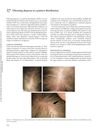
 Fibrosing alopecia in a pattern distribution is a unique hair loss condition with inflammation and scarring, resembling but distinct from common balding.
 4 citations
,
June 2011 in “PubMed”
4 citations
,
June 2011 in “PubMed” Alopecia should be treated as a medical condition because it may increase the risk of serious diseases and psychological issues.
 1 citations
,
March 1989 in “The BMJ”
1 citations
,
March 1989 in “The BMJ” A woman's hair grew back while she was taking sulphasalazine for arthritis.
 1 citations
,
April 2023 in “International Journal of Homoeopathic Sciences”
1 citations
,
April 2023 in “International Journal of Homoeopathic Sciences” Phosphorus may help treat alopecia areata.
January 2025 in “Medical Research Archives” A new classification and scoring system is needed for alopecia areata to better assess severity.
 7 citations
,
October 2015 in “Actas Dermo-Sifiliográficas”
7 citations
,
October 2015 in “Actas Dermo-Sifiliográficas” New treatments for Frontal Fibrosing Alopecia show promise, especially finasteride and dutasteride, with most patients seeing improvement or stabilization.

The study concluded that Frontal fibrosing alopecia can affect younger people, is often missed in men, and may be autoimmune-related.
 September 1997 in “Journal of The European Academy of Dermatology and Venereology”
 Alopecia linked to higher anxiety and personality disorders.
 23 citations
,
November 2011 in “Journal of the European Academy of Dermatology and Venereology”
23 citations
,
November 2011 in “Journal of the European Academy of Dermatology and Venereology” Hair loss is a rare but recognized symptom of pemphigus vulgaris, with patients usually regrowing hair after treatment.
 December 2024 in “Archiv Euromedica”
 Trichoscopy is essential for diagnosing and treating autoimmune cicatricial alopecia early.
 November 2021 in “CRC Press eBooks”
 Fibrosing alopecia in a pattern distribution is a new type of scarring hair loss that resembles common baldness and an autoimmune skin disease.
 January 2025 in “Journal of Skin and Stem Cell”
 Gout can cause hair loss, but treatment can lead to hair regrowth.
 89 citations
,
October 1996 in “Dermatologic Clinics”
89 citations
,
October 1996 in “Dermatologic Clinics” Alopecia areata is likely caused by a combination of genetic factors and immune system dysfunction, and may represent different diseases with various causes.
 March 2022 in “Más dermatología”
 Chronic lupus and frontal fibrosing alopecia can occur together, but their connection is unclear.