 1 citations
,
January 2012 in “Elsevier eBooks”
1 citations
,
January 2012 in “Elsevier eBooks” The document concludes that the skin is a complex organ providing protection, sensation, and healing, with challenges in treating conditions like itchiness.

Combining hydroxychloroquine and pimecrolimus can effectively treat hair loss from discoid lupus.

Anifrolumab treatment improves quality of life and reduces disease activity and steroid use in SLE patients.
April 2023 in “Zenodo (CERN European Organization for Nuclear Research)” High-dose vitamin D and an anti-inflammatory diet may help improve symptoms in autoimmune conditions like SLE and AA.
 February 2004 in “The New England Journal of Medicine”
 The book is a comprehensive resource on hair disorders, but lacks information on some conditions.
 122 citations
,
November 1984 in “Journal of the American Academy of Dermatology”
122 citations
,
November 1984 in “Journal of the American Academy of Dermatology” No single treatment is consistently effective for alopecia areata, and more research is needed.
 95 citations
,
November 2018 in “Australasian journal of dermatology”
95 citations
,
November 2018 in “Australasian journal of dermatology” Alopecia areata treatment varies, with no optimal method established yet.
23 citations
,
July 2015 in “Encyclopedia of Life Sciences” Systemic lupus erythematosus is a chronic disease causing inflammation and various symptoms, mainly in young women, treated with anti-inflammatory and immunosuppressive drugs.
 6 citations
,
January 2016 in “Menopause”
6 citations
,
January 2016 in “Menopause” Estrogen deficiency, like after menopause or certain surgeries, leads to faster skin aging and health issues.
1 citations
,
January 2024 in “Arab Board Medical Journal” Tofacitinib effectively regrows hair in alopecia areata patients, especially in younger individuals, with manageable side effects.
 1 citations
,
May 2017 in “InTech eBooks”
1 citations
,
May 2017 in “InTech eBooks” The document concludes that alopecia areata is an unpredictable autoimmune hair loss condition with no cure, but various treatments exist that require personalized approaches.
January 2026 in “Journal of Clinical Medicine” Janus kinase inhibitors reduce inflammation markers in severe alopecia areata patients.
December 2025 in “JEADV Clinical Practice” These new skin treatments are safer and more effective with minimal side effects.
July 2025 in “Journal of Investigative Dermatology” Systemic therapy may reduce male infertility in psoriasis patients.

Anifrolumab improves quality of life and reduces steroid use in lupus patients.
Early recognition and aggressive treatment can significantly improve rare ANA-negative lupus with heart and skin issues.
 July 2023 in “The Egyptian Journal of Hospital Medicine ”
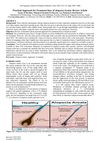
 The conclusion is that emotional support and a variety of treatments are important for alopecia areata, but more research is needed.
 October 2022 in “The Egyptian Journal of Hospital Medicine”
 Topical corticosteroids are the preferred first treatment for children with Alopecia Areata.
May 2021 in “Biomedical Journal of Indonesia” Lupus hepatitis can affect male SLE patients and is treatable with specific medications.
December 2019 in “Saintika Medika” A woman with lupus also developed a severe skin condition linked to a genetic factor.
 April 2012 in “Informa Healthcare eBooks”
 Alopecia areata is a common autoimmune condition causing varying hair loss, diagnosed by specific patterns of inflammation around hair follicles, with several treatment options available.
 151 citations
,
July 2011 in “Archives of Dermatological Research”
151 citations
,
July 2011 in “Archives of Dermatological Research” Liposomal systems show promise for delivering drugs through the skin but face challenges like high costs and stability issues.
 141 citations
,
March 2011 in “Journal of Dermatology”
141 citations
,
March 2011 in “Journal of Dermatology” Eczema and fungal infections are the most common skin problems in Japan, with different age groups and genders affected by various conditions.
 130 citations
,
August 2020 in “Drug Design Development and Therapy”
130 citations
,
August 2020 in “Drug Design Development and Therapy” Nanoparticles can improve skin drug delivery but have challenges like toxicity and stability that need more research.
 117 citations
,
March 2013 in “Journal of the European Academy of Dermatology and Venereology”
117 citations
,
March 2013 in “Journal of the European Academy of Dermatology and Venereology” No effective treatment for frontal fibrosing alopecia was found, but oral 5-alpha-reductase inhibitors had the best response; for lichen planopilaris, topical corticosteroids were commonly used but had a high relapse rate.
 85 citations
,
October 2012 in “Dermatologic Clinics”
85 citations
,
October 2012 in “Dermatologic Clinics” Alopecia Areata is an autoimmune condition often starting before age 20, with varied treatment success and a need for personalized treatment plans.
 78 citations
,
February 2011 in “Canadian Medical Association Journal”
78 citations
,
February 2011 in “Canadian Medical Association Journal” Acne treatment varies, with topical and systemic therapies effective, and more research needed on treatment order and long-term effects.
 74 citations
,
September 1980 in “Medical Clinics of North America”
74 citations
,
September 1980 in “Medical Clinics of North America” Toxic epidermal necrolysis is a severe skin condition often caused by drugs, with complex treatment and a high risk of death, but survivors usually heal without scars.
 60 citations
,
March 2014 in “Veterinary dermatology”
60 citations
,
March 2014 in “Veterinary dermatology” Cats with atopic dermatitis often have severe, year-round itching and respond well to certain treatments.
 52 citations
,
February 1985 in “Archives of Dermatology”
52 citations
,
February 1985 in “Archives of Dermatology” Minoxidil absorbs poorly through skin, with low risk of side effects at 1-2% concentration.