5 citations
,
September 2020 in “Proceedings - Baylor University. Medical Center” Tofacitinib successfully treated a woman's severe symptoms from a rare autoimmune condition.
 3 citations
,
January 2019 in “Annals of dermatology/Annals of Dermatology”
3 citations
,
January 2019 in “Annals of dermatology/Annals of Dermatology” Hydroxychloroquine effectively treated twenty-nail dystrophy in a patient with alopecia areata.
 September 2015 in “Actas Dermo-Sifiliográficas”
 People with advanced chronic kidney disease often have skin problems, which can be treated with various medications and procedures to improve their quality of life.
 April 1963 in “Archives of Dermatology”
 Dermatological conditions are complex and treatments often have mixed results.
 April 2016 in “Journal of The American Academy of Dermatology”
 Finasteride effectively treated hidradenitis suppurativa.
 18 citations
,
March 1984 in “BMJ”
18 citations
,
March 1984 in “BMJ” Minoxidil helps hair regrowth in alopecia, but more research needed.
10 citations
,
October 1992 in “PubMed” Anti-phospholipid antibodies in SLE can cause thrombosis and bone necrosis.
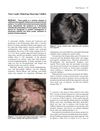 9 citations
,
October 2013 in “Pediatric dermatology”
9 citations
,
October 2013 in “Pediatric dermatology” Proper antifungal treatment is crucial to avoid misdiagnosis and prevent scarring alopecia.
3 citations
,
February 2021 in “Pediatric rheumatology online journal” A girl with lupus and trisomy X has a higher risk of bone problems like avascular necrosis and osteoporosis.
 3 citations
,
March 2020 in “International Journal of Dermatology”
3 citations
,
March 2020 in “International Journal of Dermatology” Tildrakizumab showed limited effectiveness in treating chronic alopecia areata in a small group of patients.
 April 2025 in “Current Rheumatology Reviews”
 Recognizing unusual symptoms can lead to early diagnosis and effective treatment of systemic lupus erythematosus.
 March 2025 in “International Journal of Scientific Research in Science and Technology”
 Early diagnosis and personalized treatment can lead to significant hair regrowth in children with alopecia areata.
 February 2025 in “Indian Dermatology Online Journal”
 Pincer nails are rare in lupus patients and may be managed conservatively.
 May 2022 in “Annals of the Rheumatic Diseases”
 It's unclear if COVID-19 vaccination causes SLE; more research is needed.
 117 citations
,
March 2013 in “Journal of the European Academy of Dermatology and Venereology”
117 citations
,
March 2013 in “Journal of the European Academy of Dermatology and Venereology” No effective treatment for frontal fibrosing alopecia was found, but oral 5-alpha-reductase inhibitors had the best response; for lichen planopilaris, topical corticosteroids were commonly used but had a high relapse rate.
 36 citations
,
December 2017 in “Journal of the American Academy of Dermatology”
36 citations
,
December 2017 in “Journal of the American Academy of Dermatology” Most patients with frontal fibrosing alopecia stabilized with treatment, especially younger ones, using intralesional corticosteroids and tacrolimus.
 13 citations
,
June 1984 in “Postgraduate Medicine”
13 citations
,
June 1984 in “Postgraduate Medicine” Pregnancy can cause various skin changes, including pigmentation, acne, and stretch marks, and may affect preexisting skin conditions.
 January 2019 in “Elsevier eBooks”
 Different hair disorders have specific treatments and outcomes, with some resolving on their own and others requiring medication or emotional support.
 August 2018 in “Journal of The American Academy of Dermatology”
 A 16-year-old girl's skin rash was likely caused by an infection and improved with topical steroids.
 2 citations
,
January 2021 in “Our Dermatology Online”
2 citations
,
January 2021 in “Our Dermatology Online” Alopecia areata is more common in young Black African males, with rare other health issues.
 October 2024 in “Journal of Education Health and Sport”
 Alopecia areata treatment should be personalized, using topical or systemic therapies based on severity, with promising options like JAK inhibitors needing more research.
 218 citations
,
April 2012 in “British Journal of Dermatology”
218 citations
,
April 2012 in “British Journal of Dermatology” Guidelines suggest various treatments for alopecia areata, but leaving it untreated is also an option as 80% cases may recover on their own.
 208 citations
,
July 2001 in “Journal of The American Academy of Dermatology”
208 citations
,
July 2001 in “Journal of The American Academy of Dermatology” Pregnancy can cause various skin changes and diseases, with PUPPP being the most common skin condition specific to pregnancy.
 122 citations
,
November 1984 in “Journal of the American Academy of Dermatology”
122 citations
,
November 1984 in “Journal of the American Academy of Dermatology” No single treatment is consistently effective for alopecia areata, and more research is needed.
 118 citations
,
April 1998 in “Dermatologic Clinics”
118 citations
,
April 1998 in “Dermatologic Clinics” Finasteride and minoxidil are effective for hair regrowth, while treatments for alopecia areata have varying success and continuous treatment is necessary.
 88 citations
,
January 2011 in “Annals of Dermatology”
88 citations
,
January 2011 in “Annals of Dermatology” The document concludes that specific itchy skin diseases during pregnancy have varying fetal risks and treatments, including corticosteroids and other medications.
 85 citations
,
October 2012 in “Dermatologic Clinics”
85 citations
,
October 2012 in “Dermatologic Clinics” Alopecia Areata is an autoimmune condition often starting before age 20, with varied treatment success and a need for personalized treatment plans.
 80 citations
,
November 1975 in “Acta dermato-venereologica”
80 citations
,
November 1975 in “Acta dermato-venereologica” Large doses of glucocorticoids are not suitable for general use in treating severe alopecia areata due to inconsistent results and risks.
 74 citations
,
September 1980 in “Medical Clinics of North America”
74 citations
,
September 1980 in “Medical Clinics of North America” Toxic epidermal necrolysis is a severe skin condition often caused by drugs, with complex treatment and a high risk of death, but survivors usually heal without scars.
 73 citations
,
March 2014 in “Journal of The American Academy of Dermatology”
73 citations
,
March 2014 in “Journal of The American Academy of Dermatology” Most dermatologic medications are safe during pregnancy and breastfeeding, but some should be avoided due to potential risks.