1 citations
,
November 2020 in “Cureus” Clinical signs of hyperandrogenism are related to female pattern hair loss severity, but biochemical markers are not.
November 2025 in “European Journal of Endocrinology” Hair steroid profiling is a feasible, non-invasive alternative to serum analysis for assessing hormone levels and metabolism.
 September 2025 in “Scientific periodicals of Ukraine”
 Metformin effectively reduces hormone levels in women with PCOS.
July 2025 in “International Journal of Biological Macromolecules” The microneedle patch boosts hair growth by reducing DHT and oxidative stress.
May 2025 in “Journal of the ASEAN Federation of Endocrine Societies” Postmenopausal women with unusual hair growth should be checked for ovarian tumors.
 May 2025 in “Egyptian Journal of Dermatology and Venerology”
 Certain gene changes and hormone levels are linked to female hair loss.
 March 2025 in “Archives of Dermatological Research”
 Early-onset hair loss in Egyptian males is linked to genetics, hormones, and lifestyle factors like smoking and diet.
 February 2025 in “Journal of Nanobiotechnology”
 A new treatment using microneedles with black phosphorus and laser helps regrow hair effectively and safely.
January 2025 in “Human Reproduction Open” 25% of premenopausal women with Type 1 diabetes have undiagnosed androgen excess disorders.
 December 2024 in “Journal of Biophotonics”
 Dual wavelength LEDs may help reduce hair loss by lowering DHT levels.
September 2024 in “Journal of Ethnopharmacology” Terminalia bellirica extracts effectively promote hair regrowth and treat androgenetic alopecia.
 May 2024 in “Journal of cosmetic dermatology”
 Low HDL-C, uric acid, and 25-hydroxyvitamin D are risk factors for early-onset male hair loss.
 May 2024 in “Indian Journal of Dermatology”
 Androgenetic alopecia in men is genetic and linked to health issues like obesity and heart disease, with treatments including minoxidil, finasteride, and hair transplants.
January 2024 in “International journal of molecular sciences” A brain-made hormone can protect against memory-related brain damage caused by harmful proteins.
 October 2023 in “Journal of Preventive Diagnostic and Treatment Strategies in Medicine”
 Low ferritin and Vitamin D levels may cause hair loss after COVID-19.
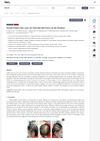
Different genes cause Female Pattern Hair Loss compared to male hair loss, and treatments vary, but more research is needed to understand it fully.
 February 2023 in “Vaccines”
 COVID-19 may harm male reproductive health and lower testosterone levels, potentially affecting fertility and causing erectile dysfunction. More research is needed.
 November 2022 in “International Journal of General Medicine”
 Women with Polycystic Ovary Syndrome are more likely to have Non-Alcoholic Fatty Pancreas Disease, which is associated with older age, metabolic syndrome, insulin resistance, and high male hormone levels.
 February 2022 in “Mediators of Inflammation”
 Women with Polycystic Ovary Syndrome (PCOS) have lower levels of a substance called DIAPH1 in their blood, which is linked to changes in sugar metabolism and insulin resistance.
January 2020 in “Case reports in endocrinology” Removing one ovary helped treat a woman's severe PCOS symptoms when medicine didn't work.
 January 2018 in “Journal of translational science”
 Eating alfalfa sprouts every day can raise testosterone levels in middle-aged men, but broccoli sprouts don't have this effect.

The conclusion is that there's a link between high testosterone levels, insulin resistance, and certain skin conditions, regardless of obesity.

Alopecia areata, a type of hair loss, may be passed through T cells and has genetic links, while treatments vary in effectiveness. Male pattern baldness can be treated with finasteride and is influenced by androgens in hair follicles.
 September 2023 in “Gynäkologische Endokrinologie”
 Menopause causes skin and hair to become drier and thinner, but hormone therapy can improve these conditions.
3 citations
,
May 2024 in “Frontiers in Physiology” Sex hormone supplements help improve breathing and nerve recovery after spinal injury in rats.
 1 citations
,
October 2022 in “Adolescent Health, Medicine and Therapeutics”
1 citations
,
October 2022 in “Adolescent Health, Medicine and Therapeutics” Gender-affirming therapy can cause skin issues like acne and hair loss in transgender adolescents, and more research is needed on its dermatological effects.

Certain drugs can worsen hair loss in people prone to androgenetic alopecia.
 55 citations
,
May 2019 in “Journal of Endocrinology”
55 citations
,
May 2019 in “Journal of Endocrinology” Androgens are important for female fertility and could help in IVF treatment, but also play a role in causing PCOS.
 September 2025 in “Deleted Journal”
 Blocking androgen receptors boosts macrophages' ability to clear certain bacteria.
254 citations
,
March 2023 in “Diagnostics” The guidelines suggest reconsidering PCOS criteria for better diagnosis and care.