 1 citations
,
May 2022 in “Frontiers in Pharmacology”
1 citations
,
May 2022 in “Frontiers in Pharmacology” Astilbin can potentially calm overactive immune responses, like in Type 1 Diabetes, by suppressing certain cell activities and reducing inflammation.

Regulatory T cells enhance bone formation by influencing cell mechanics.
November 2023 in “Journal of Investigative Dermatology” Different types of hair loss have unique cellular changes, suggesting new treatment targets.
 May 2022 in “Liver transplantation”
 The document explains how the immune system reacts to organ transplants and the treatments used to prevent rejection.
July 2024 in “Journal of Investigative Dermatology” OR101 may effectively treat atopic dermatitis and similar skin conditions.
5 citations
,
September 2022 in “Frontiers in Nutrition” Gut bacteria differences may help diagnose and treat Alopecia areata.
July 2024 in “Journal of Investigative Dermatology” ITK inhibitors may effectively treat alopecia areata.
December 2023 in “JAAD Case Reports” Intralesional corticosteroids effectively treat localized alopecia areata, often sparing white hairs.
112 citations
,
January 2013 in “Experimental dermatology” Faulty Notch signalling may cause hair follicle changes and inflammation in hidradenitis suppurativa.
 October 2023 in “International journal of rheumatic diseases”
 New treatments targeting the JAK signaling pathway, especially JAK inhibitors, show promise for alopecia areata.
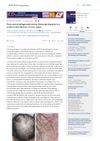 March 2023 in “Journal of Cosmetic Dermatology”
 A woman's progressive hair loss was correctly diagnosed as a rare condition called fibrosing alopecia in a pattern distribution after initially being mistaken for a more common type.
Different types of sun exposure damage skin cells and immune cells, with chronic exposure leading to more severe and lasting damage.
132 citations
,
April 2005 in “Gastroenterology” A gluten-free diet significantly improves skin and health issues in people with dermatitis herpetiformis, a skin condition linked to celiac disease.
 January 2025 in “Clinical Cosmetic and Investigational Dermatology”
 Pediatric alopecia areata is more immune-active than adult cases, suggesting age-specific treatments and potential use of JAK inhibitors.
 1 citations
,
June 2022 in “The Egyptian Journal of Hospital Medicine”
1 citations
,
June 2022 in “The Egyptian Journal of Hospital Medicine” Understanding the genetics of alopecia areata could lead to better treatments.
51 citations
,
August 2013 in “The Journal of experimental medicine/The journal of experimental medicine” Loss of a specific protein in skin cells causes symptoms similar to psoriasis.
42 citations
,
April 2021 in “JCI insight” Blocking JAK3 signaling can reverse hair loss from alopecia areata.
7 citations
,
January 2022 in “Biomedicines” Cells from the lower part of hair follicles are a promising, less invasive option for immune system therapies.
Alopecia Areata is treated with drugs and therapies to reduce inflammation and immune response.
15 citations
,
June 2015 in “F1000Research” Psoriasis may be chronic because it lacks certain immune system controls that prevent overreaction.
 54 citations
,
January 2023 in “Signal Transduction and Targeted Therapy”
54 citations
,
January 2023 in “Signal Transduction and Targeted Therapy” New therapies are being developed that target integrin pathways to treat various diseases.
23 citations
,
February 2015 in “The American journal of pathology” Keratosis pilaris is often linked to genetic mutations and causes skin and hair abnormalities, regardless of those mutations.
 March 2025 in “Ukrainian Journal of Dermatology Venerology Cosmetology”
 Alopecia areata may be treated by targeting immune system imbalances.
15 citations
,
May 1999 in “Journal of Investigative Dermatology” Alopecia areata is complex, with genetic and immune factors, and animal models are key for future treatment research.
1 citations
,
March 2024 in “International journal of molecular sciences” Radiation therapy damages skin structure and immune function, causing inflammation and potential hair loss.
April 2018 in “Veterinary Pathology” Tigers had a skin condition causing hair loss and inflammation, but the cause is unknown and treatment didn't work.
Perilla seed extract may help prevent hair loss better than some standard treatments.
39 citations
,
April 2019 in “The journal of immunology/The Journal of immunology” Malt1 protease is essential for regulatory T cell function and could be targeted to boost antitumor immunity.
4 citations
,
June 2025 in “Cell Reports” Clonally expanded CD8+ T cells cause alopecia areata.
 14 citations
,
June 2017 in “Immunity”
14 citations
,
June 2017 in “Immunity” Special immune cells called Treg cells are important for maintaining and regenerating hair by activating a specific growth signal in hair stem cells.