 1 citations
,
April 2019 in “The journal of investigative dermatology/Journal of investigative dermatology”
1 citations
,
April 2019 in “The journal of investigative dermatology/Journal of investigative dermatology” Melanocyte-associated antigens may play a key role in alopecia areata and could be targets for new treatments.
 April 2024 in “The Journal of experimental medicine/The journal of experimental medicine”
 Treg cells help repair and regenerate tissues by interacting with local cells.
 October 2015 in “Elsevier eBooks”
 Aldesleukin can treat certain cancers and increase HIV patient CD4+ counts but often causes severe side effects.
 359 citations
,
January 2015 in “Cold Spring Harbor Perspectives in Medicine”
359 citations
,
January 2015 in “Cold Spring Harbor Perspectives in Medicine” Hair growth phase and certain genes can speed up wound healing, while an inflammatory mediator can slow down new hair growth after a wound. Understanding these factors can improve tissue regeneration during wound healing.
 76 citations
,
March 2005 in “Journal of Molecular Medicine”
76 citations
,
March 2005 in “Journal of Molecular Medicine” Certain mice without specific receptors or mast cells don't lose hair from stress.
 57 citations
,
April 2019 in “British journal of dermatology/British journal of dermatology, Supplement”
57 citations
,
April 2019 in “British journal of dermatology/British journal of dermatology, Supplement” Alopecia areata involves immune system imbalances that may lead to depression and anxiety.
 23 citations
,
April 2021 in “Journal of Clinical Medicine”
23 citations
,
April 2021 in “Journal of Clinical Medicine” Frontal Fibrosing Alopecia's cause is unclear, affects mainly postmenopausal women, and current treatments focus on stopping hair loss rather than regrowth.
 8 citations
,
August 1997 in “Australasian Journal of Dermatology”
8 citations
,
August 1997 in “Australasian Journal of Dermatology” Most HIV patients develop skin symptoms that can indicate the stage of their disease.
 5 citations
,
January 2022 in “PloS one”
5 citations
,
January 2022 in “PloS one” Deleting the p63 gene in certain cells causes problems in thymus development and severe hair loss in mice.
2 citations
,
April 2025 in “Journal of Investigative Dermatology” T cells affect skin cell genes in inflammatory diseases, and therapy can normalize these changes.
 1 citations
,
July 2012 in “British Journal of Dermatology”
1 citations
,
July 2012 in “British Journal of Dermatology” New treatments and management strategies for skin conditions like melanoma and Spitz naevi were discussed at the dermatologists' meeting.
Female pattern hair loss, common in women, can be treated with various methods like minoxidil, anti-androgen treatments, and light therapy, but early intervention and realistic expectations are crucial.
 31 citations
,
January 2011 in “Dermato-endocrinology”
31 citations
,
January 2011 in “Dermato-endocrinology” Melatonin protects skin against UV damage by regulating various cellular processes.
 2 citations
,
August 2019 in “BMC Complementary and Alternative Medicine”
2 citations
,
August 2019 in “BMC Complementary and Alternative Medicine” Asiasari radix extract may be a potential treatment for melanoma because it selectively triggers cell death in melanoma cells by affecting p53 regulation.
 September 2022 in “Institutional Repositories DataBase (IRDB)”
 3D-oxy exosomes may significantly boost hair growth, offering new treatment options for hair loss.
289 citations
,
May 2003 in “Journal of Investigative Dermatology” Human skin can produce steroids from cholesterol.
 18 citations
,
December 2021 in “Journal of Nanobiotechnology”
18 citations
,
December 2021 in “Journal of Nanobiotechnology” The nanofibers effectively treated infected diabetic wounds by killing bacteria and aiding wound healing without toxicity.
 12 citations
,
July 2020 in “Aging”
12 citations
,
July 2020 in “Aging” The protein EZH2 blocks microRNA-22, increasing STK40 protein, which helps hair follicle stem cells change and grow hair.
 May 2025 in “Science Advances”
 PIEZO1 helps keep hair follicle stem cells inactive, affecting hair growth.
 April 2012 in “Informa Healthcare eBooks”
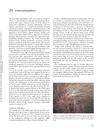
 Lichen planopilaris is a rare, chronic condition causing hair loss, mainly in middle-aged women, and early treatment is important to prevent permanent baldness.
July 2025 in “Cell & Bioscience” Specific immune cells and pathways contribute to hair follicle inflammation and hair loss, suggesting potential treatments for lichen planopilaris.
 9 citations
,
March 2022 in “Frontiers in Immunology”
9 citations
,
March 2022 in “Frontiers in Immunology” Foxp3+ Regulatory T Cells are important for immunity and tolerance, affect hair growth and wound healing, and their dysfunction can contribute to obesity-related diseases and other health issues.
 April 2024 in “bioRxiv (Cold Spring Harbor Laboratory)”
 GRK2 is essential for healthy hair follicle function, and its absence can lead to hair loss and cysts.
 56 citations
,
February 2010 in “PLOS ONE”
56 citations
,
February 2010 in “PLOS ONE” Blocking Wnt signaling in young mice causes thymus shrinkage and cell loss, but recovery is possible when the block is removed.
2 citations
,
July 2025 in “Frontiers in Veterinary Science” MicroRNAs and AI can improve cashmere goat hair quality and aid in hair disorder diagnosis.
 19 citations
,
January 2013 in “International journal of medical sciences”
19 citations
,
January 2013 in “International journal of medical sciences” Increasing Wnt5a in mice skin delays hair growth but doesn't stop it.
 March 2026 in “Biomolecules”
 MicroRNAs play a key role in controlling hair growth and quality in sheep and goats.
 April 2018 in “Journal of Investigative Dermatology”
 IL-9 increases skin cell movement but decreases their ability to invade, and this effect is controlled by cell contractility, not by MMPs.
 12 citations
,
June 2005 in “Journal of the European Academy of Dermatology and Venereology”
12 citations
,
June 2005 in “Journal of the European Academy of Dermatology and Venereology” A man with HIV developed skin and hair issues after starting HIV treatment, which improved with topical treatment.
45 citations
,
June 2018 in “Frontiers in immunology” MDSC-Exo can treat autoimmune alopecia areata and promote hair regrowth in mice.