June 2023 in “Deleted Journal” The document lists research on Pemetrexed and Cisplatin for lung cancer but doesn't give a final conclusion.
 106 citations
,
October 2016 in “Cell Stem Cell”
106 citations
,
October 2016 in “Cell Stem Cell” PDGFA/AKT signaling is important for the growth and maintenance of certain skin fat cells.
 55 citations
,
March 2015 in “Carcinogenesis”
55 citations
,
March 2015 in “Carcinogenesis” WNT10A helps esophageal cancer cells spread and keep renewing themselves.
 67 citations
,
January 2020 in “Cellular & Molecular Immunology/Cellular & molecular immunology”
67 citations
,
January 2020 in “Cellular & Molecular Immunology/Cellular & molecular immunology” Tissue-resident memory T cells can protect against infections and cancer but may also contribute to autoimmune diseases.
 14 citations
,
October 2015 in “PLoS ONE”
14 citations
,
October 2015 in “PLoS ONE” Keratin 14 is uniquely found in a specific group of placental cells.
 January 2012 in “heiDOK (Heidelberg University)”
 Dormant melanoma cells in mice interact minimally with memory T cells due to a suppressive tumor environment.
 11 citations
,
September 2020 in “OncoTargets and Therapy”
11 citations
,
September 2020 in “OncoTargets and Therapy” Dihydrotestosterone increases growth and spread of human brain cancer cells, and blocking its formation might help treat this cancer.

Certain plasma proteins and genes are linked to obstructive sleep apnea, suggesting potential new treatments.
20 citations
,
March 1990 in “Archives of Dermatology” Nonimmunosuppressive cyclosporines might treat skin diseases by affecting cell growth.
30 citations
,
February 2023 in “Journal of Investigative Dermatology” OX40-targeted therapies may help treat skin diseases by reducing inflammation and balancing immune responses.
 5 citations
,
August 2020 in “Stem Cell Research & Therapy”
5 citations
,
August 2020 in “Stem Cell Research & Therapy” Using fat-derived stem cells with the drug meglumine antimoniate can help control skin disease and reduce parasites in mice with leishmaniasis.
January 2026 in “Journal of Investigative Dermatology” Special cells can help regrow hair in alopecia areata.
71 citations
,
May 2019 in “Rheumatology” Tph cells are linked to the severity of systemic lupus erythematosus.
 11 citations
,
June 2012 in “Journal of Dermatological Science”
11 citations
,
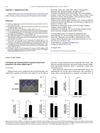
June 2012 in “Journal of Dermatological Science” Scientists identified a group of human skin cells with high growth and regeneration potential.
September 2019 in “Journal of Investigative Dermatology” IL-17 and certain immune cells are linked to more severe alopecia areata.
 2 citations
,
December 2023 in “Advanced science”
2 citations
,
December 2023 in “Advanced science” Glycosaminoglycans help heal wounds but aren't yet ready for clinical use.
April 2021 in “Journal of Investigative Dermatology” Arg1+ macrophages may play a role in causing alopecia areata.
20 citations
,
February 2004 in “Clinical & Experimental Immunology” SADBE treatment led to complete hair regrowth in mice with alopecia areata by altering immune cell movement.
 February 2025 in “International Journal of Molecular Sciences”
 RIPK1 inhibitors may help prevent alopecia areata by reducing immune cell activity.
 December 2012 in “Journal of dermatological science”
 Hair follicles help attract immune cells to minor skin injuries.
March 2014 in “The Journal of Urology” Finasteride increases CD8+ T cells in BPH tissues.
 11 citations
,
August 2020 in “Diabetes”
11 citations
,
August 2020 in “Diabetes” Testosterone helps human pancreatic cells increase insulin release.
21 citations
,
December 2005 in “The journal of investigative dermatology/Journal of investigative dermatology” T-cells in alopecia areata scalp show abnormal regulation, leading to less inflammation.
72 citations
,
November 2017 in “Journal of developmental biology” The Hedgehog signaling pathway is important for skin and hair growth and can lead to cancer if it doesn't work right.
 December 2021 in “Research Square (Research Square)”
 M-CSF-stimulated myeloid cells can cause alopecia areata in mice.

Ovol2 is crucial for hair growth and skin healing by controlling cell movement and growth.
 April 2018 in “The journal of investigative dermatology/Journal of investigative dermatology”
 Skin heals with scars because only one type of fibroblast is used, not a mix.
 147 citations
,
November 2020 in “International Journal of Molecular Sciences”
147 citations
,
November 2020 in “International Journal of Molecular Sciences” Keratinocytes help heal skin wounds by interacting with immune cells and producing substances that kill pathogens.
 306 citations
,
April 2019 in “International Journal of Molecular Sciences”
306 citations
,
April 2019 in “International Journal of Molecular Sciences” The skin has a complex immune system that is essential for protection and healing, requiring more research for better wound treatment.
 60 citations
,
September 2015 in “Expert Review of Clinical Immunology”
60 citations
,
September 2015 in “Expert Review of Clinical Immunology” Lymphocytes, especially CD8+ T cells, play a key role in causing alopecia areata, and targeting them may lead to new treatments.