 174 citations
,
November 2016 in “Cell stem cell”
174 citations
,
November 2016 in “Cell stem cell” Different types of skin cells have unique genetic markers that affect how likely they are to spread cancer.
 173 citations
,
January 2014 in “Nature Cell Biology”
173 citations
,
January 2014 in “Nature Cell Biology” Wnt signaling controls whether hair follicle stem cells stay inactive or regenerate hair.
 150 citations
,
December 2012 in “EMBO Reports”
150 citations
,
December 2012 in “EMBO Reports” Stem cell self-renewal is complex and needs more research for full understanding.
 129 citations
,
May 2015 in “Cell Stem Cell”
129 citations
,
May 2015 in “Cell Stem Cell” Different types of stem cells exist within individual skin layers, and they can adapt to damage, transplantation, or tumor growth. These cells are regulated by their environment and genetic factors. Tumor growth is driven by expanding, genetically altered cells, not long-lived mutant stem cells. There's evidence of cancer stem cells in skin tumors. Other cells, bacteria, and genetic factors help maintain balance and contribute to disease progression. A method for growing mini organs from single cells has been developed.
 95 citations
,
July 2010 in “Genes & development”
95 citations
,
July 2010 in “Genes & development” Notch/CSL signaling controls hair follicle differentiation through Wnt5a and FoxN1.
 88 citations
,
December 2018 in “Advanced Healthcare Materials”
88 citations
,
December 2018 in “Advanced Healthcare Materials” Layer-by-Layer self-assembly is promising for biomedical uses like tissue engineering and cell therapy, but challenges remain in material safety and process optimization.
 83 citations
,
June 2018 in “Frontiers in immunology”
83 citations
,
June 2018 in “Frontiers in immunology” Certain types of T cells are essential for healthy skin and play a role in skin diseases, but more research is needed to improve treatments.
 81 citations
,
September 2005 in “The American journal of pathology”
81 citations
,
September 2005 in “The American journal of pathology” Activin helps skin growth and healing mainly through stromal cells and affects keratinocytes based on its amount.
 76 citations
,
June 2018 in “EMBO Reports”
76 citations
,
June 2018 in “EMBO Reports” YAP and TAZ proteins are necessary for the development of two types of skin cancer.
 75 citations
,
October 2016 in “Genes & Development”
75 citations
,
October 2016 in “Genes & Development” Cells in hair follicles help create fat cells in the skin by releasing a protein called Sonic Hedgehog.
 73 citations
,
April 2013 in “Stem cells”
73 citations
,
April 2013 in “Stem cells” LGR5 helps maintain corneal cell characteristics and prevents unwanted changes by controlling specific cell signaling pathways.
 72 citations
,
November 2012 in “PloS one”
72 citations
,
November 2012 in “PloS one” The protein folliculin, involved in a rare disease, works with another protein to control how cells stick together and their organization, and changes in this interaction can lead to disease symptoms.
 71 citations
,
September 2006 in “Cell Transplantation”
71 citations
,
September 2006 in “Cell Transplantation” Fetal skin cells from a cell bank heal wounds faster and with less scarring than adult cells.
 66 citations
,
March 2019 in “Cellular and Molecular Life Sciences”
66 citations
,
March 2019 in “Cellular and Molecular Life Sciences” Melanocyte development from neural crest cells is complex and influenced by many factors, and better understanding could help treat skin disorders.
 66 citations
,
July 2015 in “Journal of Molecular Biology”
66 citations
,
July 2015 in “Journal of Molecular Biology” The document concludes that for hair and feather growth, it's better to target the environment around stem cells than the cells themselves.
 66 citations
,
February 2015 in “Cell & tissue research/Cell and tissue research”
66 citations
,
February 2015 in “Cell & tissue research/Cell and tissue research” The document concludes that there are no effective clinical treatments for hearing loss due to hair cell damage, but research is ongoing.
 62 citations
,
November 2009 in “Aging Cell”
62 citations
,
November 2009 in “Aging Cell” Hedgehog signaling helps keep hair follicle stem cells the same in both young and old human skin.
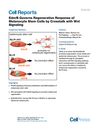 59 citations
,
April 2016 in “Cell Reports”
59 citations
,
April 2016 in “Cell Reports” EdnrB signaling helps melanocyte stem cells regenerate and could be targeted to treat pigmentation issues.
 53 citations
,
August 2019 in “American journal of human genetics”
53 citations
,
August 2019 in “American journal of human genetics” FOXN1 gene variants cause low T cells and immune issues from birth.
 50 citations
,
December 2013 in “Stem Cells”
50 citations
,
December 2013 in “Stem Cells” Stem cell niches are adaptable and key for tissue maintenance and repair.
 42 citations
,
May 2016 in “Annual Review of Cell and Developmental Biology”
42 citations
,
May 2016 in “Annual Review of Cell and Developmental Biology” Fat cells are important for tissue repair and stem cell support in various body parts.
 40 citations
,
January 2009 in “Skin Pharmacology and Physiology”
40 citations
,
January 2009 in “Skin Pharmacology and Physiology” Fetal cells could improve skin repair with minimal scarring and are a potential ready-to-use solution for tissue engineering.
 39 citations
,
August 2022 in “Cell Death and Disease”
39 citations
,
August 2022 in “Cell Death and Disease” DA-MeHA hydrogel effectively aids stem cell-based skin regeneration.
 39 citations
,
March 2008 in “Journal of biological chemistry/The Journal of biological chemistry”
39 citations
,
March 2008 in “Journal of biological chemistry/The Journal of biological chemistry” GLI2 increases follistatin production in human skin cells.
 38 citations
,
January 2016 in “Cell Death and Disease”
38 citations
,
January 2016 in “Cell Death and Disease” The TCL1 transgenic mouse model is useful for understanding human B-cell leukemia and testing new treatments.
 38 citations
,
January 2006 in “Journal of Cellular Biochemistry”
38 citations
,
January 2006 in “Journal of Cellular Biochemistry” Researchers isolated a new type of stem cell from mouse skin that can renew itself and turn into multiple cell types.
 36 citations
,
September 2013 in “PLoS ONE”
36 citations
,
September 2013 in “PLoS ONE” Sweat gland stem cells help maintain glands, aid wound healing, and can regenerate skin structures.
 34 citations
,
July 2020 in “Frontiers in immunology”
34 citations
,
July 2020 in “Frontiers in immunology” Androgens may influence T cells, contributing to higher autoimmune liver disease risk in women.
 34 citations
,
April 2018 in “EMBO journal”
34 citations
,
April 2018 in “EMBO journal” The protein SLC1A3 is important for activating skin stem cells and is necessary for normal hair and skin growth in mice.
 34 citations
,
July 2009 in “Journal of Cell Science”
34 citations
,
July 2009 in “Journal of Cell Science” ΔNp63α helps control a protein that stops cancer cells from spreading.