 2 citations
,
April 2022 in “Cutaneous and Ocular Toxicology”
2 citations
,
April 2022 in “Cutaneous and Ocular Toxicology” Tofacitinib may help treat hair loss in children with alopecia areata.
 April 2023 in “Journal of Investigative Dermatology”
 Terminalia chebula fruit extract has strong anti-aging and antioxidant effects.
March 2023 in “Reactions Weekly”  3 citations
,
August 2020 in “Case Reports in Dermatology”
3 citations
,
August 2020 in “Case Reports in Dermatology” Tofacitinib treatment significantly improved a patient's psoriasis, psoriatic arthritis, and alopecia universalis.
April 2025 in “Indian Journal of Paediatric Dermatology” Trichorrhexis invaginata can occur with tinea capitis, though it's rare.
 May 2024 in “International Journal of Science and Research (IJSR)”
 Tankan Bhasma mixed with coconut oil effectively reduced dandruff and improved scalp health.
188 citations
,
October 2014 in “Thyroid” Dabrafenib was effective and well tolerated in treating thyroid cancer with a specific mutation.
 September 2023 in “Acta dermato-venereologica”
 Tofacitinib is a safe and effective treatment for hair loss in children with Alopecia Areata.
1 citations
,
January 2024 in “Arab Board Medical Journal” Tofacitinib effectively regrows hair in alopecia areata patients, especially in younger individuals, with manageable side effects.
 11 citations
,
February 2021 in “Journal of Cosmetic Dermatology”
11 citations
,
February 2021 in “Journal of Cosmetic Dermatology” Oral tofacitinib helped regrow hair in over half of the patients with severe alopecia, but relapses and side effects were common.
March 2025 in “Journal of Investigative Dermatology” January 2013 in “วารสารเภสัชศาสตร์อีสาน (Isan Journal of Pharmaceutical Sciences, IJPS)” Carthamus tinctorius floret extract is a safe hair growth promoter with good skin absorption.
 January 2020 in “Przegla̧d dermatologiczny”
 A 5-year-old boy was diagnosed with congenital triangular alopecia, a type of hair loss without skin changes, usually starting between ages 2-5, with no specific treatment.
27 citations
,
July 1993 in “The journal of investigative dermatology/Journal of investigative dermatology”  1 citations
,
January 2020 in “Indian Dermatology Online Journal”
1 citations
,
January 2020 in “Indian Dermatology Online Journal” Pigtail hair is a sign of new hair growth and should be recognized in hair loss conditions like acute telogen effluvium.
17 citations
,
September 2009 in “British Journal of Dermatology” Fragile hair in children is rarely linked to trichothiodystrophy (TTD).
 5 citations
,
November 2012 in “Actas Dermo-Sifiliográficas”
5 citations
,
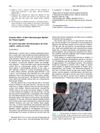
November 2012 in “Actas Dermo-Sifiliográficas” Comma hairs are a new sign for identifying scalp fungal infections.
6 citations
,
September 2023 in “Medicine” Nonpharmaceutical Traditional Chinese Medicine therapies for rheumatoid arthritis have been increasingly researched over the past 20 years.
 14 citations
,
July 2012 in “Journal of the American Academy of Dermatology”
14 citations
,
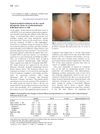
July 2012 in “Journal of the American Academy of Dermatology” Topical tacalcitol ointment can help improve symptoms of EFFC.
 41 citations
,
December 2015 in “JAMA Dermatology”
41 citations
,
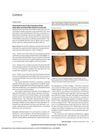
December 2015 in “JAMA Dermatology” Tofacitinib citrate improved nail dystrophy and pain in patients with alopecia universalis without causing side effects.
3 citations
,
January 2018 in “Skin Appendage Disorders” Nail issues are common in alopecia areata patients.
10 citations
,
March 2010 in “Journal of Food Biochemistry” Tamarind seed coats have strong antioxidant properties and could be used in health products and food preservatives.
 November 2023 in “Journal of Cosmetic Dermatology”
 Tofacitinib is effective and has minor, reversible side effects for treating severe hair loss in Iran.
1 citations
,
September 2024 in “Animals” Specific gene variants affect wool traits in Chinese Tan sheep.
September 2009 in “Encyclopedia of Life Sciences” The KRTAP gene family helps understand hair evolution and hair disorders.
June 2026 in “Khyber Journal Of Medical Sciences” Tofacitinib works better than methotrexate for severe alopecia in the short term.
61 citations
,
January 1970 in “Toxicology and Applied Pharmacology”  7 citations
,
May 2018 in “Indian Journal of Pharmacology”
7 citations
,
May 2018 in “Indian Journal of Pharmacology” Algerian Carthamus caeruleus L plant has anti-inflammatory properties, heals wounds effectively, and may help with hair growth.
 28 citations
,
July 2007 in “Development”
28 citations
,
July 2007 in “Development” TAF4 is important for skin cell growth and helps prevent skin cancer in mice.