68 citations
,
August 2009 in “American Journal of Medical Genetics Part A” A new classification for trichothiodystrophy helps identify genetic causes and potential treatments.
April 2019 in “The journal of investigative dermatology/Journal of investigative dermatology” Disrupting the Tsc2 gene in certain cells leads to thicker skin, larger hair, and changes in hair growth signaling, which can be partly reversed with specific treatment.
1 citations
,
May 2025 in “The Journal of Dermatology” Increased regulatory T cell activity may lead to better outcomes in acute diffuse and total alopecia.
 5 citations
,
January 2021 in “Inflammatory Bowel Diseases”
5 citations
,
January 2021 in “Inflammatory Bowel Diseases” Tofacitinib improved ulcerative colitis, skin ulcers, and hair loss in a patient who didn't respond well to other treatments.
 118 citations
,
October 2013 in “Trends in Genetics”
118 citations
,
October 2013 in “Trends in Genetics” The AUTS2 gene is linked to neurological disorders and may affect human brain development and cognition.
 5 citations
,
November 2020 in “Frontiers in Cell and Developmental Biology”
5 citations
,
November 2020 in “Frontiers in Cell and Developmental Biology” The "Two-Cell Assemblage" assay is a new, simple method to identify substances that may promote hair growth.
14 citations
,
February 1991 in “FEBS Letters” Introducing the rat OTC gene partially corrected OTC deficiency in mice.
1 citations
,
June 1999 in “American Journal of Contact Dermatitis” Tazarotene gel is more effective for acne than tretinoin and works as well as adapalene.
1 citations
,
May 2024 in “Communications Biology” Dab2 protein is crucial for hair follicle stem cell renewal and preventing early aging.
 64 citations
,
November 2008 in “Journal of The American Academy of Dermatology”
64 citations
,
November 2008 in “Journal of The American Academy of Dermatology” A new type of rapid hair loss called ADTA usually gets better on its own within 6 months.
 48 citations
,
November 2017 in “Journal of the American Academy of Dermatology”
48 citations
,
November 2017 in “Journal of the American Academy of Dermatology” Tofacitinib 2% ointment helped hair regrow in 3 out of 10 patients with alopecia areata, but caused side effects like scalp irritation and raised cholesterol in some.
 March 2020 in “Section 5: Patient safety and quality assurance”
 Tofacitinib and baricitinib had an acceptable level of side effects in rheumatoid arthritis patients.
April 2021 in “Journal of Investigative Dermatology” A deep learning model was developed to help diagnose trichothiodystrophy by analyzing hair patterns.
 May 2026 in “Indian Journal of Dermatology”
 Tofacitinib shows promise for treating alopecia areata with significant hair regrowth and mild side effects.
1 citations
,
January 2010 in “uO Research (University of Ottawa)” Atrazine and finasteride disrupt hormone signaling and affect frog development.
5 citations
,
February 2003 in “American Journal of Medical Genetics Part A” A chromosomal change may cause ectodermal dysplasia and developmental issues in a child.
83 citations
,
January 2023 in “Development” Hox genes are crucial for development and tissue maintenance, affecting structures and functions throughout life.
23 citations
,
March 2023 in “eLife” Stem cell differentiation involves gradual chromatin changes and dynamic gene activity.
12 citations
,
May 2021 in “The journal of investigative dermatology/Journal of investigative dermatology” Laminin 332 is essential for normal skin cell behavior and structure.
7 citations
,
January 2020 in “The journal of investigative dermatology/Journal of investigative dermatology” NIPP1 is important for healthy skin and could help treat skin inflammation.
 4 citations
,
August 2023 in “Materials”
4 citations
,
August 2023 in “Materials” New synthetic polymers help improve skin wound healing and can be enhanced by adding natural materials and medicines.
 March 2026 in “Frontiers in Cell and Developmental Biology”
 Understanding how certain proteins and genetic changes control skin stem cells is key to treating skin diseases.
January 2026 in “Immunological Reviews” Females generally have stronger immune responses than males due to the X chromosome.
December 2025 in “Journal of Cell Communication and Signaling” Vitamin D receptor is crucial for hair health and may help treat hair loss.
 January 2020 in “Przegla̧d dermatologiczny”
 A 5-year-old boy was diagnosed with congenital triangular alopecia, a type of hair loss without skin changes, usually starting between ages 2-5, with no specific treatment.
1 citations
,
April 2018 in “Journal of Investigative Dermatology” The Trichodysplasia spinulosa virus protein can cause abnormal hair growth in mice.
December 2022 in “Zenodo (CERN European Organization for Nuclear Research)” Tofacitinib effectively treated severe alopecia areata in a 14-year-old girl.
 21 citations
,
January 2005 in “Pediatric Dermatology”
21 citations
,
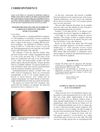
January 2005 in “Pediatric Dermatology” An 8-year-old girl with vitiligo developed extra hair growth on her knee after using tacrolimus ointment.
 17 citations
,
May 2011 in “Movement Disorders”
17 citations
,
May 2011 in “Movement Disorders” Finasteride significantly reduced tics and obsessive-compulsive symptoms in patients with Tourette syndrome.
 2 citations
,
October 2018 in “Archives of Dermatological Research”
2 citations
,
October 2018 in “Archives of Dermatological Research” Tofacitinib helps mice grow more hair by increasing noggin and BMP4 levels, possibly better than minoxidil.