 26 citations
,
May 2012 in “Cellular and Molecular Life Sciences”
26 citations
,
May 2012 in “Cellular and Molecular Life Sciences” NcoA4 may have roles beyond helping control gene activity, possibly affecting cell behavior and stability.
 January 2011 in “Side effects of drugs annual”
 Tretinoin gel is safe for sun exposure, but tacalcitol doesn't significantly improve non-segmental vitiligo.
3 citations
,
July 2022 in “Brain and Behavior” The HtrA1L364P mutation causes brain dysfunction and blood vessel damage.
 26 citations
,
July 2014 in “Analytical Chemistry Research”
26 citations
,
July 2014 in “Analytical Chemistry Research” Method can accurately measure five BPH drugs at once.
18 citations
,
June 2016 in “Brain Research” Increasing TSPO in the brain may help improve memory problems.
March 2005 in “European Urology Supplements” March 2026 in “Pediatric Dermatology” Generative AI tools can accurately score alopecia areata, reducing subjectivity in evaluations.
 1 citations
,
August 2022 in “JAAD case reports”
1 citations
,
August 2022 in “JAAD case reports” Tofacitinib and oral minoxidil may help treat Sisaipho alopecia areata.
 October 2025 in “Cermin Dunia Kedokteran”
 Early detection, prevention, and proper management can reduce TB-IRIS complications and deaths in HIV patients.
 4 citations
,
September 2020 in “PeerJ”
4 citations
,
September 2020 in “PeerJ” Platelet factor 4 slows down hair growth and could make hair loss treatments more effective if removed.
2 citations
,
January 2014 in “Journal of Cytology & Histology” Rapamycin and anti-EGFR antibody reduce LAM/TSC cell migration and blood vessel growth in the uterus.
14 citations
,
November 2024 in “International Journal of Molecular Sciences” YAP and TAZ proteins control skin cell growth and repair.
 1 citations
,
April 2017 in “Journal of Investigative Dermatology”
1 citations
,
April 2017 in “Journal of Investigative Dermatology” D-OCT shows increased blood vessel growth in response to tissue damage in Frontal Fibrosing Alopecia and is useful for diagnosis and monitoring.
April 2019 in “The journal of investigative dermatology/Journal of investigative dermatology” Disrupting the Tsc2 gene in certain cells leads to thicker skin, larger hair, and changes in hair growth signaling, which can be partly reversed with specific treatment.
 September 2023 in “International Journal of Applied Pharmaceutics”
 The formulated gel is a promising treatment for alopecia areata.
Introducing the OTC gene improved symptoms in mice with OTC deficiency.
 17 citations
,
May 2011 in “Movement Disorders”
17 citations
,
May 2011 in “Movement Disorders” Finasteride significantly reduced tics and obsessive-compulsive symptoms in patients with Tourette syndrome.
 7 citations
,
April 2013 in “Clinical and Experimental Dermatology”
7 citations
,
April 2013 in “Clinical and Experimental Dermatology” Tianeptine, an antidepressant, may prevent stress-induced hair loss in mice.
 June 2026 in “Research Square”
 THBS4 helps hair grow by activating hair follicle stem cells.
July 2025 in “Journal of Investigative Dermatology” Ritlecitinib reduces alopecia areata symptoms by blocking JAK3/TEC signaling and T-cell activity.
 30 citations
,
January 2014 in “Dermatologic Clinics”
30 citations
,
January 2014 in “Dermatologic Clinics” Tight hairstyles, especially on chemically treated hair, can cause reversible hair loss if caught early but may become permanent if not addressed.
 3 citations
,
October 2018 in “Experimental and Therapeutic Medicine”
3 citations
,
October 2018 in “Experimental and Therapeutic Medicine” Stopping tamsulosin one month before cataract surgery reduces eye surgery complications in rats.
18 citations
,
November 2016 in “Transgenic research” Overexpressing Tβ4 in cashmere goats improves hair fiber traits and increases cashmere yield.
42 citations
,
June 2019 in “Aging” 3,4,5-tri-O-caffeoylquinic acid promotes hair growth by activating the β-catenin pathway.
November 2024 in “African Journal of Biomedical Research” 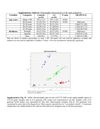 7 citations
,
July 2020 in “Immunological Investigations”
7 citations
,
July 2020 in “Immunological Investigations” The rs231775 genetic variant is linked to a higher risk and severity of Alopecia Areata in males.
 1 citations
,
January 2026 in “Dermatology Reports”
1 citations
,
January 2026 in “Dermatology Reports” Tildrakizumab may cause alopecia areata, but stopping it and using corticosteroids can regrow hair.
 March 2024 in “Journal of Evidence-Based Integrative Medicine”
 Teak leaf extract may effectively and safely promote hair growth in males with androgenic alopecia.
 39 citations
,
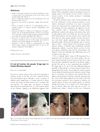
July 2015 in “British Journal of Dermatology”
39 citations
,
July 2015 in “British Journal of Dermatology” The pseudo 'fringe sign' can also appear in frontal fibrosing alopecia, not just in traction alopecia, showing that this condition may be more common than thought.
 13 citations
,
March 2020 in “Frontiers in cell and developmental biology”
13 citations
,
March 2020 in “Frontiers in cell and developmental biology” A substance called TCQA could potentially darken hair by activating certain genes and increasing melanin.