 May 2017 in “Journal of The American Academy of Dermatology”
 An intact skin barrier is crucial to prevent infection in cases of tether-induced tenosynovitis.
65 citations
,
April 2000 in “The Laryngoscope” Clotrimazole, miconazole, and tolnaftate are likely safe, but gentian violet is risky.
 March 2022 in “International Journal of Trichology”
 Tofacitinib may be effective for treating hair loss caused by alopecia areata that doesn't respond to other treatments.
 11 citations
,
May 2010 in “Annals of the Academy of Medicine Singapore”
11 citations
,
May 2010 in “Annals of the Academy of Medicine Singapore” Tinea capitis can cause scalp issues in children and should be considered in similar cases; treatment with griseofulvin and selenium sulfide is effective.
May 2019 in “Small Animal Dermatology” The dog had a good prognosis with proper treatment and cleaning.
 September 2023 in “Small animal advances”
 The kitten's skin infection was cured with medication in three weeks.
March 2022 in “Oncology Times” Tebentafusp-tebn improves survival rates in uveal melanoma patients but has common side effects like rash and fatigue.
 April 2014 in “Jurnal Biomedik : JBM”
 An 8-year-old girl had nail and hair issues that improved without specific treatment, but fungal nail infection was hard to cure.
2 citations
,
May 2024 in “International Journal of Dermatology”  January 2015 in “Journal of evolution of medical and dental sciences”
 Topical tacrolimus is effective and safe for treating alopecia areata.
 2 citations
,
April 2022 in “Cureus”
2 citations
,
April 2022 in “Cureus” A healthy woman got a chest abscess from a fungal infection after gallbladder surgery, which was treated but caused temporary hair loss due to the antifungal medication.
1 citations
,
December 2012 in “Clinical and Experimental Dermatology” A rare calcium deposit condition was found on a man's scalp.
April 1992 in “Pediatrics in Review” Quick, simple tests help diagnose children's skin fungal infections.
January 2011 in “Companion Animal” Dermatophytosis in cats is a contagious skin disease that requires treating the infected cat, other pets, and the environment.
September 2015 in “Journal watch” Triamcinolone acetonide injections help regrow hair in alopecia areata patients.
11 citations
,
March 2023 in “Marine Drugs” Compounds from Monascus purpureus showed mild antifungal effects.
 March 2024 in “Jordan Journal of Biological Sciences”
 The Pamona community uses 21 types of mushrooms for food, medicine, and other needs, highlighting the importance of conserving these resources.
8 citations
,
June 1981 in “Clinica Chimica Acta” 10 citations
,
January 1925 in “Archives of Dermatology” Trichostasis spinulosa is a rare skin condition with hair-filled plugs in hair follicles.
 June 2018 in “Reactions Weekly”
 A 65-year-old man developed a serious skin cancer linked to a drug he was taking for a fungal infection after a bone marrow transplant.
 4 citations
,
July 2012 in “Linguistic Annotation Workshop”
4 citations
,
July 2012 in “Linguistic Annotation Workshop” Root hairs in barley improve growth and zinc uptake in zinc-deficient soil.
Seborrheic dermatitis and dandruff are often treated with antifungal and anti-inflammatory medications, which can reduce symptoms and yeast growth on the scalp.
January 2023 in “Indian Dermatology Online Journal” Two newborns with rare skin infections were successfully treated with antifungal cream.
 72 citations
,
June 2013 in “Journal of feline medicine and surgery”
72 citations
,
June 2013 in “Journal of feline medicine and surgery” The document says to treat cat fungal infections with medicine and clean the environment, noting that cats without symptoms can still spread it to humans.
 4 citations
,
December 2013 in “International Journal of Dermatology”
4 citations
,
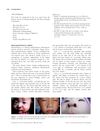
December 2013 in “International Journal of Dermatology” Three children with nasal fungal infections were successfully treated with potassium iodide and sometimes itraconazole.

Fusarium sp. strain K–23 helps Arabidopsis plants grow better in salty soil by boosting root hair growth.
16 citations
,
January 1995 in “Dermatology” The treatment for alopecia areata with diphenylcyclopropenone was unsuccessful.
32 citations
,
August 2016 in “Journal of the American Academy of Dermatology” Temporal triangular alopecia is a non-scarring hair loss in children, often linked to other health conditions.
 September 1995 in “American Journal of Contact Dermatitis”
 Antiyeast treatments work better for seborrheic dermatitis than steroids, and other findings include increased skin bacteria under plastic wrap, a nasal cell defect in Staphylococcus aureus carriers, quick resolution of certain skin reactions, high rubber latex allergy in spina bifida patients, and glyceryl monopentadecanoate's effectiveness for male hair loss.
 1 citations
,
April 2024 in “Veterinary Science and Medicine Journal”
1 citations
,
April 2024 in “Veterinary Science and Medicine Journal” The dog's skin condition improved with treatment, and prevention includes keeping it dry, clean, and away from stray dogs.