Search
for
Sort by
Research
600-630 / 1000+ results
research Combining 308-monochromatic excimer phototherapy with monthly IM triamcinolone acetonide for the treatment of resistant alopecia totalis
The combination therapy was effective and well-tolerated, especially in young patients.
research The clinicopathological spectrum of trichoepitheliomas: a retrospective descriptive study
Trichoepitheliomas can be hard to distinguish from other skin conditions and often start in teenage years.
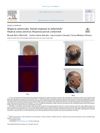
research Alopecia universalis. Partial response to tofacitinib
Tofacitinib partially improved hair regrowth in a patient with severe hair loss.
research Trichoscopy as a useful method to differentiate tinea capitis from alopecia areata in children at Zagazig University Hospitals
Trichoscopy is good for telling apart tinea capitis and alopecia areata in kids.
research Alopecia universalis unresponsive to treatment with tofacinitib: report of a case with a brief review of the literature
Tofacitinib helped psoriasis but not alopecia universalis, needing more research.
research Alfatradiol/minoxidil/trichofoam
research Tinea capitis: no incision nor excision
Surgery is not the right treatment for a fungal scalp infection; proper medical treatment is needed.
research Secondary Syphilis in Cali, Colombia: New Concepts in Disease Pathogenesis
Secondary syphilis in Cali, Colombia, shows high Treponema pallidum presence and challenges in early diagnosis, needing better public health strategies.
research Structure, Function and Application of Tremella Fuciformis Polysaccharide: A Review
Tremella fuciformis polysaccharide has many health benefits and potential uses in food, medicine, and cosmetics.
research Moth eaten alopecia as the only manifestation of syphilis: a case from Nepal
Moth-eaten hair loss can be a sign of syphilis.
research A tricky case of hair loss in a child: Trichoscopy saves the day
Trichoscopy helped diagnose and cure a child's hair loss caused by a fungal infection.
research 689 Efficacy of CD101, a novel echinocandin, in the treatment of dermatophytosis using a Guinea Pig (GP) Model
CD101 is highly effective in treating dermatophytosis in guinea pigs.
research Trichohyalin: A structural protein of hair, tongue, nail, and epidermis
research A retrospective study of oral tofacitinib therapy for alopecia areata
research Linkage of Monilethrix to the Trichocyte and Epithelial Keratin Gene Cluster on 12q11-q13
research Epidemiology, clinical features, and outcome of the hospitalized patients with Kerion in Fars Province, Iran: an eleven-year retrospective study
Kerion in Fars Province mainly affects boys under 11 linked to animal contact, with varied treatment outcomes.
research Targeted expression of SV40 T antigen in the hair follicle of transgenic mice produces an aberrant hair phenotype
SV40 T antigen in hair follicles causes abnormal hair and health issues in mice.
research Nonscalp hair infection caused by Microsporum canis in patient with acquired immunodeficiency syndrome

research Effectiveness and Safety Profile of Oral Tofacitinib in Alopecia Areata: An Observational Study from a Tertiary Hospital
Tofacitinib shows promise for treating alopecia areata with significant hair regrowth and mild side effects.

research Successful management of therapy-resistant chronic refractory atopic dermatitis and alopecia universalis with oral tofacitinib in a girl
Oral tofacitinib successfully treated a girl's severe skin and hair conditions.

research Alopesia Areata Dengan Pengobatan Triamcinolone Acetonide
Alopecia areata is the most common type of baldness treated with corticosteroids and minoxidil.
research Performance of Chlorhexidine and Ophytrium-Containing Shampoo and Mousse in Dogs with Cutaneous Yeast Imbalance
The treatment effectively reduces yeast and improves skin in dogs.
research Vesicle Formation and Follicular Root Sheath Separation in Mice Homozygous for Deleterious Alleles at the Balding (bal) Locus
A mutation in mice causes hair loss and skin issues due to a defect in a gene affecting cell adhesion.
research Onychodystrophy With Associated Polymicrobial Distal Phalanx Osteomyelitis
A woman's hair loss was caused by her husband's testosterone gel and a diabetic man's nail disease led to bone infection, both treated successfully.

research Efficacy of Oral Tofacitinib in Alopecia Areata, Alopecia Totalis, and Alopecia Universalis
Tofacitinib significantly regrows hair in severe alopecia without major side effects.
research Further Insights in Trichothiodistrophy: A Clinical, Microscopic, and Ultrastructural Study of 20 Cases and Literature Review
TTD symptoms vary widely, requiring thorough evaluations.
research Evaluation of dermatoscopic findings of alopecia areata and tinea capitis in pediatric patients
Dermatoscopy can quickly help distinguish between alopecia areata and tinea capitis in children.
research Clinicopathologic observation of temporal triangular alopecia
Temporal triangular alopecia usually starts in early childhood and treatment with Minoxidil has limited effectiveness.