January 2020 in “JAAD case reports” Systemic mastocytosis may cause a type of hair loss called cicatricial alopecia.
June 2026 in “Khyber Journal Of Medical Sciences” Tofacitinib works better than methotrexate for severe alopecia in the short term.
Melatonin improves tomato root growth and plant health at certain levels by affecting genes and hormones but can damage roots at high levels.
July 2025 in “Journal of Investigative Dermatology” Enhancing Tregs can protect against alopecia areata.
 November 2023 in “Journal of Cosmetic Dermatology”
 Tofacitinib is effective and has minor, reversible side effects for treating severe hair loss in Iran.
 June 2013 in “D-Scholarship@Pitt (University of Pittsburgh)”
 Patients should discuss complementary medicine use with doctors to improve health outcomes.
 December 2022 in “Frontiers in Pharmacology”
 Tianma Gouteng decoction may help prevent hair loss and promote hair growth.
 November 2021 in “CRC Press eBooks”
 Telogen effluvium is a common, temporary hair loss condition often affecting young women.
May 2025 in “OPAL (Open@LaTrobe) (La Trobe University)” Linoleic acid and magnesium are key in alopecia areata progression, and tofacitinib can help by affecting their pathway.
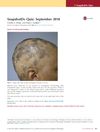 August 2018 in “Journal of Investigative Dermatology”
 Tofacitinib may help regrow hair in alopecia areata patients.
 September 2019 in “Asian Journal of Pharmaceutical and Clinical Research”
 Teak seed extract is safe and reduces pain in mice.
3 citations
,
March 2016 in “Practical radiation oncology” Total skin electron therapy is an effective treatment for mycosis fungoides, balancing effectiveness and side effects.
15 citations
,
August 2019 in “F1000Research” CMG2 and TEM8 receptors have distinct roles in skin and growth disorders, affecting collagen breakdown and growth.
 February 2025 in “Animals”
 Amino acid-complexed trace minerals improve hair quality and activity in senior dogs.
December 2023 in “bioRxiv (Cold Spring Harbor Laboratory)” Actin filaments help stabilize and integrate cell membranes during transfer.
January 2025 in “International Journal of Trichology” Trichotillomania can occur in unusual patterns and sites, highlighting the need for awareness and treatment options.
 December 2023 in “Portuguese journal of dermatology and venereology”
 Trichoscopy can reliably distinguish between alopecia areata and trichotillomania.
 May 2023 in “International Journal of Trichology”
 Tofacitinib may be an effective and safe treatment for hair loss in teenagers with alopecia areata.
 January 2013 in “Journal of The Korean Medical Association”
 The document's conclusion cannot be provided because the text is in Korean and cannot be parsed.
 March 2026 in “Journal of Personalized Medicine”
 Genetic differences affect breast cancer treatment success with tamoxifen in South African patients.
44 citations
,
November 2022 in “Frontiers in Immunology” TLR-targeted therapies show promise in cancer treatment by helping destroy tumors.
9 citations
,
January 2012 in “International journal of trichology” Trichostasis spinulosa can be diagnosed with a simple skin biopsy and treated with specific gels, but lesions may return after stopping treatment.
 December 2021 in “Research Square (Research Square)”
 Hair growth-promoting nutraceuticals do not block the cancer-fighting effects of tamoxifen and may enhance its action.
May 2005 in “Cancer Research” Melanoma cells lose their ability to form tumors when placed in a zebrafish embryo environment.
35 citations
,
November 2021 in “Journal of Animal Science and Biotechnology/Journal of animal science and biotechnology” DNA methylation changes in Tan sheep affect growth and fur traits.
 4 citations
,
July 2021 in “Cancer Research and Treatment”
4 citations
,
July 2021 in “Cancer Research and Treatment” Temozolomide improves survival in grade III glioma patients without harming quality of life.
 February 2024 in “Planta”
 TRM21 helps control flavonoid production and root hair growth in Arabidopsis thaliana.
91 citations
,
June 2011 in “The EMBO Journal” TCF/Lef1 activity is essential for proper skin cell development and renewal.
March 2021 in “World rabbit science” Adding 0.2% taurine to Angora rabbits' diet improves wool production and overall health.