August 2021 in “The journal of investigative dermatology/Journal of investigative dermatology” Hair growth supplements do not reduce the effectiveness of the breast cancer treatment tamoxifen.
20 citations
,
June 2003 in “Neurology” Tacrolimus and corticosteroids can improve symptoms of Satoyoshi syndrome.
 August 2019 in “Journal of Invertebrate Pathology”
 Thymosin beta 4 protects cells from damage by blocking a harmful microRNA and boosting a protective gene.
1 citations
,
October 2023 in “BMC Genomics” miRNAs in the Dlk1-Gtl2 region may improve lamb fur quality.
8 citations
,
March 2015 in “International Journal of Oncology” Tsc2-deficient stem cells can help understand and treat TSC-related tumors.
 11 citations
,
September 2011 in “Biochemical journal”
11 citations
,
September 2011 in “Biochemical journal” Neurotrophin-4 increases calcium current in specific mouse neurons through the PI3K pathway.
13 citations
,
January 2021 in “Journal of Cellular and Molecular Medicine” Thymosin β4 may boost hair growth by aiding stem cell movement and blood vessel formation.
1 citations
,
August 2024 in “GeroScience” December 2025 in “JURNAL ILMU KEDOKTERAN DAN KESEHATAN” Plum blossom acupuncture and electroacupuncture improved hair growth and quality of life in a woman with chronic hair loss.
 14 citations
,
January 2016 in “Experimental and molecular pathology”
14 citations
,
January 2016 in “Experimental and molecular pathology” Giving immune serum from vaccinated mice to mice without T cells prevents infection and tumor growth.
 September 2024 in “Skin Appendage Disorders”
 Tofacitinib helped a woman regrow her hair without relapses after other treatments failed.
 6 citations
,
April 1996 in “Journal of histochemistry and cytochemistry/The journal of histochemistry and cytochemistry”
6 citations
,
April 1996 in “Journal of histochemistry and cytochemistry/The journal of histochemistry and cytochemistry” TGF-alpha is present in sheep and ferret skin and may affect hair growth without directly stimulating cell proliferation.
 March 2026 in “Preprints.org”
 The MIRA technique improves cellulite treatment results and patient satisfaction.
990 citations
,
October 1999 in “Development” Activated LEF/TCF complexes are crucial for hair development and cycling.
 April 2025 in “Journal of Applied Cosmetology”
 The combined therapy of microneedling and light therapy effectively and safely promotes hair regrowth in trichotillomania.
 May 2024 in “Journal of cosmetic dermatology”
 Tofacitinib is an effective and safe treatment for alopecia areata.
May 2025 in “OPAL (Open@LaTrobe) (La Trobe University)” Linoleic acid and magnesium are key in alopecia areata progression, and tofacitinib can help by affecting their pathway.
 3 citations
,
August 2023 in “Drug safety”
3 citations
,
August 2023 in “Drug safety” Proactive monitoring and management are essential to maximize the benefits of Trastuzumab Deruxtecan while minimizing serious side effects.
Tumid lupus erythematosus can cause non-scarring hair loss on the scalp and requires careful diagnosis.
January 2015 in “INDONESIAN JOURNAL OF PHARMACY” A reliable method was developed to measure Tamsulosin and Finasteride in tablets accurately.
3 citations
,
September 2011 in “Daehan miyong hakoeji” Dansam-Samultang promotes hair growth and prevents hair loss.
 May 2022 in “European medical journal”
 An 11-year-old girl with a hair-pulling disorder had a hairball in her stomach and was treated with medication, therapy, and a team of doctors.
1 citations
,
January 2024 in “Pharmaceuticals” A new carrier improves skin delivery of tofacitinib for treating inflammatory skin diseases.
January 2009 in “한방재활의학과학회지” Saengbal-eum-2 promotes hair growth and reduces inflammation in mice.
October 2012 in “한국미용학회지” Tremella fuciformis Berk helps protect hair growth from stress effects.
 November 2025 in “Archives of Dermatological Research”
 Using a higher concentration of triamcinolone acetonide leads to faster hair regrowth in scalp patchy alopecia areata.
July 2024 in “Journal of Investigative Dermatology” ITK inhibitors may effectively treat alopecia areata.
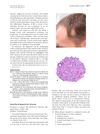
The man has Temporal Triangular Alopecia, a stable, non-scarring hair loss condition best treated with hair transplantation.
69 citations
,
February 2008 in “The American journal of pathology” Controlled delivery of specific RNA and IL-4 restored hair growth in mice with autoimmune alopecia.
 March 2020 in “Section 5: Patient safety and quality assurance”
 Tofacitinib and baricitinib had an acceptable level of side effects in rheumatoid arthritis patients.