July 2026 in “Journal of Cutaneous and Aesthetic Surgery” Trichoscopic parameters reliably indicate the severity of female pattern hair loss.
March 2026 in “Voprosy dermatologii i venerologii/Dermatologiâ ža̋ne veneralogiâ ma̋selelerì” Early diagnosis, genetic testing, and personalized care are essential for managing tuberous sclerosis.
9 citations
,
January 2012 in “International journal of trichology” Trichostasis spinulosa can be diagnosed with a simple skin biopsy and treated with specific gels, but lesions may return after stopping treatment.
 7 citations
,
January 2016 in “Case reports in pediatrics”
7 citations
,
January 2016 in “Case reports in pediatrics” A girl with Becker's nevus syndrome showed good improvement in breast development using spironolactone.
 7 citations
,
January 2015 in “Case reports in genetics”
7 citations
,
January 2015 in “Case reports in genetics” Using SNP array testing helped quickly find the gene causing Woodhouse-Sakati syndrome in two related individuals.
 January 2017 in “Lasers in Surgery and Medicine”
 The 2017 issue emphasized progress in laser and energy-based skin treatments, but noted the need for more research on certain procedures and technologies.
 October 2007 in “Clinical Biochemistry”
 New genotype linked to non-classical congenital adrenal hyperplasia found in Italian siblings.
 2 citations
,
March 2023 in “Skin research and technology”
2 citations
,
March 2023 in “Skin research and technology” Temporal triangular alopecia in infants is mostly seen in males at birth, with unique features that help with diagnosis.
 1 citations
,
June 2020 in “bioRxiv (Cold Spring Harbor Laboratory)”
1 citations
,
June 2020 in “bioRxiv (Cold Spring Harbor Laboratory)” Fetal skin has unique immune cells different from adult skin.
 March 2012 in “Journal of The American Academy of Dermatology”
 Temporal triangular alopecia usually starts in early childhood and treatment with Minoxidil has limited effectiveness.
March 2009 in “Chinese Journal of Dermatology” Melanocytes in the outer root sheath are likely stem cells that grow fast but stay immature.
 71 citations
,
February 2006 in “Clinics in Dermatology”
71 citations
,
February 2006 in “Clinics in Dermatology” Pregnancy causes skin changes like darkening, hair thickening, nail changes, and increased risk of skin growths, most of which usually resolve after birth.
 2 citations
,
December 2022 in “Scientific Data”
2 citations
,
December 2022 in “Scientific Data” The study maps how genes are regulated during mouse hair growth.
IRS-specific genes in Tan sheep hair follicles peak at birth and may affect wool crimp.
24 citations
,
December 2013 in “Archives of Dermatological Research” 12 citations
,
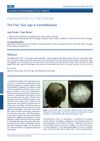
August 2001 in “PubMed” CE-PTG is a better method for analyzing hair growth in androgenetic alopecia.
 13 citations
,
June 2012 in “Journal of Dermatological Case Reports”
13 citations
,
June 2012 in “Journal of Dermatological Case Reports” An 8-year-old boy with hair-pulling disorder had a bald patch that was confirmed not to be a fungal infection and was treated with therapy.
 6 citations
,
December 2018 in “Australasian Journal of Dermatology”
6 citations
,
December 2018 in “Australasian Journal of Dermatology” The Trichoscopy Derived Sinclair Scale offers a more accurate and reliable way to measure hair loss severity than the traditional visual method.
 6 citations
,
July 2015 in “International Journal of Dermatology”
6 citations
,
July 2015 in “International Journal of Dermatology” Trichoepitheliomas can be hard to distinguish from other skin conditions and often start in teenage years.
 24 citations
,
December 2011 in “Journal of The American Academy of Dermatology”
24 citations
,
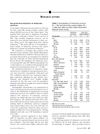
December 2011 in “Journal of The American Academy of Dermatology” Melanoma survivors are more likely to use sunscreen and seek shade than others, but less than half often use sunscreen and avoid the sun, and some still use tanning beds.
3 citations
,
October 1996 in “International Journal of Dermatology” Melatonin can affect skin color, treat skin conditions, and may help with skin cancer.
 April 2023 in “Journal of Investigative Dermatology”
 New method measures skin cell turnover quickly and effectively, showing turnover slows with age and responds more to treatments in older skin.
July 2026 in “Journal of the American Academy of Dermatology” 13 citations
,
January 2018 in “Skin Appendage Disorders” Dermoscopy improves diagnosis and treatment planning for trichostasis spinulosa.
37 citations
,
January 1986 in “Carcinogenesis” ODC expression in mouse skin and tumors is varied and can be inhibited by retinoic acid or cycloheximide.
September 2024 in “Journal of the American Academy of Dermatology” Lighter skin types respond better to narrowband UVB therapy for cutaneous T-cell lymphoma than darker skin types.
 8 citations
,
January 2006 in “Pakistan Veterinary Journal”
8 citations
,
January 2006 in “Pakistan Veterinary Journal” Fish meal in Pakistan is often adulterated and needs better quality control for poultry use.
 3 citations
,
February 2002 in “Dermatologic Surgery”
3 citations
,
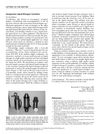
February 2002 in “Dermatologic Surgery” Using a handheld massage device during hair transplant significantly reduces pain for most patients.
 2 citations
,
July 2022 in “Cureus”
2 citations
,
July 2022 in “Cureus” A rare skin disorder affecting the face was found in a 28-year-old Saudi man.
 1 citations
,
February 2002 in “Dermatologic Surgery”
1 citations
,
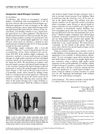
February 2002 in “Dermatologic Surgery” A cheap stainless steel container from a retail store can store liquid nitrogen effectively for 8-12 hours, saving money for medical practitioners.