 November 2022 in “Journal of the Endocrine Society”
 Always consider xanthomatous hypophysitis before deciding on pituitary surgery.
 24 citations
,
September 2014 in “Journal of the European Academy of Dermatology and Venereology”
24 citations
,
September 2014 in “Journal of the European Academy of Dermatology and Venereology” Trichoscopy is reliable for diagnosing Temporal Triangular Alopecia and can prevent unnecessary biopsies and wrong treatments.
 1 citations
,
February 2017 in “International journal of anatomy and research”
1 citations
,
February 2017 in “International journal of anatomy and research” Understanding fetal skin development helps diagnose congenital skin diseases.
 April 2012 in “Informa Healthcare eBooks”
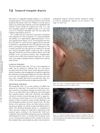
 Temporal triangular alopecia is a lifelong condition with hairless patches on the side of the head that may be present from birth.
7 citations
,
March 2004 in “Journal of the American Academy of Dermatology” Tiger tail banding and hair abnormalities are reliable indicators for diagnosing trichothiodystrophy.
10 citations
,
February 2019 in “Journal of cellular physiology” TGF-β2 helps yak hair follicles enter the regression phase, while HSP70 tries to prevent it.
 June 2023 in “British Journal of Dermatology”
 The prototype for analyzing skin aging works technically and clinically.
8 citations
,
January 2025 in “Journal of Investigative Dermatology” Fetal skin has diverse fibroblast types that change as it develops.
18 citations
,
June 1992 in “Acta Histochemica” Human hair follicles have a unique cell distribution and differentiation pattern during growth.
 January 2023 in “Figshare”
 Mouse skin and hair aging starts at 200 days, with changes in hair follicles and more white hairs as signs of aging.
 2 citations
,
January 2019 in “Dermatology Review”
2 citations
,
January 2019 in “Dermatology Review” Pigmented vellus and upright regrowing hairs predict hair regrowth in severe alopecia.
 November 2022 in “Journal of Investigative Dermatology”
 Skin aging and cancer development are influenced by the competition between stem cells.
 16 citations
,
February 2007 in “Plastic and Reconstructive Surgery”
16 citations
,
February 2007 in “Plastic and Reconstructive Surgery” Keratinocytes show more TGF-β system activity and collagen production as they age, which might affect wound scarring.
 19 citations
,
July 2009 in “Clinical and Experimental Dermatology”
19 citations
,
July 2009 in “Clinical and Experimental Dermatology” The study found that long-term sun exposure does not significantly affect follicular plugs on the scalp, and the scalp's appearance is unique compared to other body parts.
 14 citations
,
March 2012 in “Lasers in Surgery and Medicine”
14 citations
,
March 2012 in “Lasers in Surgery and Medicine” A low-power, fast laser safely reduces hair with minimal pain and few side effects.
12 citations
,
January 1987 in “Carcinogenesis” TCDD changes skin cell growth and keratin production in mice.
16 citations
,
January 1998 in “Dermatology” Androgens may worsen a natural hair resting phase, possibly leading to hair loss.
 April 2017 in “Journal of Investigative Dermatology”
 Deep phenotyping helps distinguish between xeroderma pigmentosum and trichothiodystrophy, aiding in diagnosis and treatment.
 November 2025 in “Archives of Dermatological Research”
 Using a higher concentration of triamcinolone acetonide leads to faster hair regrowth in scalp patchy alopecia areata.
 13 citations
,
March 2002 in “Pediatric Dermatology”
13 citations
,
March 2002 in “Pediatric Dermatology” A child was initially wrongly diagnosed with a fungal scalp infection but actually had a non-scarring hair loss condition called Temporal Triangular Alopecia.
 April 2023 in “Journal of Investigative Dermatology”
 Sunlight simulation causes skin inflammation, with different skin types reacting at different levels of exposure.
September 2018 in “CRC Press eBooks” Hair and nail disorders can cause changes in scalp pigmentation, especially with sun exposure and alopecia.
2 citations
,
July 1994 in “Journal of Dermatological Science” Grafted human scalp samples on mice can produce human hair, useful for studying hair genetics.
10 citations
,
April 2009 in “Oncology Reports” Bald-headed individuals may need early non-invasive detection for skin changes linked to cancer risk.
61 citations
,
February 1997 in “Differentiation” Hair differentiation starts earlier than thought, involving multiple type-II keratins.
4 citations
,
April 2014 in “Lasers in Surgery and Medicine” TRASER effectively targets blood vessels and hair follicles for potential use in vascular and hair removal treatments.
 August 2010 in “Journal of Investigative Dermatology”
 New hair regrowth model introduced, imiquimod kills skin cancer cells, T-cadherin loss makes skin cancer more invasive, no strong link between PTCH1 gene and skin cancer after transplant, and male teens more likely to have hereditary hair loss.
40 citations
,
November 2005 in “The journal of investigative dermatology/Journal of investigative dermatology” Different melanocyte types in hair follicles either survive or die during the catagen phase.
 8 citations
,
November 2020 in “Nature Communications”
8 citations
,
November 2020 in “Nature Communications” Adult stem cells with Tp63 can form hair and skin cells when placed in new skin, showing they have hidden abilities for skin repair.
5 citations
,
July 1996 in “Journal of Cutaneous Medicine and Surgery” TTD patients don't have a higher skin cancer risk because their main issue is with transcription, not DNA repair.