 70 citations
,
April 2016 in “Experimental Dermatology”
70 citations
,
April 2016 in “Experimental Dermatology” A patient with alopecia areata regrew hair after taking tofacitinib and showed changes in certain blood and skin markers.
19 citations
,
December 2019 in “Journal of the American Academy of Dermatology” 5 mg/mL of triamcinolone acetonide is most effective for hair regrowth with fewer side effects.
 13 citations
,
June 2012 in “Journal of Dermatological Case Reports”
13 citations
,
June 2012 in “Journal of Dermatological Case Reports” An 8-year-old boy with hair-pulling disorder had a bald patch that was confirmed not to be a fungal infection and was treated with therapy.
 May 2025 in “JEADV Clinical Practice”
 Tofacitinib and methotrexate successfully treated a woman's severe skin, joint, and hair loss issues.
22 citations
,
August 2011 in “Journal of the American Academy of Dermatology” Topical tacrolimus can effectively treat erosive pustular dermatosis and related hair loss.
January 2022 in “Clinical Cases in Dermatology” Early treatment of traction alopecia can reverse hair loss; prevention involves avoiding tight hairstyles.
January 2014 in “European Journal of Dermatology” A method was found to visualize hair regrowth and avoid unnecessary side effects from treatments.
 January 2022 in “Clinical dermatology open access journal”
 Early-stage Alopecia Areata was effectively treated in less than six months.
 January 2015 in “Farmatsevtychnyĭ zhurnal”
 The tincture made from nettle, sage, and horse chestnut in a 5:3:2 ratio is effective for treating telogen effluvium.
 6 citations
,
September 1995 in “The American Journal of Cosmetic Surgery”
6 citations
,
September 1995 in “The American Journal of Cosmetic Surgery” The new technique PÂTÉ improved the amount of scalp tissue removed in surgeries.
7 citations
,
September 1962 in “Oral Surgery Oral Medicine Oral Pathology” Triamcinolone acetonide effectively treated black hairy tongue.
 September 2024 in “Egyptian Journal of Dermatology and Venerology”
 Combining TRA and latanoprost is most effective for treating localized alopecia areata.
June 2020 in “Journal of skin and stem cell” The patient's hair loss from alopecia totalis returned despite initial successful treatment.
82 citations
,
May 2006 in “Cancer Nursing” Systematic symptom assessment helps prioritize care for children undergoing cancer treatment.
January 2019 in “Egyptian Journal of Dermatology and Venereology /Egyptian Journal of Dermatology and Venerology” Mixing calcipotriol with a steroid is almost as effective as using a steroid alone for alopecia areata and has fewer side effects.
 November 2025 in “Turkish Journal of Dermatology”
 Both baricitinib and tofacitinib effectively reduce alopecia areata severity, with tofacitinib showing more improvement over longer use.
15 citations
,
August 1985 in “Archives of dermatology” Tretinoin lotion can remove hair casts, which come from a specific part of the hair follicle and can be classified into two types.
 22 citations
,
March 2000 in “Clinical endocrinology”
22 citations
,
March 2000 in “Clinical endocrinology” Most patients experienced hirsutism again after stopping hormone treatment, indicating long-term treatment is needed to maintain results.
 January 2015 in “Journal of evolution of medical and dental sciences”
 Topical tacrolimus is effective and safe for treating alopecia areata.
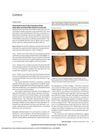 41 citations
,
December 2015 in “JAMA Dermatology”
41 citations
,
December 2015 in “JAMA Dermatology” Tofacitinib citrate improved nail dystrophy and pain in patients with alopecia universalis without causing side effects.
August 2026 in “Journal of Cosmetic Dermatology” PRP is a good alternative to ILTA for treating mild patch-type alopecia areata, with similar effectiveness and fewer side effects.
50 citations
,
July 2015 in “Journal of the American Academy of Dermatology” Using 2.5 mg/mL triamcinolone acetonide is effective for hair growth in alopecia areata with fewer side effects.
 1 citations
,
January 2002 in “European Urology Supplements”
1 citations
,
January 2002 in “European Urology Supplements” Tamsulosin works faster, but both drugs have similar effects after 6 months.
 June 2024 in “Indian Dermatology Online Journal”
 Topical tofacitinib is effective and safe for treating alopecia areata.
 April 2018 in “The Journal of Urology”
 Imipramine and pseudoephedrine treatment can effectively restore normal ejaculation in patients with diabetes, increasing their chances for pregnancy.
23 citations
,
January 2018 in “International Journal of Dermatology” Oral isotretinoin, especially at higher doses for at least 3 months, is effective for treating folliculitis decalvans.
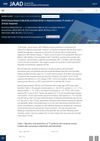 April 2023 in “Journal of the American Academy of Dermatology”
 Switching between the medications tofacitinib and baricitinib can be effective for treating hair loss in alopecia areata.
 52 citations
,
May 2013 in “Supportive Care in Cancer”
52 citations
,
May 2013 in “Supportive Care in Cancer” Scalp cooling significantly reduces hair loss in chemotherapy patients.
Combining epinephrine with a steroid may help regrow hair in severe alopecia areata cases.
15 citations
,
January 2015 in “Dermatitis” Topical immunotherapy is the best treatment for severe alopecia areata.