 December 2024 in “Chemical Senses”
 Taste disorders in Cronkhite-Canada syndrome are severe in the front of the tongue but improve with treatment.
233 citations
,
March 2009 in “Journal of Clinical Oncology” Chemotherapy reduces taste and smell, but they mostly recover after treatment; adding spices may help improve appetite.
1 citations
,
January 2020 in “Gastronomica The Journal of Food and Culture” Peppercorn's rich cultural and historical significance was reduced to just a flavor by 20th-century chemists.
1 citations
,
June 2019 in “Oral diseases” 5 citations
,
May 2020 in “Journal of the American Academy of Dermatology” AGA might indicate higher risk for severe COVID-19.
 December 2013 in “Appetite”
 A defective gene causes hair loss and taste insensitivity in BTBR mice.
53 citations
,
December 2012 in “Revista da Sociedade Brasileira de Medicina Tropical” Dengue symptoms and liver issues can persist for over two months, especially in men.
 25 citations
,
January 2022 in “Endocrine journal”
25 citations
,
January 2022 in “Endocrine journal” Long COVID patients may have hormonal imbalances linked to their symptoms.
 9 citations
,
March 2022 in “Journal of radiation research”
9 citations
,
March 2022 in “Journal of radiation research” Boron neutron capture therapy for head and neck cancer can cause side effects like mouth sores and skin irritation, which vary depending on where the treatment is aimed.
 8 citations
,
October 2021 in “bioRxiv (Cold Spring Harbor Laboratory)”
8 citations
,
October 2021 in “bioRxiv (Cold Spring Harbor Laboratory)” Healthcare workers with a positive COVID-19 test were more likely to report long-COVID symptoms.
10 citations
,
February 2022 in “Epidemiologia” One-third of COVID-19 patients had long-term symptoms like hair loss and fatigue, with women, older individuals, blood group B, smokers, and those with more virus exposure at higher risk.
1 citations
,
May 2021 in “Thyroid Research and Practice” Short-term side effects of low-dose radioactive iodine therapy are common but temporary.
 April 2023 in “Research Square (Research Square)”
 Many healthcare workers who had Covid-19 suffer from long-term symptoms like hair loss and fatigue, especially women.
 November 2020 in “Holistic Nursing Practice”
 COVID-19 can cause hair loss, loss of taste and smell, skin changes, and eye problems.
 2 citations
,
July 2023 in “bioRxiv (Cold Spring Harbor Laboratory)”
2 citations
,
July 2023 in “bioRxiv (Cold Spring Harbor Laboratory)” COVID-19 causes more taste, smell, hair, memory, and concentration issues than other respiratory infections.
 33 citations
,
February 1996 in “Lancet”
33 citations
,
February 1996 in “Lancet” Losartan can cause temporary loss of taste.
 1 citations
,
March 2010 in “Internal medicine journal”
1 citations
,
March 2010 in “Internal medicine journal” A 72-year-old man with sudden taste issues and hair growth was diagnosed with a severe stomach cancer and died within 5 months.
Soups with 5% or 10% hibiscus are tasty and nutritious.

Women often choose food based on taste and availability, not health benefits, leading to a lack of awareness about healthy eating.
 February 2024 in “ComFin Research”
 The soup mix with Avarampoo is a tasty, healthy alternative to energy drinks, offering various health benefits.
31 citations
,
July 2023 in “Foods” 3D scaffolds are crucial for making lab-grown meat taste and feel like real meat.
1 citations
,
January 2024 in “Journal of Food Processing and Preservation” Encapsulated pumpkin seed protein improves aloe vera drink's taste, antioxidants, and shelf life.
1 citations
,
January 2023 in “OALib” Fatigue, loss of taste and smell, and cough are common long-term symptoms after COVID-19.
 June 2022 in “International Journal of Advanced Research in Science, Communication and Technology”
 Multivitamin gummies with various vitamins and minerals offer a tasty and easy-to-digest alternative to traditional supplements.
 213 citations
,
December 2020 in “Annals of internal medicine”
213 citations
,
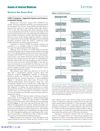
December 2020 in “Annals of internal medicine” Many COVID-19 patients still have symptoms like fatigue and loss of taste or smell a month after diagnosis.
6 citations
,
November 2024 in “Frontiers in Sustainable Food Systems” Ultrasound pre-treatment improved the color, taste, and protein quality of fish protein extracts.
December 2019 in “REVISTA FIMCA” Iodotherapy for thyroid cancer can cause dry mouth, taste loss, infections, and hair loss, so report side effects to doctors.
 April 1978 in “Pediatric research”
 Patients with anorexia nervosa did not show a correlation between zinc levels and taste perception or the severity of their condition.
17 citations
,
January 1981 in “International Journal of Food Sciences and Nutrition” Zinc and copper are vital for various body functions, including taste, smell, blood formation, and enzyme activity.
 9 citations
,
December 2011 in “Potravinarstvo Slovak Journal of Food Sciences”
9 citations
,
December 2011 in “Potravinarstvo Slovak Journal of Food Sciences” Different jujube genotypes have varying sizes, colors, and tastes, with potential for growth in Slovakia.