 September 2023 in “International journal of Unani and integrative medicine”
 Hair loss patterns are linked to temperament and can help diagnose it.
 5 citations
,
October 2011 in “Small ruminant research”
5 citations
,
October 2011 in “Small ruminant research” Goat hair growth and follicle activity change with the seasons and differ between males and females.
1 citations
,
August 2021 in “Journal of Investigative Dermatology” ASLAN004 was safe and well-tolerated, supporting further development for treating certain diseases.
April 2023 in “bioRxiv (Cold Spring Harbor Laboratory)” Gap junctions help control feather pattern formation by enabling cell communication.
 April 2018 in “Journal of Investigative Dermatology”
 BLZ-100 is safe for use in skin cancer surgery and may help identify cancerous tissue.
 8 citations
,
August 2018 in “Drug testing and analysis”
8 citations
,
August 2018 in “Drug testing and analysis” EtG levels in hair decrease significantly after one month of alcohol abstinence.
14 citations
,
July 1994 in “Journal of Investigative Dermatology” July 2024 in “Reactions Weekly”  April 2025 in “Brazilian Journal of Hair Health”
 The Extra Gentle brush reduces hair breakage and soothes sensitive scalps.
1 citations
,
January 2015 The gel with apigenin and celery juice promotes hair growth without causing skin irritation.
January 2025 in “Biomaterials Research” The new zinc peroxide hydrogel speeds up wound healing and tissue regeneration effectively.
1 citations
,
January 2017 in “Hair therapy & transplantation” Topical zinc-thymulin is safe and effective for treating male pattern baldness.
5 citations
,
November 2015 in “International Journal of Dermatology” 26 citations
,
February 1991 in “PubMed” Trichotillomania can be identified by a "Friar Tuck sign" and nail-biting.
 8 citations
,
May 2024 in “PLoS Biology”
8 citations
,
May 2024 in “PLoS Biology” Gap junctions help control feather pattern formation in chickens.
 4 citations
,
July 2021 in “Cancer Research and Treatment”
4 citations
,
July 2021 in “Cancer Research and Treatment” Temozolomide improves survival in grade III glioma patients without harming quality of life.
 April 2009 in “Contemporary Psychoanalysis”
 Analysts should confront their biases and self-interests to improve therapy.
 5 citations
,
November 2017 in “Asian journal of pharmaceutical and clinical research”
5 citations
,
November 2017 in “Asian journal of pharmaceutical and clinical research” Pakis Gajah (Angiopteris evecta) water extract may promote hair growth in rabbits, but more research is needed for human use.
April 2026 in “Phytotherapy Research” Licorice component glycyrrhizic acid may reduce skin side effects from cancer treatment.
 February 2023 in “Journal of Ginseng Research/Journal of ginseng research”
 New ginseng compounds may help treat degenerative diseases.
4 citations
,
January 2011 in “Dermatologic Therapy” Zinc supplements improved hair loss in patients with zinc deficiency.
The hydrogel speeds up wound healing and improves tissue repair.
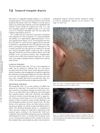 April 2012 in “Informa Healthcare eBooks”
 Temporal triangular alopecia is a lifelong condition with hairless patches on the side of the head that may be present from birth.
 August 2018 in “Journal of the American Academy of Dermatology”
 Tofacitinib is a potential alternative treatment for alopecia totalis, especially in patients with a shorter duration of the condition and more preserved hair follicles, but the overall response rate is low.
91 citations
,
November 1987 in “Archives of Dermatology” 35 citations
,
September 2011 in “The Journal of Dermatology” Trichoscopy helps accurately diagnose temporal triangular alopecia.
December 2025 in “Skin Appendage Disorders” Topical cetirizine may help increase hair count in androgenetic alopecia.
June 2026 in “Journal of Investigative Dermatology”  August 2024 in “Life Science Alliance”
 Helminth protein helps wounds heal better by reducing scarring and promoting tissue growth.
 May 2025 in “Anadolu Kliniği Tıp Bilimleri Dergisi”
 Gene variations may increase oxidative stress in male pattern baldness.