 January 2021 in “Mastology”
 Scalp cooling therapy helped over 80% of women keep at least half their hair during chemotherapy.
 March 1965 in “Hospital Topics”
 Chemotherapy provides symptom relief and extends life in 30-50% of gynecological cancer cases, but has only cured choriocarcinoma.
3 citations
,
April 2020 in “PubMed” Combining DEB-BACE with chemotherapy is more effective and has fewer side effects than chemotherapy alone for treating unresectable lung squamous cell carcinoma.
 1 citations
,
February 2018 in “Orthopedics and rheumatology”
1 citations
,
February 2018 in “Orthopedics and rheumatology” Combining Western chemotherapy with Traditional Chinese Medicine can reduce side effects and improve immune response in treating bone and soft tissue tumors.
 March 2026 in “International Journal of Ayurvedic Medicine (Hyderabad)”
 The patient showed tumor stability and improved health using a new Periwinkle preparation with chemotherapy.
 60 citations
,
June 1997 in “Drugs & Aging”
60 citations
,
June 1997 in “Drugs & Aging” Mitoxantrone with a corticosteroid helps manage symptoms for some advanced prostate cancer patients but doesn't extend life.
 3 citations
,
February 2023 in “Journal of drug delivery science and technology”
3 citations
,
February 2023 in “Journal of drug delivery science and technology” The new drug carriers show promise for better targeting and treating ovarian cancer.
1 citations
,
October 2019 in “Journal of Thoracic Oncology” Chemotherapy adds to, but doesn't enhance, the effects of immunotherapy in lung cancer treatment.
Ultrasound and nanocarriers could make breast cancer treatment safer and more effective.
 82 citations
,
December 2015 in “Nanomedicine”
82 citations
,
December 2015 in “Nanomedicine” Nanoparticle systems make cancer treatment less toxic.
9 citations
,
January 2021 in “BioMed research international” Human hair-derived particles can effectively carry and release the cancer drug Paclitaxel in a pH-sensitive manner, potentially targeting cancer cells while sparing healthy ones.
 13 citations
,
August 1980 in “Cancer”
13 citations
,
August 1980 in “Cancer” Multimodal primary treatment improves survival in premenopausal breast cancer patients and is also beneficial for postmenopausal women.
7 citations
,
August 2020 in “Current topics in medicinal chemistry” New cancer treatments aim to reduce side effects and improve effectiveness.
January 2018 in “Refubium (Universitätsbibliothek der Freien Universität Berlin)” Chemotherapy causes temporary hair loss in women, while Tamoxifen does not significantly affect hair, and genetics show no link between female pattern hair loss and common baldness genes.
 March 2025 in “Future Oncology”
 Sacituzumab govitecan improves quality of life and extends life for breast cancer patients compared to standard chemotherapy.
 August 2025 in “MedScien”
 Tumor-targeted drug carriers can improve chemotherapy precision and reduce side effects.
87 citations
,
January 1996 in “Journal of cellular biochemistry” Over 30 potential cancer prevention treatments are being tested, with some showing promise in early research.
32 citations
,
September 2013 in “Breast cancer research” A specific gene variant is linked to a higher risk of hair loss from chemotherapy in breast cancer patients.
1 citations
,
December 2023 in “Nanomaterials” Combining specific nanoparticles with immune therapy significantly improves cancer treatment.
January 2005 in “世界胃肠病学杂志:英文版(电子版)” Etoposide makes radiation therapy more effective against tumors without major side effects.
102 citations
,
October 2010 in “Molecular Pharmaceutics” Copper-doxorubicin nanoparticles effectively treat tumors with less toxicity.
294 citations
,
March 2016 in “European journal of cancer” Neoadjuvant chemotherapy followed by surgery leads to fewer severe complications and better quality of life than immediate surgery in advanced ovarian cancer patients with high tumor load.
 88 citations
,
July 2014 in “Journal of the American Academy of Dermatology”
88 citations
,
July 2014 in “Journal of the American Academy of Dermatology” Targeted cancer therapies often cause skin reactions, so dermatologists must manage these effects.
4 citations
,
January 1987 in “Beiträge zur Onkologie/Contributions to oncology” Adriamycin and ifosfamide together work best for advanced soft tissue sarcomas.
 18 citations
,
February 2023 in “PLoS ONE”
18 citations
,
February 2023 in “PLoS ONE” A new triple drug system using nanoparticles effectively targets breast tumors in 3D models.
 3 citations
,
July 2010 in “Archives of internal medicine”
3 citations
,
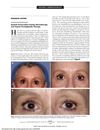
July 2010 in “Archives of internal medicine” A woman kept her eyelashes during chemotherapy possibly because of her glaucoma eye drops.
September 2002 in “Oncology Times” Promising cancer treatments were found, but the manufacturer closed.
September 2006 in “Experimental Dermatology” Targeting multiple pathways and understanding genetic mutations are crucial for effective melanoma therapy.
 3 citations
,
May 2023 in “International Journal of Molecular Sciences”
3 citations
,
May 2023 in “International Journal of Molecular Sciences” A new treatment using nanoparticles can effectively prevent and reduce hair loss caused by chemotherapy.
 114 citations
,
March 2002 in “Current opinion in oncology/Current opinion in oncology, with cancerlit”
114 citations
,
March 2002 in “Current opinion in oncology/Current opinion in oncology, with cancerlit” Cancer therapy can cause various skin problems, including hair loss, skin darkening, painful hand-foot syndrome, and severe skin damage.