 1 citations
,
August 2022 in “Journal of Dermatology and Dermatologic Surgery”
1 citations
,
August 2022 in “Journal of Dermatology and Dermatologic Surgery” A patient developed nerve problems as a side effect of a hair loss treatment called tofacitinib.
 March 2026 in “Cancer Diagnosis & Prognosis”
 Some side effects of breast cancer chemotherapy, like neuropathy and nail loss, can last long after treatment.
 11 citations
,
November 2021 in “JDDG Journal der Deutschen Dermatologischen Gesellschaft”
11 citations
,
November 2021 in “JDDG Journal der Deutschen Dermatologischen Gesellschaft” Cutaneous angiosarcomas require a combined treatment approach, but prognosis is generally poor.
2 citations
,
May 2017 in “Journal of the American Academy of Dermatology” Tofacitinib helped a 19-year-old regrow hair after other treatments failed.
 5 citations
,
June 2012 in “The journal of investigative dermatology/Journal of investigative dermatology”
5 citations
,
June 2012 in “The journal of investigative dermatology/Journal of investigative dermatology” Putting thymidine dinucleotide on newborn mice's skin can delay and reduce skin cancer.
2 citations
,
January 2010 in “Side effects of drugs annual” Dermatological drugs and cosmetics can cause serious side effects like cancer, allergies, and heart issues.
December 2019 in “REVISTA FIMCA” Iodotherapy for thyroid cancer can cause dry mouth, taste loss, infections, and hair loss, so report side effects to doctors.
 December 2024 in “Journal of Medicinal Chemistry”
 A new topical treatment for hair loss shows promise by targeting androgen receptors.
 76 citations
,
August 2007 in “Supportive care in cancer”
76 citations
,
August 2007 in “Supportive care in cancer” Chemotherapy often causes skin, nail, and hair side effects, significantly impacting quality of life.
 17 citations
,
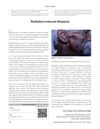
January 2010 in “International journal of trichology”
17 citations
,
January 2010 in “International journal of trichology” A man experienced hair loss from radiotherapy, which can be temporary or permanent depending on radiation dose, with potential treatments available.
October 2014 in “Cancer research” Blocking mTORC1 reduces skin tumor growth in mice.
4 citations
,
June 2025 in “MedComm” PROTACs show promise for cancer treatment, but designing them effectively is challenging.
 18 citations
,
December 1996 in “Seminars in Cutaneous Medicine and Surgery”
18 citations
,
December 1996 in “Seminars in Cutaneous Medicine and Surgery” Chemotherapy and cytokine therapy can cause various skin reactions, including hair loss and hypersensitivity.
1 citations
,
May 2012 in “Aktuelle Urologie” Chemoprevention, using drugs like finasteride and dutasteride, can help prevent prostate cancer.
4 citations
,
January 1987 in “Beiträge zur Onkologie/Contributions to oncology” Adriamycin and ifosfamide together work best for advanced soft tissue sarcomas.
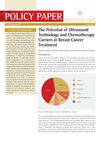
Ultrasound and nanocarriers could make breast cancer treatment safer and more effective.
Finasteride reduces prostate cancer risk but may increase high-grade tumors; new drugs and better diagnosis are in development, but funding and industry commitment are challenges.
 1 citations
,
September 2005 in “Oncology times”
1 citations
,
September 2005 in “Oncology times” Wearing a frozen glove during chemotherapy can reduce nail and skin problems but may not be comfortable for everyone.
 77 citations
,
January 1980 in “Carcinogenesis”
77 citations
,
January 1980 in “Carcinogenesis” TPA is about 50 times more effective at promoting tumors than MZ.
 16 citations
,
August 2003 in “Journal of The American Academy of Dermatology”
16 citations
,
August 2003 in “Journal of The American Academy of Dermatology” Nitrogen mustard was not very effective for hair regrowth in alopecia areata and has potential skin cancer risk.
 2 citations
,
March 2005 in “Cancer biology & therapy”
2 citations
,
March 2005 in “Cancer biology & therapy” Bexxar treatment led to a high response rate in patients with advanced-stage, treatment-resistant follicular lymphoma.
June 2026 in “EJC Paediatric Oncology” High-dose thiotepa and twice-daily treatments increase the risk of permanent hair loss in children receiving craniospinal irradiation.
 12 citations
,
July 2014 in “Journal of Investigative Dermatology”
12 citations
,
July 2014 in “Journal of Investigative Dermatology” Chemotherapy causes complex changes in hair follicle cells that can lead to hair loss.
 2 citations
,
April 2019 in “Dermatologic Therapy”
2 citations
,
April 2019 in “Dermatologic Therapy” A patient with alopecia had hair regrowth with tofacitinib but developed a skin reaction, choosing to continue the treatment despite the side effect.
Tofacitinib and low-dose IL-2 may help maintain hair regrowth in alopecia areata without ongoing treatment.
Baricitinib works better than methotrexate for severe alopecia areata.
 September 2025 in “PubMed”
 Prevent persistent hair loss after chemotherapy with scalp cooling and early minoxidil use.
June 2025 in “Molecular Therapy — Nucleic Acids” A new treatment using a DNA aptamer can promote hair growth by targeting a specific receptor.
 20 citations
,
July 2013 in “PLoS ONE”
20 citations
,
July 2013 in “PLoS ONE” Targeting EGFR may help reduce hair loss from chemotherapy.
227 citations
,
April 2023 in “The Lancet” Ritlecitinib effectively treats alopecia areata and is well-tolerated.