44 citations
,
May 2023 in “MedComm” PROTAC technology shows promise for cancer treatment but needs more effective E3 ligase recruiters.
 30 citations
,
January 2014 in “Dermatologic Clinics”
30 citations
,
January 2014 in “Dermatologic Clinics” Tight hairstyles, especially on chemically treated hair, can cause reversible hair loss if caught early but may become permanent if not addressed.
 1 citations
,
April 2022 in “The Journal of Family Practice”
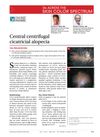
1 citations
,
April 2022 in “The Journal of Family Practice” CCCA causes progressive hair loss in Black women, starting from a central scalp patch.
3 citations
,
October 2021 in “Turkish Journal Of Neurology” Genetic analysis is crucial for diagnosing and managing cerebral arteriopathy.
January 2025 in “Open Veterinary Journal” Electrochemotherapy successfully treated skin tumors in cats without recurrence.
June 2024 in “Journal of the European Academy of Dermatology and Venereology” Allergens might contribute to CCCA, so avoiding them could help manage the condition.
 51 citations
,
March 2014 in “Nature Communications”
51 citations
,
March 2014 in “Nature Communications” Skin tumor regression is helped by retinoic acid signaling blocking Wnt signaling.
19 citations
,
January 2015 in “Skin appendage disorders” The report found a new type of hair loss in African-American women that affects more areas of the scalp than previously thought.
October 2025 in “Biomedicines” Terminalia chebula fruit extract helps hair growth by reducing DHT and boosting hair cell activity.
 15 citations
,
February 2019 in “Journal of clinical medicine”
15 citations
,
February 2019 in “Journal of clinical medicine” Atorvastatin reversed memory problems caused by cancer drug trastuzumab and improved its cancer-fighting abilities without causing hair loss.
 7 citations
,
August 2015 in “Dermatologic Surgery”
7 citations
,
August 2015 in “Dermatologic Surgery” The cross beam laser is a useful tool for safely measuring scalp stretchiness to improve hair transplant results.
January 2023 in “Indian Dermatology Online Journal” A 23-year-old man has a benign, non-progressive hair loss patch that doesn't respond to treatment but can be cosmetically treated.
September 2025 in “Stem Cell Research & Therapy” TAZ boosts fat cell formation in goat stem cells by activating a specific signaling pathway.
5 citations
,
January 2024 in “Science Advances” Touch dome keratinocytes in adult skin have traits of different skin cell types.
 2 citations
,
May 2022 in “Journal of the American Academy of Dermatology”
2 citations
,
May 2022 in “Journal of the American Academy of Dermatology” The study concludes that Traction Alopecia is often overlooked in women and children of color, and better recognition and follow-up care are needed.
 January 2025 in “Turkish Journal of Cerebrovascular Diseases”
 CARASIL can cause different symptoms even with the same genetic mutation.
 37 citations
,
August 2016 in “Clinical, Cosmetic and Investigational Dermatology”
37 citations
,
August 2016 in “Clinical, Cosmetic and Investigational Dermatology” The document concludes that better treatments for CCCA are needed and more research is required to understand its causes related to hairstyling and genetics.

Dual TCR Treg cells are common in various mouse tissues and show diverse characteristics.
147 citations
,
August 2005 in “The Plant Cell” The TIP1 gene is crucial for normal plant cell growth in Arabidopsis.
CAR-T cell therapy shows promise for treating autoimmune disorders but faces challenges like complex manufacturing and limited tissue penetration.
 24 citations
,
September 2014 in “Journal of the European Academy of Dermatology and Venereology”
24 citations
,
September 2014 in “Journal of the European Academy of Dermatology and Venereology” Trichoscopy is reliable for diagnosing Temporal Triangular Alopecia and can prevent unnecessary biopsies and wrong treatments.

Hair loss in African American women, caused by hair care, genetics, and environment, needs more research for better treatment.
9 citations
,
October 2025 in “MedComm” PROTACs offer new ways to treat hard-to-target diseases, with promising drugs for cancer in advanced trials.
 2 citations
,
December 2019 in “Al-ʻulūm al-ṣaydalāniyyaẗ”
2 citations
,
December 2019 in “Al-ʻulūm al-ṣaydalāniyyaẗ” The CTLA-4 gene change studied does not affect Polycystic Ovarian Syndrome in the women tested.
Low levels of tenuazonic acid can severely damage vital organs.

Careful diagnosis and management of MCTD are crucial due to potential severe complications.
April 2023 in “The Medical Journal of Australia” A five-year-old girl has a harmless, unchanging bald patch on her scalp.
2 citations
,
August 2020 in “CRC Press eBooks” Tabby mutations in mice affect hair follicle development and help study genetic mapping and certain medical conditions.
12 citations
,
September 2015 in “Drug Design Development and Therapy” AD198 is more effective than doxorubicin in stopping certain dog cancer cells.
 January 2026 in “Cell and Tissue Biology”
 TS-13 speeds up hair regrowth after chemotherapy without affecting treatment effectiveness.