 August 2019 in “DOAJ (DOAJ: Directory of Open Access Journals)”
 Telogen effluvium is a common, distressing condition causing excessive hair shedding and has significant psychological effects on patients.
 February 1994 in “PubMed”
 Telogen effluvium is a type of temporary hair loss.
May 2022 in “GLOBAL JOURNAL FOR RESEARCH ANALYSIS” COVID-19 can cause temporary hair loss.
 January 2014 in “Springer eBooks”
 Chronic telogen effluvium is a condition where there is prolonged shedding of hair.
 5 citations
,
February 2014 in “PubMed”
5 citations
,
February 2014 in “PubMed” Hair loss in Telogen effluvium is often chronic, linked to stress, and lacks a confirmed treatment, but topical corticosteroids may be used.
 5 citations
,
December 2019 in “JAAD Case Reports”
5 citations
,
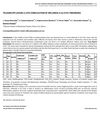
December 2019 in “JAAD Case Reports” A woman experienced rapid hair loss after taking albendazole, but it started to improve when she stopped the medication.
Hair loss can happen after severe H1N1 flu but usually grows back in 4 months.
 3 citations
,
February 2008 in “Basic and clinical dermatology”
3 citations
,
February 2008 in “Basic and clinical dermatology” Telogen Effluvium is a hair loss condition where treatment involves identifying and managing its triggers.
 56 citations
,
August 2019 in “Clinical, Cosmetic and Investigational Dermatology”
56 citations
,
August 2019 in “Clinical, Cosmetic and Investigational Dermatology” The document concludes that Telogen Effluvium is a hair loss disorder that can be assessed with the modified wash test and may be treated with clobetasol foam, with patient management being important.
 July 2018 in “Elsevier eBooks”
 Telogen Effluvium is a common, usually reversible hair loss condition, often improved by removing the trigger and possibly treated with various products, though their effectiveness is uncertain.
August 2015 in “Europe PMC (PubMed Central)”  May 2016 in “American Academy of Pediatrics eBooks”
 Telogen effluvium is a condition that causes temporary hair loss.
A patient experienced intense hair loss due to telogen effluvium after scalp contact dermatitis, but hair regrew completely within two months without further treatment.
 April 2024 in “Dermatovenerologiâ, kosmetologiâ”
 Telogen effluvium is a common hair loss condition that can be managed with proper treatment and addressing underlying issues.
 67 citations
,
January 2013 in “Indian Journal of Dermatology, Venereology and Leprology”
67 citations
,
January 2013 in “Indian Journal of Dermatology, Venereology and Leprology” Chronic Telogen Effluvium may resolve after years and is diagnosed by examining the patient's history and clinical signs, with treatment aimed at underlying causes and possibly minoxidil.
 40 citations
,
May 2020 in “Cureus”
40 citations
,
May 2020 in “Cureus” The conclusion is that treatments for Telogen Effluvium exist, but standard treatment guidelines are needed.
 October 2011 in “American Academy of Pediatrics eBooks”
 The document did not provide specific information on Telogen Effluvium.
 October 2024 in “Annals of Allergy Asthma & Immunology”
 Anaphylaxis from cow's milk allergy can cause temporary hair loss in children.
 November 2024 in “Huisarts en Wetenschap”
 Telogen effluvium hair loss often resolves on its own in 3 to 6 months, but see a dermatologist if it persists.
 January 2018 in “Springer eBooks”
 Telogen Effluvium causes more hair loss because hair moves to the resting phase too soon.
 November 2025 in “International Dermatology”
 Accurate diagnosis is crucial to distinguish telogen effluvium from male pattern baldness to avoid unnecessary treatments.
 March 2023 in “International Journal of Biomedicine”
 Hair loss from Telogen Effluvium can be managed by treating the underlying cause and may improve with treatments like minoxidil.
 July 1998 in “Chromatographia”
 Women with effluvium have higher levels of certain urinary steroids, possibly due to stress and increased adrenal activity.
 May 2022 in “Acta Scientific Women's Health”
 A woman lost over 80% of her hair due to a condition called telogen effluvium after having COVID-19.
 18 citations
,
March 2016 in “Cosmetics”
18 citations
,
March 2016 in “Cosmetics” Telogen Effluvium is a condition causing excessive hair loss due to stress, illness, drugs, or hormonal changes, and can be treated with specific products or naturally resolves after 3-4 years.
February 2025 in “Pediatric Dermatology” January 2020 in “Hair therapy & transplantation” Telogen effluvium is a common hair loss where hair sheds due to stress but new hair still grows.
September 2022 in “European Journal of Dermatology” The document cannot be parsed.