 August 2024 in “Journal of Dermatology for Physician Assistants”
 Early treatment of COVID-19-related hair loss is crucial for better outcomes.
 46 citations
,
January 2020 in “Research”
46 citations
,
January 2020 in “Research” Microneedle technology has advanced for painless drug delivery and sensitive detection but faces a gap between experimental use and clinical needs.
 March 1996 in “Hair transplant forum international”
 The WAHRS Live Surgery Workshop and Symposium was a unique hair restoration event.
 January 2024 in “Wiadomości Lekarskie”
 Sweden's forensic medicine is expanding the use of CT and aims to integrate 3D photogrammetry for injury documentation.
April 2026 in “Journal of Exercise Rehabilitation” Stem cell therapy can help reduce hair loss from COVID-19 vaccination.
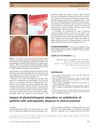 July 2014 in “Journal of Dermatology”
 Educating patients on phototrichogram increased satisfaction in androgenetic alopecia treatment.
 January 2024 in “Lecture notes in networks and systems”
 "TRICHOASSIST" is a system that analyzes hair and scalp images to help diagnose scalp diseases.
 January 2024 in “Wiadomości Lekarskie”
 The Polish Medical Association in Chicago effectively supported the Polish community during COVID-19.
54 citations
,
April 2011 in “Journal of Multidisciplinary Healthcare” SLE patients often face depression and anxiety due to physical changes, with African-American and Hispanic patients having higher unmet psychological needs.
January 2014 in “Kernboek” Baldness is debated as a disease, but not everyone agrees it's serious.
June 2026 in “Vestnik dermatologii i venerologii” Jet Peel technology improved hair density and treated seborrheic dermatitis.
26 citations
,
September 2024 in “Perspectives in Clinical Research” Drug repurposing offers faster, cheaper drug development but faces challenges like safety, ethics, and funding.
January 1981 in “Elsevier eBooks”  January 2026 in “Frontiers in Digital Health”
 Motion-graphic videos improve patient understanding more than verbal explanations for platelet-rich plasma therapy.
January 2026 in “Updates in clinical dermatology”  May 2014 in “Hair transplant forum international”
 Improve patient comfort during medical care.
 9 citations
,
May 2021 in “Archives of Dermatological Research”
9 citations
,
May 2021 in “Archives of Dermatological Research” Home-based skin care devices are generally safe and effective for hair removal, promoting hair growth, treating wrinkles and acne, but results for psoriasis treatment are mixed.
 January 2023 in “DAHUDER Medical Journal”
 Sudden hair loss might be a symptom of COVID-19.
 12 citations
,
December 2020 in “Journal of The American Academy of Dermatology”
12 citations
,
December 2020 in “Journal of The American Academy of Dermatology” The COVID-19 pandemic increased symptoms in people with skin picking and hair pulling disorders.
September 2024 in “Journal of the American Academy of Dermatology”  February 2026 in “International Journal of Basic & Clinical Pharmacology”
 Cosmetovigilance and clinical pharmacists can enhance safety in cosmetic treatments, especially for those with diabetes.
October 2022 in “Amplla Editora eBooks” 1 citations
,
July 2025 in “Chemosensors” A new wearable system improves wound healing by monitoring infections and delivering precise treatment.
 August 2021 in “Benha Journal of Applied Sciences”
 Biotin supplements significantly improve hair loss in people with telegon effluvium who lack biotin.
 November 2025 in “Health Promotion Evidence”
 Post-COVID-19 hair loss can be treated effectively with therapies like light therapy, microneedling, and scalp massage.
November 2023 in “Advances in clinical medical research & healthcare delivery” 82 citations
,
May 2006 in “Cancer Nursing” Systematic symptom assessment helps prioritize care for children undergoing cancer treatment.
 January 2024 in “Wiadomości Lekarskie”
 Early lung cancer screening in Ontario reduces deaths and is cost-effective.
 April 2023 in “American Journal of Transplantation”
 Hormone replacement therapy may lower the risk of severe COVID-19 outcomes in non-immunosuppressed people and male organ transplant recipients.