2 citations
,
January 2014 in “Journal of Cytology & Histology” Rapamycin and anti-EGFR antibody reduce LAM/TSC cell migration and blood vessel growth in the uterus.
July 2022 in “Journal of Investigative Dermatology” Inhibiting TYK2 can restore hair growth in alopecia areata.
TNFα and interleukin-1 blockers reduce skin inflammation from EGFR antibody therapy.
TNFα and interleukin-1 blockers reduce skin inflammation from EGFR antibody therapy.
 2 citations
,
February 1981 in “Journal of the Royal Society of Medicine”
2 citations
,
February 1981 in “Journal of the Royal Society of Medicine” A three-year-old girl survived a rare serious infection caused by BCG vaccination, which improved after treatment with a leprosy drug.
 April 2021 in “Journal of Investigative Dermatology”
 The new skin-targeted COVID-19 vaccine creates strong immune responses and could improve vaccination methods.
6 citations
,
December 2015 in “Journal of Dermatological Case Reports” Intradermal testing can better detect corticosteroid allergies than patch testing.
May 2019 in “Journal of clinical oncology” Topical calcitriol was safe and well-tolerated for potential hair loss prevention in chemotherapy patients.
7 citations
,
January 2025 in “Journal of Medicinal Chemistry” New itaconate prodrugs improve its absorption and effectiveness for treating inflammation.
 January 2024 in “Journal der Deutschen Dermatologischen Gesellschaft”
 Non-biologic immunosuppressive drugs are crucial for treating autoimmune and chronic inflammatory skin diseases.
 31 citations
,
June 2011 in “Journal of the neurological sciences”
31 citations
,
June 2011 in “Journal of the neurological sciences” Removing the thymoma improved the man's autoimmune conditions.
10 citations
,
May 2024 in “BioEssays” TRPV3 is important for skin health and could be a target for treating skin diseases.
 1 citations
,
April 2016 in “Journal of The American Academy of Dermatology”
1 citations
,
April 2016 in “Journal of The American Academy of Dermatology” Ixekizumab helps improve life quality, physical ability, and work performance in patients with psoriatic arthritis who haven't used biologic drugs before.
 July 2017 in “Nursing2023”
 Actemra is approved for a specific artery condition, HIV treatment adherence has improved, women may pay more for a hair loss product, and incorrect dosing of blood thinners can be risky.
September 2021 in “Journal of the American Academy of Dermatology” CTCL patients can safely continue treatment during COVID-19 with proper safety measures.
30 citations
,
February 2023 in “Journal of Investigative Dermatology” OX40-targeted therapies may help treat skin diseases by reducing inflammation and balancing immune responses.
November 2023 in “Journal of Pakistan Society of Internal Medicine.” Methotrexate is effective for rheumatoid arthritis but can cause side effects.
 October 2024 in “Journal of the Endocrine Society”
 Managing recurrent painless thyroiditis is challenging and should be personalized based on episode frequency, severity, symptoms, and patient preferences.
1 citations
,
January 1987 in “Veterinary Dermatology” Topical 0.1% tacrolimus improved a rare ear condition in cats.
17 citations
,
September 2024 in “Molecules” Turmeric essential oil compounds have potential as safe, effective drugs.
 January 2026 in “International Journal of Advanced Biochemistry Research”
 The dog improved significantly after treatment and needs lifelong thyroid medication.

Ruxolitinib cream shows promise for vitiligo, and early melanoma diagnosis is crucial.
 72 citations
,
December 2009 in “Organic and Biomolecular Chemistry”
72 citations
,
December 2009 in “Organic and Biomolecular Chemistry” Mercuric triflate is an effective catalyst for various organic reactions, working well at room temperature with high yields.
26 citations
,
January 1992 in “Carcinogenesis” TPA strongly increases ODC activity in certain skin cells, potentially aiding tumor growth.
 6 citations
,
January 2021 in “Frontiers in Immunology”
6 citations
,
January 2021 in “Frontiers in Immunology” Certain immune cells worsen post-surgery gut paralysis by activating a specific immune response.
 6 citations
,
November 2004 in “Bioorganic & Medicinal Chemistry Letters”
6 citations
,
November 2004 in “Bioorganic & Medicinal Chemistry Letters” Scientists created iodinated arylhydantoins and arylthiohydantoins that could potentially be used for imaging prostate cancer. Some versions with specific side-chains showed high potential for this use.
57 citations
,
January 2022 in “Biomedicines” Curcumin may improve cancer radiotherapy by making cancer cells more sensitive to radiation and protecting normal cells.
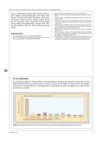
The document corrects a mistake by stating that pimecrolimus, not tacrolimus, is the drug that concentrates in the skin.
October 2025 in “Transactions on Materials Biotechnology and Life Sciences” Immunotherapies for non-small cell lung cancer show promise in improving treatment and reducing side effects.
25 citations
,
April 2012 in “Veterinary and comparative oncology” Megavoltage radiation therapy extended survival in rabbits with thymomas, especially in those weighing more than 1.57 kg.