 December 2025 in “Journal of Education Health and Sport”
 LED therapy is safe and effective for improving skin health and appearance.
 December 2025 in “Aesthetic Plastic Surgery”
 The new near-infrared LED device improves skin and hair with no side effects.
 September 2025 in “Drug Design Development and Therapy”
 Combining platelet-rich products, biomaterials, and bioactive substances may improve skin treatment, but more research is needed.
 November 2024 in “PubMed”
 Carboxytherapy effectively and safely improves skin aging signs.
 May 2024 in “Portuguese journal of dermatology and venereology”
 Reassurance and counseling are key in managing acute telogen effluvium, with supplements possibly offering a placebo effect.
 February 2024 in “Frontiers in physiology”
 Lymphatic vessels are important for skin repair and could affect skin disease treatments.
 February 2024 in “Asian journal of medical sciences”
 Proper hygiene, adequate sleep, and self-care can reduce common skin diseases.
 January 2024 in “bioRxiv (Cold Spring Harbor Laboratory)”
 The gene Ascl4 is not necessary for the development of hair, teeth, or mammary glands.
 January 2024 in “Clinical dermatology open access journal”
 Hemp-derived cannabinoids can benefit skin and hair without causing a high.
 December 2023 in “Curēus”
 Acne is the most common skin issue in Qassim Province, especially among young adults.
 December 2023 in “Acta Facultatis Medicae Naissensis”
 Cosmeceuticals are important for managing skin issues during the COVID-19 pandemic.
 November 2023 in “bioRxiv (Cold Spring Harbor Laboratory)”
 Adipocytes can change into fibroblast-like cells to help with wound healing.
 March 2023 in “Revista română de reumatologie”
 Skin problems are common in lupus, often appearing first, with various types and treatments, and careful monitoring is important for diagnosis and management.
 January 2022 in “Medical research archives”
 Taking vitamin D might improve life for MS patients and reduce skin side effects from alemtuzumab treatment.
 January 2019 in “Kocaeli tıp dergisi”
 People with chronic hair loss may have a higher chance of Vitamin B12 deficiency.

Ajwain seed extract improved skin healing and hair growth in a mouse skin irritation model.
 April 2018 in “Journal of Investigative Dermatology”
 Hair follicle stem cells can change their role to ensure proper hair development.
 April 2018 in “Journal of Investigative Dermatology”
 BLZ-100 is safe for use in skin cancer surgery and may help identify cancerous tissue.
 April 2018 in “Journal of Investigative Dermatology”
 Acne patients' skin, both with and without lesions, shows a strong immune response and higher antimicrobial activity.
 April 2018 in “Journal of Investigative Dermatology”
 High amphiregulin in the skin is a bad sign for acute graft-versus-host disease.
 April 2018 in “Journal of Investigative Dermatology”
 The role of γδT-cells in causing alopecia areata remains unclear.
 January 2018 in “Turkiye Klinikleri Journal of Dermatology”
 Eczema and acne were the most common skin issues in children at the clinic.
 January 2018 in “Stem cell biology and regenerative medicine”
 ATP-dependent chromatin remodeling is crucial for skin development and stem cell function.
 May 2017 in “Journal of The American Academy of Dermatology”
 An intact skin barrier is crucial to prevent infection in cases of tether-induced tenosynovitis.
 April 2017 in “Journal of Investigative Dermatology”
 Researchers improved a method to study individual cells in newborn mouse skin and found a way to assess the severity of a skin condition in humans.
 April 2017 in “Journal of Investigative Dermatology”
 Chemotherapy and radiation therapy cause skin and hair damage by altering gene expression and signaling pathways.
 January 2017 in “NASA Technical Reports Server (NASA)”
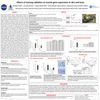
 Early changes in skin gene expression can predict later bone mass loss after radiation exposure.

Skin stem cells are crucial for maintaining and repairing skin, with potential for treating skin disorders and improving wound healing.
 April 2016 in “The journal of investigative dermatology/Journal of investigative dermatology”
 BMP signaling controls hair growth and skin color.
 January 2016 in “SpringerBriefs in bioengineering”
 Genetic defects and UV radiation cause skin damage and aging.