 384 citations
,
June 2005 in “Genes & development”
384 citations
,
June 2005 in “Genes & development” β-catenin is essential for stem cell activation and proliferation in hair follicles.
8 citations
,
September 2013 in “Molecular carcinogenesis” Rapamycin reduces skin cell growth and tumor development by affecting cell signaling in mice.
 November 2022 in “Journal of Investigative Dermatology”
 Blocking mTORC1 activity could increase hair pigmentation and potentially reverse greying.
 19 citations
,
January 2018 in “BioMed Research International”
19 citations
,
January 2018 in “BioMed Research International” miR-195-5p reduces hair growth ability in cells by blocking a specific growth signal.
38 citations
,
July 2020 in “EMBO journal” SIRT7 protein is crucial for starting hair growth in mice.
 123 citations
,
November 2012 in “Stem cells”
123 citations
,
November 2012 in “Stem cells” MicroRNA-302 helps improve the conversion of body cells into stem cells by blocking NR2F2.
 202 citations
,
August 2017 in “Nature cell biology”
202 citations
,
August 2017 in “Nature cell biology” Lactate production is important for activating hair growth stem cells.
52 citations
,
February 2021 in “Genomics Proteomics & Bioinformatics” Advancements in measuring chromatin accessibility at single-cell level improve understanding of gene regulation.
415 citations
,
January 2008 in “Cell” NFATc1 controls hair stem cell activity, affecting hair growth and could be a target for hair loss treatments.

Lnc056 helps hair follicle stem cells grow by increasing TRIP6 expression.
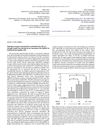 19 citations
,
September 2011 in “Journal of Dermatological Science”
19 citations
,
September 2011 in “Journal of Dermatological Science” TGF-β1 increases androgen receptor activity in hair loss, but Hic-5/ARA55 can counter this effect.
 April 2023 in “The journal of investigative dermatology/Journal of investigative dermatology”
 Noncoding dsRNA helps produce exosomes that aid in skin regeneration.
April 2021 in “The journal of investigative dermatology/Journal of investigative dermatology” CTCF protein is essential for skin and hair follicle development in mice.
July 2025 in “Journal of Investigative Dermatology” Hhip-Cre effectively targets dermal papilla cells for gene manipulation in hair biology.
53 citations
,
June 1983 in “Journal of Investigative Dermatology” The enzyme is crucial for skin cell development and can be activated without proteolytic activation.
April 2019 in “The journal of investigative dermatology/Journal of investigative dermatology” Disrupting the Tsc2 gene in certain cells leads to thicker skin, larger hair, and changes in hair growth signaling, which can be partly reversed with specific treatment.
January 2011 in “The Chinese Journal of Dermatovenereology” DPC-hTERT cells can create hair follicle-like structures.
Loss of Dnmt3a and Dnmt3b increases aggressive skin tumors by affecting PPAR-γ.
 71 citations
,
January 2015 in “Journal of molecular cell biology/Journal of Molecular Cell Biology”
71 citations
,
January 2015 in “Journal of molecular cell biology/Journal of Molecular Cell Biology” mTOR signaling helps activate hair stem cells by balancing out the suppression caused by BMP during hair growth.
 14 citations
,
June 2017 in “Immunity”
14 citations
,
June 2017 in “Immunity” Special immune cells called Treg cells are important for maintaining and regenerating hair by activating a specific growth signal in hair stem cells.
 34 citations
,
June 2008 in “In vitro cellular & developmental biology. Animal”
34 citations
,
June 2008 in “In vitro cellular & developmental biology. Animal” Scientists created a long-lasting stem cell line from human hair that can turn into different skin and hair cell types.
January 1993 in “Claves de razón práctica” ROR2 is crucial for hair follicle stem cell maintenance and self-renewal.
 14 citations
,
February 2020 in “Scientific reports”
14 citations
,
February 2020 in “Scientific reports” Telocytes in the scalp may help with skin regeneration and maintenance.
November 2025 in “Journal of Investigative Dermatology” TEDAR is crucial for skin cell differentiation and barrier formation.
 51 citations
,
December 2003 in “The FASEB Journal”
51 citations
,
December 2003 in “The FASEB Journal” The substance AS101 can help hair grow by slowing down hair cell aging and boosting a hair growth protein.
 April 2017 in “Journal of Investigative Dermatology”
 PRC1 influences skin stem cell development by both turning genes on and off, affecting hair growth and skin cell types.
26 citations
,
December 2019 in “Stem Cell Reports” Proper tissue repair in adult skin requires specific histone hypomethylation.
 April 2017 in “Journal of Investigative Dermatology”
 A virus protein can activate a pathway that may lead to abnormal hair follicle development.
18 citations
,
November 2005 in “Archives of Dermatological Research”