 May 2023 in “Research Square (Research Square)”
 Blocking the HEDGEHOG-GLI1 pathway can reduce keloid growth and may be a potential treatment.
March 2007 in “Journal of Cell Science” K10 may not prevent tumors as previously thought and might increase benign tumor risk.
6 citations
,
June 2023 in “Experimental Dermatology” Targeting mitophagy may help treat alopecia areata by reducing inflammasome activation.
2 citations
,
November 2022 in “bioRxiv (Cold Spring Harbor Laboratory)” Mutant stem cells adapt their metabolism differently to outcompete normal cells in the skin.
19 citations
,
January 2015 in “Development” Hoxc8 gene helps start mammary gland development by controlling specific signals.
January 2020 in “Hair therapy & transplantation” Telogen effluvium is a common hair loss where hair sheds due to stress but new hair still grows.
 April 2023 in “Journal of Investigative Dermatology”
 Mutations in the SHH pathway in certain skin cells can cause skin tumors and abnormal hair growth.
 33 citations
,
June 2017 in “Developmental Biology”
33 citations
,
June 2017 in “Developmental Biology” Mice can correct hair follicle orientation without certain genes, but proper overall alignment needs those genes.
136 citations
,
March 1998 in “Oncogene” Overexpression of E2F1 can lead to skin tumors and disrupt hair growth.
July 2016 in “Cancer research” Mutant cells in hair follicles are influenced by their location and interactions with surrounding cells.
 19 citations
,
September 2019 in “PLOS genetics”
19 citations
,
September 2019 in “PLOS genetics” Telomere damage affects skin and hair follicle stem cells by messing up important growth signals.
12 citations
,
July 2019 in “Veterinary Dermatology” Nestin-expressing progenitor cells become outer root sheath keratinocytes.
2 citations
,
December 2024 in “BMC Genomics” Key genes and pathways control sheep hair growth phases.
May 2014 in “The journal of immunology/The Journal of immunology” Early over-expression of FoxN1 harms immune and skin development.
414 citations
,
August 2005 in “Nature” Activating TERT in mice skin boosts hair growth by waking up hair follicle stem cells.
 14 citations
,
February 2020 in “Scientific reports”
14 citations
,
February 2020 in “Scientific reports” Telocytes in the scalp may help with skin regeneration and maintenance.
 19 citations
,
August 2012 in “Cell death and differentiation”
19 citations
,
August 2012 in “Cell death and differentiation” Intu gene is crucial for hair follicle formation by helping keratinocytes differentiate through primary cilia.
1 citations
,
August 2016 in “Dermatology - Open Journal” Mitochondria change shape to meet energy needs during cell movement.
 January 2013 in “Jaypee Brothers Medical Publishers (P) Ltd. eBooks”
 Telogen effluvium is a condition that causes temporary hair loss.
Deleting Smad4 and PTEN genes in mice causes rapid, invasive stomach cancer.
 2 citations
,
June 2023 in “Journal of cell science”
2 citations
,
June 2023 in “Journal of cell science” Mutations in iRhom2 affect hair and skin in mice and are linked to esophageal cancer, with ADAM17 playing a crucial role.
83 citations
,
February 1991 in “Development” Fos protein is crucial for cell transition to cornification in keratinized tissues.
 2 citations
,
August 2002 in “Zeitschrift für Hautkrankheiten”
2 citations
,
August 2002 in “Zeitschrift für Hautkrankheiten” Telogen effluvium is a hair loss condition caused by various factors and requires a thorough examination to diagnose and differentiate from other hair loss types.
 January 2004 in “Springer eBooks”
 Telogen effluvium is a condition that causes temporary hair loss.
13 citations
,
January 2018 in “Yonsei Medical Journal” A specific gene mutation causes Olmsted syndrome.
 January 2021 in “touchREVIEWS in Endocrinology”
 Surgery successfully treated a hidden ovarian tumor causing hair loss and excess hair growth in a postmenopausal woman.
January 2021 in “Indian journal of veterinary pathology” A 15-year-old female labrador had a large ovarian tumor removed.
Deleting Smad4 and PTEN genes in mice causes rapid, invasive forestomach cancer.
 September 2023 in “Cutis”
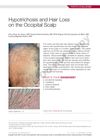
 A baby girl has a hair disorder called monilethrix, causing fragile hair that may improve over time.
 May 2023 in “bioRxiv (Cold Spring Harbor Laboratory)”
 Telocytes, cells with long extensions, are vital for hair growth because they produce Wnt signals, which are necessary for hair follicle regeneration.