 17 citations
,
January 2015 in “International Journal of Trichology”
17 citations
,
January 2015 in “International Journal of Trichology” Frontal fibrosing alopecia may affect nails and could be a type of lichen planus, treatable with certain medications.
 8 citations
,
September 2011 in “European Journal of Dermatology”
8 citations
,
September 2011 in “European Journal of Dermatology” Most treatments for Frontal Fibrosing Alopecia are ineffective, but early anti-inflammatory therapy may help and the condition may stabilize over time.
 January 2011 in “Reactions Weekly”
 Long-term use of minoxidil may cause hair follicles to transform into noticeable terminal hairs, leading to trichostasis spinulosa.
3 citations
,
June 2015 in “CRC Press eBooks” Male pattern hair loss affects up to 80% of men due to genetics and hormone sensitivity.
 January 2022 in “Clinical Cases in Dermatology”
 Stress can cause temporary hair loss, which usually gets better after the stress is gone.
January 2014 in “Jaypee Brothers Medical Publishers (P) Ltd. eBooks” Androgenetic alopecia is the most common cause of hair loss, affecting both men and women, with varying patterns and prevalence among different races.
 February 2025 in “PubMed”
 Thorough scalp exams are crucial for diagnosing hair loss conditions in people with skin of color.

Androgenetic alopecia is a common type of hair loss in men and women, caused by a testosterone byproduct affecting hair follicles, with sensitivity determined by genetics.
 19 citations
,
August 2018 in “International Journal of Dermatology”
19 citations
,
August 2018 in “International Journal of Dermatology” Lupus panniculitis of the scalp causes linear hair loss and needs ongoing treatment to prevent recurrence and lupus.
 6 citations
,
December 2011 in “Clinical and Experimental Dermatology”
6 citations
,
December 2011 in “Clinical and Experimental Dermatology” A woman developed rare, unexplained curly hair on her scalp and eyelashes.
 5 citations
,
January 2020 in “Journal of Dermatology”
5 citations
,
January 2020 in “Journal of Dermatology” Temporal hair loss relates to overall scalp hair loss in women.
 6 citations
,
November 2018 in “Dermatologic Therapy”
6 citations
,
November 2018 in “Dermatologic Therapy” Wearing a ponytail often is linked to hair loss at the front of the scalp in Chinese women.
 33 citations
,
January 2015 in “Journal of Cosmetic Dermatology”
33 citations
,
January 2015 in “Journal of Cosmetic Dermatology” Familial frontal fibrosing alopecia affects premenopausal women too, and early diagnosis is important, but no proven medication exists yet.
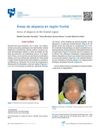 January 2025 in “Revista del Centro Dermatológico Pascua”
 Early diagnosis and treatment can help manage fibrosing alopecia in older women.
 1 citations
,
May 2024 in “Dermatology and Therapy”
1 citations
,
May 2024 in “Dermatology and Therapy” Frontal Fibrosing Alopecia needs better diagnostics and treatments, with dutasteride showing promise.
The article suggests that patients with Frontal Fibrosing Alopecia may have more contact allergies, but it doesn't prove that allergies cause the condition.
 39 citations
,
October 1967 in “British Journal of Dermatology”
39 citations
,
October 1967 in “British Journal of Dermatology” Hair loss in women often doesn't follow a pattern, isn't linked to age, may be genetic, and can be related to thyroid issues or other health factors.
 23 citations
,
November 2018 in “Journal of the European Academy of Dermatology and Venereology”
23 citations
,
November 2018 in “Journal of the European Academy of Dermatology and Venereology” The study concluded that severity of Frontal fibrosing alopecia is not linked to how long someone has it, can start before menopause, and eyebrow loss may be an early sign.
 57 citations
,
January 2003 in “Clinical and experimental dermatology”
57 citations
,
January 2003 in “Clinical and experimental dermatology” Postmenopausal frontal fibrosing alopecia is a type of hair loss in postmenopausal women that may stop on its own but has no effective treatment.
 1 citations
,
December 2017 in “Anais Brasileiros de Dermatologia”
1 citations
,
December 2017 in “Anais Brasileiros de Dermatologia” Frontal fibrosing alopecia can mimic traction alopecia but has distinct features like facial papules and eyebrow thinning.
 89 citations
,
February 2002 in “Australasian journal of dermatology”
89 citations
,
February 2002 in “Australasian journal of dermatology” A premenopausal woman had hair loss and skin issues, treated with topical steroids.
 26 citations
,
August 2016 in “Actas Dermo-Sifiliográficas”
26 citations
,
August 2016 in “Actas Dermo-Sifiliográficas” Frontal Fibrosing Alopecia in men is often missed and can come with symptoms like facial bumps and hair loss on eyebrows and limbs.
 March 2018 in “Dermatología Argentina”
 The study found that the average age of women diagnosed with Frontal Fibrosing Alopecia in Argentina is higher than in other countries, but their symptoms are similar.
 19 citations
,
May 2013 in “Annals of Oncology”
19 citations
,
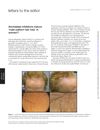
May 2013 in “Annals of Oncology” Aromatase inhibitors cause male pattern hair loss in women.
 17 citations
,
November 2018 in “Dermatology”
17 citations
,
November 2018 in “Dermatology” Most patients with frontal fibrosing alopecia had facial bumps, with Hispanic/Latino and premenopausal women being more affected, suggesting a more severe condition.
 17 citations
,
October 2017 in “Journal of Cutaneous Medicine and Surgery”
17 citations
,
October 2017 in “Journal of Cutaneous Medicine and Surgery” No treatment has been proven to effectively stop hair loss or regrow hair in Frontal Fibrosing Alopecia, and more research is needed.
 15 citations
,
August 2019 in “Dermatologic Therapy”
15 citations
,
August 2019 in “Dermatologic Therapy” Platelet-rich plasma (PRP) may help treat hair loss in patients with frontal fibrosing alopecia who don't respond to other treatments.
 10 citations
,
January 2019 in “Skin Research and Technology”
10 citations
,
January 2019 in “Skin Research and Technology” Southern Chinese women with female pattern hair loss have less, thinner hair and smaller hair follicles.
 5 citations
,
April 2019 in “Journal of The American Academy of Dermatology”
5 citations
,
April 2019 in “Journal of The American Academy of Dermatology” Frontal Fibrosing Alopecia may be a complex condition linked to hormonal changes in women, not just a form of Lichen Planopilaris.
 1 citations
,
January 2019 in “Paediatrics and Child Health”
1 citations
,
January 2019 in “Paediatrics and Child Health” The document concludes that understanding hair biology and recognizing hair conditions are crucial for managing and treating hair loss in children.