13 citations
,
January 2021 in “The American journal of gastroenterology” Sirolimus effectively reduces lesions and improves quality of life in Blue Rubber Bleb Nevus Syndrome with manageable side effects.
17 citations
,
December 1997 in “Transplantation” Tacrolimus can cause hair loss in kidney transplant patients.
86 citations
,
June 2018 in “Cochrane library” Mycophenolate mofetil may improve lupus nephritis remission more than cyclophosphamide but with uncertain safety.
 14 citations
,
April 2017 in “American Journal of Transplantation”
14 citations
,
April 2017 in “American Journal of Transplantation” Skin problems from transplant drugs are common and need careful management in organ transplant patients.

Tacrolimus causes fewer acute rejections than cyclosporin A in kidney transplants but doesn't necessarily improve kidney function after one year; cardiovascular risks and side effects vary between the two drugs.
33 citations
,
May 2001 in “Annals of pharmacotherapy/The annals of pharmacotherapy” Topical tacrolimus is safe and effective for skin conditions, but oral tacrolimus has serious side effects.
 April 2017 in “Journal of Investigative Dermatology”
 Sirolimus and propranolol may reduce abnormal cell growth and improve lymphatic malformations in children.
January 2013 in “Biology of blood and marrow transplantation” Rapamycin increased survival in mice with severe chronic graft-versus-host disease by expanding regulatory T cells.
November 2020 in “Universal Journal of Pharmaceutical Research” Tacrolimus is a better option than cyclosporine due to fewer side effects.
 2 citations
,
September 2010 in “Journal of the Dermatology Nurses’ Association”
2 citations
,
September 2010 in “Journal of the Dermatology Nurses’ Association” Transplant patients on immunosuppressive medications have a higher risk of skin cancer, and managing this involves balancing medication with cancer risk.
11 citations
,
August 2021 in “Stem Cell Research & Therapy” Pimecrolimus reduces the effectiveness of stem cell therapy for atopic dermatitis.
6 citations
,
April 2016 in “Australasian journal of dermatology” Renal transplant patients on tacrolimus and sirolimus may develop acne keloidalis nuchae.
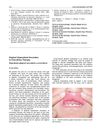 January 2010 in “Actas Dermo-Sifiliográficas”
 A woman developed thick gums from everolimus treatment after a kidney transplant.
45 citations
,
March 1998 in “Journal of the American Academy of Dermatology” Majocchi's granuloma can occur in kidney transplant patients on tacrolimus and can be treated with antifungal medication.
137 citations
,
December 2006 in “Arthritis Research & Therapy” Mycophenolate mofetil is safer and more effective than cyclophosphamide for treating lupus nephritis.
December 2023 in “Frontiers in Medicine” Hair samples can reliably monitor tacrolimus levels in kidney transplant patients.
6 citations
,
June 2009 in “Clinical and Experimental Dermatology” Topical tacrolimus reduces certain growth factors in hair follicles.

The document corrects a mistake by stating that pimecrolimus, not tacrolimus, is the drug that concentrates in the skin.
7 citations
,
August 2025 in “European Journal of Endocrinology” Long-term use of calcineurin inhibitors in transplant patients can cause hormone issues that can be managed with proper care.
January 2026 in “Vestnik dermatologii i venerologii” Tacrolimus ointment is effective for various skin conditions but needs more research for long-term effects.
 February 2023 in “JAAD case reports”
 Reducing immunosuppression and using antiviral creams improved the woman's skin condition.
October 2014 in “Cancer research” Blocking mTORC1 reduces skin tumor growth in mice.
1 citations
,
November 2016 in “Journal of dermatological treatment” Oral tacrolimus may be a potential treatment for hair loss that doesn't respond to corticosteroids.
March 2022 in “Oncology Times” Tebentafusp-tebn improves survival rates in uveal melanoma patients but has common side effects like rash and fatigue.
8 citations
,
August 2016 in “Journal of the European Academy of Dermatology and Venereology” Oral tacrolimus helped a rheumatoid arthritis patient regrow hair lost due to alopecia areata.
 September 2025 in “Arthritis Research & Therapy”
 BMS-470539 reduces skin fibrosis and inflammation.
 May 2018 in “European Journal of Dermatology”
 Adjusting the medication tacrolimus resolved a boy's red nail beds after a stem cell transplant.
 April 2023 in “Journal of Investigative Dermatology”
 Keeping human skin stem cells is easier with low temperatures and mTOR inhibition.
3 citations
,
January 2018 in “Archives of Disease in Childhood” Switching to generic tacrolimus was safe, effective, and saved money.
4 citations
,
October 2016 in “The journal of investigative dermatology/Journal of investigative dermatology” Using an anti-ICAM-1 antibody with rapamycin improves hair transplant survival in monkeys.