 November 2025 in “Mendeley Data”
 JAK inhibitors can be safely used for alopecia areata in patients with latent hepatitis B or stable tuberculosis with proper monitoring.
January 2021 in “Asian Journal of Pharmaceutical and Clinical Research” FT-Raman spectroscopy is effective for identifying drug polymorphs, ensuring quality and stability.
5 citations
,
July 2024 in “Archives of Dermatological Research”  29 citations
,
January 2016 in “CNS drugs”
29 citations
,
January 2016 in “CNS drugs” Teriflunomide is effective and generally safe for treating relapsing-remitting multiple sclerosis.
March 2023 in “Italian journal of dermatology and venereology”  1 citations
,
January 2021 in “Research Square (Research Square)”
1 citations
,
January 2021 in “Research Square (Research Square)” Enzalutamide, a prostate cancer drug, may help prevent COVID-19 by blocking the virus from entering lung cells.
 2 citations
,
March 2020 in “Skin”
2 citations
,
March 2020 in “Skin” Using cidofovir cream for a rare skin disease can cause skin darkening.
January 2026 in “Journal of the American Academy of Dermatology” 5-alpha reductase inhibitors do not increase osteoporosis risk in women with certain hair loss conditions.
4 citations
,
May 2023 in “Cells” Baricitinib and its combination with lonafarnib improve fat cell formation in certain genetic disorders.
1 citations
,
December 2012 in “Journal of dermatological science” Combining ficlatuzumab and gefitinib can cause severe scarring hair loss.
 March 2024 in “Clinical, cosmetic and investigational dermatology”
 Tofacitinib successfully treated vitiligo in a patient with lupus without side effects.
 72 citations
,
November 2015 in “Multiple Sclerosis and Related Disorders”
72 citations
,
November 2015 in “Multiple Sclerosis and Related Disorders” Teriflunomide is safe and tolerable for treating relapsing-remitting multiple sclerosis, with manageable side effects.
December 2025 in “Molecular Pharmaceutics” Combining tadalafil and finasteride improves their solubility and effectiveness.
3 citations
,
January 2011 in “Yearbook of Dermatology and Dermatologic Surgery” June 2025 in “Indus journal of bioscience research.” Oral tofacitinib is more effective than oral minoxidil for treating alopecia areata.
9 citations
,
July 2019 in “Dermatologic therapy” Alitretinoin can effectively treat frontal fibrosing alopecia.
 8 citations
,
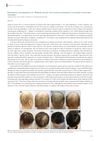
June 2022 in “Frontiers in Medicine”
8 citations
,
June 2022 in “Frontiers in Medicine” Both individual and combined treatments of tofacitinib and corticosteroids can help regrow hair in moderate-to-severe alopecia areata, but ongoing treatment may be necessary.
 8 citations
,
May 2017 in “Singapore Medical Journal”
8 citations
,
May 2017 in “Singapore Medical Journal” A Korean woman with complete hair loss regrew her hair after taking tofacitinib, with no side effects.
 December 2025 in “npj Breast Cancer”
 Capivasertib improves survival in certain breast cancer cases but requires careful management of side effects.
 1 citations
,
September 2007 in “European journal of paediatric neurology”
1 citations
,
September 2007 in “European journal of paediatric neurology” Low dose valproic acid treatment caused hair loss in a young patient.
61 citations
,
June 2010 in “Journal of the European Academy of Dermatology and Venereology” Anti-TNF-α therapy may increase the risk of developing alopecia areata, especially in those with a history of autoimmune disease.
 23 citations
,
January 2012 in “International Food Research Journal”
23 citations
,
January 2012 in “International Food Research Journal” Tofacitinib effectively treated a woman's severe symptoms from a rare autoimmune condition.
 June 2017 in “Journal of The American Academy of Dermatology”
 Teriflunomide often causes mild to moderate hair thinning and loss in MS patients, which usually improves with or without treatment.
June 2016 in “Indian Journal of Pharmacy Practice” Stopping fluvoxamine can reverse hair loss caused by the drug.
April 2026 in “Meditsinskiy sovet = Medical Council” Tofacitinib and baricitinib are similarly effective and safe for alopecia areata, but baricitinib works faster.
January 2025 in “Seizure” Dual anti-seizure medications, especially valproic acid with lamotrigine, often cause more side effects like hair loss and memory issues.
 210 citations
,
November 2015 in “The Lancet HIV”
210 citations
,
November 2015 in “The Lancet HIV” PrEP for HIV is less effective in transgender women mainly due to low adherence to the treatment.
 6 citations
,
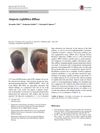
April 2015 in “Infection”
6 citations
,
April 2015 in “Infection” Treatment with benzylpenicillin and prednisolone cured the patient's syphilis and hair loss.
 6 citations
,
December 1996 in “The Journal of Clinical Pharmacology”
6 citations
,
December 1996 in “The Journal of Clinical Pharmacology” Terazosin and finasteride together cause no major issues.
 December 2025 in “International Journal of Innovative Technologies in Social Science”
 Ritlecitinib is generally safe for long-term use, with mostly mild side effects.