 9 citations
,
March 2022 in “Antioxidants”
9 citations
,
March 2022 in “Antioxidants” Synthetic antioxidants are effective, cheap, and stable, with some like zinc and cholecalciferol reducing child and cancer deaths, but the safety of additives like BHA, BHT, TBHQ, and PEG needs more research.
January 2004 in “Molecular biotechnology”  February 2026 in “Frontiers in Immunology”
 Ivarmacitinib significantly improved hair regrowth in severe alopecia areata after tofacitinib was less effective.
20 citations
,
August 2023 in “Saudi Pharmaceutical Journal” Niosomes can effectively deliver cetirizine topically for treating alopecia.
 1 citations
,
June 2025 in “International Journal of Plant and Environment”
1 citations
,
June 2025 in “International Journal of Plant and Environment” Nickel oxide nanoparticles made with plant extract can kill bacteria and fungi and break down dyes.
April 2025 in “Cosmetics” RCDP NCs are promising anti-aging cosmetic ingredients that improve skin health by reducing oxidative stress and enhancing cell function.
 March 2021 in “International journal for research in applied science and engineering technology”
 Herbal hair dyes from tannin-rich plants are effective and safer than synthetic dyes.
 13 citations
,
November 2021 in “Pediatric Dermatology”
13 citations
,
November 2021 in “Pediatric Dermatology” Tofacitinib taken by mouth helps treat hair loss in children.
 March 2026 in “Zenodo (CERN European Organization for Nuclear Research)”
 Ratanjot root oil helps hair grow and conditions and colors it naturally.
 1 citations
,
May 2026 in “bioRxiv (Cold Spring Harbor Laboratory)”
1 citations
,
May 2026 in “bioRxiv (Cold Spring Harbor Laboratory)” UT-018 speeds up wound healing and boosts hair growth in mice.
 October 2025 in “Pharmaceutical Development and Technology”
 Cubosomal gels enhance skin absorption of cetirizine better than niosomal gels.
 139 citations
,
November 2016 in “Journal of the American Academy of Dermatology”
139 citations
,
November 2016 in “Journal of the American Academy of Dermatology” Tofacitinib helped regrow hair in most adolescents with alopecia areata, but more research is needed.
December 2012 in “SWU eJournals System (Srinakharinwirot University)” Chemical hair removal can cause skin irritation and other issues, but natural alternatives are being explored.
 March 2014 in “Journal of The American Academy of Dermatology”
 Tavaborole is a safe and effective toenail fungus treatment, with the 5% solution being the best option.
4 citations
,
February 2008 in “Cell stem cell” NFATc1 is crucial for keeping hair follicle stem cells inactive.
 September 1996 in “Hair transplant forum international”
 I'm sorry, but without the content of the document, I cannot provide a conclusion. Please provide the text you'd like summarized.
April 2026 in “Journal of Ethnopharmacology” 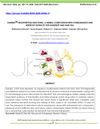 October 2020 in “Journal of bio innovation”
 DanEraTM hair tonic effectively treats dandruff and hair fall using natural ingredients.
 2 citations
,
August 2023 in “Life”
2 citations
,
August 2023 in “Life” Bioinspired polymers are promising for advanced medical treatments and tissue repair.
 November 2025 in “SKIN The Journal of Cutaneous Medicine”
 Baricitinib works better in adolescents than adults for treating severe alopecia areata.
 January 2024 in “Editora Científica Digital eBooks”
 Natural substances might help with hair loss and scalp problems.
13 citations
,
March 1999 in “Biochemical Journal” Overexpressing SSAT in mice makes them highly sensitive to polyamine analogues, causing liver damage and high mortality.
30 citations
,
July 1984 in “Journal of Animal Science” Adding biotin to sows' diets increased the number of pigs weaned per litter.
January 2016 in “Universitätsbibliothek der FU Berlin Hochschulschriftenstelle u. Dokumentenserver” The new biodegradable nanocarriers safely and effectively deliver drugs into the skin.
 November 2025 in “Mendeley Data”
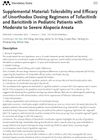
 Unorthodox dosing of tofacitinib and baricitinib is safe but less effective than standard dosing for treating alopecia areata in kids.
July 2023 in “Current Developments in Nutrition” 2 citations
,
January 1989 Tay syndrome is a unique genetic disorder causing skin, hair, and developmental issues.
12 citations
,
May 2013 in “International Journal of Molecular Sciences” Stem cells from elderly skin can become neurons, offering potential for brain therapy.
27 citations
,
October 1998 in “Differentiation” Basonuclin helps identify and track hair follicle development and cycling in mice.