 July 2026 in “Nature Communications”
 Colorectal cancer uses wound-healing processes to spread, suggesting new treatment targets.

PROMETHEUS helps organize and evaluate causal claims from large language models.
 April 2026 in “Signal Transduction and Targeted Therapy”
 Balancing testosterone may reduce COVID-19 severity.
 April 2026 in “Research Square”
 COVID-19 can harm male fertility by reducing sperm stem cells and damaging testicular function.

Ca²⁺-mediated protein citrullination controls cell growth in the CNS and may help treat brain tumors.
 January 2026 in “Clinical Chemistry and Laboratory Medicine (CCLM)”
 The procedure accurately measures 5-alpha-dihydrotestosterone in blood, useful for standard tests.
 January 2026 in “Nano-Micro Letters”
 4D scaffolds made with melt electrowriting can change shape for use in medicine.
 January 2026 in “Communications Biology”
 Yak hair follicles adapt to cold through specific gene regulation, enhancing cell growth.
 December 2025 in “Nature Communications”
 Club-like receptors detect light touch but not whisking.

New-onset fibromyalgia after COVID-19 is poorly understood, needing better definitions and studies.
 June 2025 in “Basrah Researches Sciences”
 Medicinal plants might help with post-COVID-19 issues, but more research is needed.
 June 2025 in “Current Trends in Biotechnology and Pharmacy”
 The polyherbal hair tonic promotes hair growth and has antibacterial properties.
 May 2025 in “The Journal of Rheumatology”
 A woman with skin and joint issues progressed from one type of lupus to another, highlighting the need to recognize complex conditions.
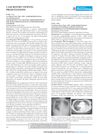 May 2025 in “The Journal of Rheumatology”
 Early diagnosis and treatment are crucial for CAPS, and Eculizumab can be effective.
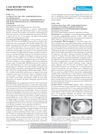 May 2025 in “The Journal of Rheumatology”
 Trans-esophageal echocardiography is crucial for accurately diagnosing heart issues in lupus patients.
 May 2025 in “The Journal of Rheumatology”
 Chronic granulomatous disease may be linked to developing systemic lupus erythematosus.
 May 2025 in “The Journal of Rheumatology”
 Anifrolumab may help improve symptoms in patients with overlapping autoimmune diseases.
 May 2025 in “The Journal of Rheumatology”
 Mixed Connective Tissue Disease can develop from overlapping symptoms of several autoimmune diseases, making diagnosis complex.
 May 2025 in “The Journal of Rheumatology”
 Anti-CD19 therapy may help treat SLE and NMOSD.
 May 2025 in “The Journal of Rheumatology”
 Early recognition and management of gastrointestinal tuberculosis in lupus patients are crucial to prevent complications.
 May 2025 in “The Journal of Rheumatology”
 Catatonia can be a rare sign of lupus, needing careful diagnosis and treatment.
 May 2025 in “The Journal of Rheumatology”
 Purpura fulminans can signal underlying autoimmune disorders, not just infections.
 May 2025 in “The Journal of Rheumatology”
 Lupus patients in Ghana face healthcare challenges, and the Oyemam Autoimmune Foundation is working to improve awareness and support.
May 2025 in “The Journal of Rheumatology” Bullous lupus can cause severe esophageal issues but responds well to corticosteroids and azathioprine.
 May 2025 in “The Journal of Rheumatology”
 Atypical symptoms in lupus can indicate different kidney issues.
 May 2025 in “The Journal of Rheumatology”
 Correct diagnosis is crucial for treating overlapping conditions like NMOSD and SLE effectively.
 May 2025 in “The Journal of Rheumatology”
 Middle-aged women with dilated cardiomyopathy should be screened for antiphospholipid syndrome.
 May 2025 in “The Journal of Rheumatology”
 Early recognition and a team approach are crucial for managing diffuse alveolar hemorrhage in antiphospholipid syndrome.
 May 2025 in “The Journal of Rheumatology”
 Antiphospholipid syndrome can severely damage adrenal glands, requiring early diagnosis and treatment.
 May 2025 in “The Journal of Rheumatology”
 SLE can cause unusual gastrointestinal symptoms, and immunosuppressive therapy can be effective.