 February 2025 in “Physician s Journal of Medicine”
 Recognizing skin symptoms can help diagnose and manage COVID-19.
 January 2025 in “International Journal of Drug Delivery Technology”
 A reliable method was developed to measure Finasteride and Tadalafil together, showing they degrade under certain conditions.

Shock wave therapy improved muscle function and movement in children with spastic cerebral palsy.
 December 2024 in “International Journal of Drug Delivery Technology”
 The new delivery method for dutasteride is more effective and has fewer side effects.
 October 2024 in “Irish Journal of Medical Science (1971 -)”
 Electrical stimulation with a low-calorie diet reduces appetite, weight, and blood pressure in obese people with sleep apnea.
 September 2024 in “Cureus”
 Removing breast implants resolved the patient's symptoms.
 June 2024 in “International Journal of Pharmaceutical Quality Assurance”
 The method accurately and quickly measures silodosin and dutasteride in mixtures.
 May 2024 in “International Journal of Advanced Multidisciplinary Research and Studies”
 COVID-19 can cause various skin issues, like rashes and hair loss, which help in early diagnosis.
 April 2024 in “Cell death and disease”
 Long COVID causes various long-term health issues and needs better awareness and treatment.
 February 2024 in “Research Square (Research Square)”
 Proteins from Tianshan red deer abomasum have strong anti-inflammatory, anti-tumor, and antioxidant effects.
 January 2024 in “Institutional Repositories DataBase (IRDB)”
 The method accurately measures steroid hormones in hair to study hormone dynamics related to hair loss.
 December 2023 in “Kiểm nghiệm và An toàn thực phẩm/Kiểm nghiệm và An toàn thực phẩm (online)”
 The method detected sex hormones in some health supplements, with one containing banned testosterone.
 December 2023 in “Tuberkuloz ve Toraks/Tüberküloz ve toraks”
 Many COVID-19 patients have long-term symptoms, especially women, but certain medications may help reduce these symptoms.
 October 2023 in “Clinical medicine and medical research”
 Thyroid function may influence hair loss after COVID-19.
 August 2023 in “International journal of research in Ayurveda and pharmacy”
 Garudan Kizhangu Ennai may effectively treat alopecia areata but needs more research to confirm its safety and effectiveness.
 August 2023 in “bioRxiv (Cold Spring Harbor Laboratory)”
 Too much β-catenin activity can mess up the development of mammary glands and make them more like hair follicles.
 June 2023 in “SPIRE - Sciences Po Institutional REpository”
 Extracellular vesicles and androgen receptors may help identify prostate cancer resistance and reduce SARS-CoV-2 infection.
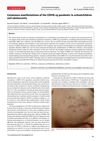 January 2023 in “Acta dermatovenerologica Alpina, Pannonica et Adriatica (Tiskana izd.)”
 The article concludes that schoolchildren and adolescents experienced various skin issues during the COVID-19 pandemic, including acne from masks and other skin reactions from the virus and vaccines.
 January 2023 in “Journal of men's health”
 Higher dihydrotestosterone may be linked to more inflammation in COVID-19 patients with low testosterone.

Quality of life improved after COVID-19, but ongoing health support is needed.
 December 2022 in “Sudan Journal of Medical Sciences”
 Vaccination is the most effective way to reduce COVID-19 transmission.
Social media data can help track and predict COVID-19 symptoms and trends.

No single biomarker is reliable enough for diagnosing and assessing SLE.
 January 2022 in “Dermatology Review”
 Higher IL-31 levels are linked to worse itching in chronic kidney disease patients.
 April 2021 in “Journal of Law Public Policies and Human Sciences”
 The described COVID-19 treatments seemed effective in influencing the disease's course, duration, and severity.
 September 2020 in “Annals of the National Academy of Medical Sciences. India”
 COVID-19 can cause skin issues like "COVID toes," rashes, hair loss, and hand eczema, and dermatologists are important for recognizing these signs.
 January 2020 in “Asian Journal of Basic Science & Research”
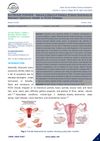
 Nutrease powder, a high-protein, low-carb supplement, can help manage Polycystic Ovary Syndrome symptoms, regulate periods, improve ovulation, and restore fertility.
Wildebeest stress and hormone levels are influenced by food availability, human presence, and reproductive cycles.
 May 2019 in “bioRxiv (Cold Spring Harbor Laboratory)”
 Testosterone significantly affects urination differences between male and female mice.
 April 2017 in “Journal of Investigative Dermatology”
 Researchers improved a method to study individual cells in newborn mouse skin and found a way to assess the severity of a skin condition in humans.