Isotretinoin and tazarotene help treat acne, while minoxidil and finasteride promote hair growth.
 336 citations
,
August 2015 in “European Journal of Epidemiology”
336 citations
,
August 2015 in “European Journal of Epidemiology” The Rotterdam Study found risk factors for elderly diseases, links between lifestyle and genetics with health conditions, and aimed to explore new areas like DNA methylation and sensory input effects on brain function.
 28 citations
,
October 1998 in “Baillière's clinical endocrinology and metabolism”
28 citations
,
October 1998 in “Baillière's clinical endocrinology and metabolism” Testosterone replacement may help post-menopausal women with androgen insufficiency, but more research is needed on its benefits and risks.
 8 citations
,
February 2009 in “Current Women's Health Reviews”
8 citations
,
February 2009 in “Current Women's Health Reviews” Testosterone treatment can improve sexual function and bone density in women but may have adverse effects and requires more research on safety and guidelines.
 3 citations
,
March 2019 in “Post Reproductive Health”
3 citations
,
March 2019 in “Post Reproductive Health” Testosterone replacement can help menopausal women with various symptoms, but should be used carefully and is not yet officially licensed in the UK for women.
 81 citations
,
May 2007 in “Fertility and Sterility”
81 citations
,
May 2007 in “Fertility and Sterility” Testosterone therapy seems safe for postmenopausal women for a few years, but more research is needed for long-term effects.
 36 citations
,
October 2009 in “Journal of Investigative Dermatology”
36 citations
,
October 2009 in “Journal of Investigative Dermatology” Dihydrotestosterone can be made from dehydroepiandrosterone in skin cells without needing testosterone.
 46 citations
,
January 2008 in “Climacteric”
46 citations
,
January 2008 in “Climacteric” Testosterone therapy can help improve sexual desire and function in postmenopausal women but may cause side effects and is not FDA-approved for this use.
 10 citations
,
October 2010 in “International Journal of Andrology”
10 citations
,
October 2010 in “International Journal of Andrology” Finasteride doesn't affect oral testosterone undecanoate, and high DHT levels may cause acne, prostate issues, and hair loss.
 10 citations
,
April 2006 in “Seminars in Reproductive Medicine”
10 citations
,
April 2006 in “Seminars in Reproductive Medicine” Testosterone therapy may improve mood, well-being, and sexual function in premenopausal women, but more research is needed on its long-term safety and effectiveness.
 6 citations
,
September 2012 in “Clinical Interventions in Aging”
6 citations
,
September 2012 in “Clinical Interventions in Aging” Honokiol might help reduce male skin aging by maintaining testosterone levels.
 5 citations
,
June 2004 in “The Journal of The British Menopause Society”
5 citations
,
June 2004 in “The Journal of The British Menopause Society” Testosterone therapy can improve sexual satisfaction and mood in surgically menopausal women when used with estrogen, but its long-term safety and effects on naturally menopausal and premenopausal women are unclear.
 September 2025 in “Cureus”
 Equilibrium dialysis can accurately measure testosterone levels when lab results are inconsistent.
 September 2012 in “African Journal of Urology”
 Testosterone replacement therapy improves libido, mood, muscle strength, and bone density in men with Testosterone Deficiency Syndrome.
 August 2019 in “Journal of archaeological science: Reports/Journal of archaeological science: reports”
 Ancient hair can preserve hormones, revealing health and fertility insights.
 26 citations
,
December 2020 in “Cleveland Clinic Journal of Medicine”
26 citations
,
December 2020 in “Cleveland Clinic Journal of Medicine” Testosterone and DHEA can benefit women's health but must be prescribed carefully due to potential risks.
 21 citations
,
November 2010 in “Talanta”
21 citations
,
November 2010 in “Talanta” Researchers developed a reliable method to measure testosterone and epitestosterone in urine for medical and anti-doping use.
 17 citations
,
February 2019 in “Journal of Clinical Medicine”
17 citations
,
February 2019 in “Journal of Clinical Medicine” Testosterone replacement therapy should be used for men with low testosterone levels and symptoms of hypogonadism, after careful diagnosis and considering individual needs.
 17 citations
,
August 2007 in “Bioorganic & Medicinal Chemistry Letters”
17 citations
,
August 2007 in “Bioorganic & Medicinal Chemistry Letters” A compound made by Pfizer can potentially stimulate hair growth and reduce oil production, making it a good candidate for topical use.
 14 citations
,
November 1982 in “British Journal of Dermatology”
14 citations
,
November 1982 in “British Journal of Dermatology” Testosterone conversion to 5α-DHT may not be essential for its effects on the skin.
 12 citations
,
September 2018 in “Journal of Drug Delivery Science and Technology”
12 citations
,
September 2018 in “Journal of Drug Delivery Science and Technology” The silk fibroin hydrogel with FGF-2-liposome can potentially treat hair loss in mice.
 12 citations
,
December 2017 in “Scientific reports”
12 citations
,
December 2017 in “Scientific reports” The new test can measure very small amounts of testosterone in hair, and grinding the hair up first gives more accurate results.
 11 citations
,
August 2020 in “Diabetes”
11 citations
,
August 2020 in “Diabetes” Testosterone helps human pancreatic cells increase insulin release.
 11 citations
,
May 2010 in “Journal of Medicinal Chemistry”
11 citations
,
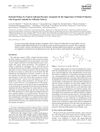
May 2010 in “Journal of Medicinal Chemistry” A new compound was created in 2010 that can control oil production when applied to the skin, and its effects are completely reversible after two weeks.
 11 citations
,
March 2009 in “Bioorganic & Medicinal Chemistry Letters”
11 citations
,
March 2009 in “Bioorganic & Medicinal Chemistry Letters” Chemicals called 4-(alkylthio)- and 4-(arylthio)-benzonitrile derivatives can potentially reduce oil production on skin, which could help treat conditions like acne and hair loss.
 11 citations
,
August 2007 in “Bioorganic & Medicinal Chemistry Letters”
11 citations
,
August 2007 in “Bioorganic & Medicinal Chemistry Letters” Scientists made a chemical (compound 4e) that can be applied on skin to reduce oil production, which can help with acne, but it might cause skin sensitivity to light.
 8 citations
,
November 2015 in “Saudi Journal of Biological Sciences”
8 citations
,
November 2015 in “Saudi Journal of Biological Sciences” A mix of Panax ginseng and bee-pollen may help prevent prostate enlargement in rats.
 7 citations
,
April 2009 in “Bioorganic & Medicinal Chemistry Letters”
7 citations
,
April 2009 in “Bioorganic & Medicinal Chemistry Letters” Diphenyl ethers can potentially reduce excess oil production when applied on the skin, helping treat conditions like acne.
 6 citations
,
November 1997 in “International Journal of Dermatology”
6 citations
,
November 1997 in “International Journal of Dermatology” Women with acne and irregular periods had higher active testosterone levels, which could suggest the usefulness of antiandrogen treatment.
 5 citations
,
September 2011 in “Bioorganic & Medicinal Chemistry Letters”
5 citations
,
September 2011 in “Bioorganic & Medicinal Chemistry Letters” Pfizer found that pantolactam-based compounds can reduce sebum (skin oil) production when applied topically.