13 citations
,
May 2021 in “FASEB bioAdvances” Plant-based products can improve hair and skin health without harmful side effects.
 November 2023 in “PubMed”
 Pentoxifylline is a safe and effective alternative to triamcinolone acetonide for treating localized alopecia areata.
March 2026 in “Drug Testing and Analysis” PTeCA is a reliable marker for detecting oxidative hair treatments.
RADA16-I improves hair growth on deep burn wounds better than other materials.
7 citations
,
October 1992 in “PubMed” Sinus hair follicles in mammals have different nerve fiber types with species-specific patterns, especially in cats.
 April 2018 in “Journal of Investigative Dermatology”
 CENPV, a new partner of CYLD, helps regulate ciliary acetylated tubulin and is overexpressed in certain skin tumors.
 2 citations
,
November 2023 in “Bioactive materials”
2 citations
,
November 2023 in “Bioactive materials” New method improves copper peptide delivery for hair growth three times better than current options.
 54 citations
,
November 2001 in “Urology”
54 citations
,
November 2001 in “Urology” The length of the CAG repeat in the androgen receptor gene affects the risk and progression of prostate cancer, BPH, infertility, and undermasculinized genitalia.
5 citations
,
January 2012 in “Journal of nutrition & food sciences” The supplement improved hair, skin, and nails appearance and had long-term benefits.
January 2016 in “Dermatology online journal” A 15-year-old girl has a benign skin tumor on her neck.
February 2023 in “Materials today bio” The treatment effectively promotes hair regrowth in androgenetic alopecia without causing skin irritation.
6 citations
,
April 2025 in “Food Bioscience” Fish scale collagen peptide speeds up wound healing effectively.
5 citations
,
June 2024 in “Pharmacological Research” FOL-026 peptide may help hair growth and cardiovascular health by improving blood flow and cell functions.
3 citations
,
October 1994 in “Journal of Dermatological Science” The new antibody, TYHF-1, specifically targets certain hair-related structures.
112 citations
,
February 2001 in “Journal of Investigative Dermatology” Neuropeptides affect hair growth, with some speeding it up and others slowing it down.
 January 2020 in “bioRxiv (Cold Spring Harbor Laboratory)”
 Semecarpus anacardium leaf extracts may offer safe, effective cancer treatment alternatives.
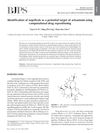 January 2017 in “Brazilian Journal of Pharmaceutical Sciences”
 Arteannuin might work against cancer and Alzheimer's by targeting neprilysin.
19 citations
,
September 2019 in “British Journal of Dermatology” FOL-005 peptide can reduce human hair growth by lowering FGF7 levels.
3 citations
,
March 2013 in “Journal of the Society of Cosmetic Scientists of Korea” Transglutaminase can repair damaged hair, making it stronger and shinier.
5 citations
,
April 2022 in “The journal of investigative dermatology/Journal of investigative dermatology” A new therapy for a skin blistering condition has not been developed yet.
11 citations
,
August 2024 in “Advanced Healthcare Materials” A new hydrogel with stem cells can repair damaged uterine lining and improve fertility.
2 citations
,
November 2024 in “In Silico Pharmacology”  January 2026 in “Clinical Cosmetic and Investigational Dermatology”
 Placenta polypeptide injection is a safe and effective treatment for sensitive skin.
6 citations
,
July 2016 in “Doklady Biochemistry and Biophysics” GD-23 reduces anxiety by relying on neurosteroid production.
Keratin peptides in hair may help identify gender and ethnicity, but more research is needed.
13 citations
,
August 2022 in “Nanomaterials” The new wound dressing helps heal abdominal wall defects faster by improving the wound environment.
108 citations
,
October 2003 in “Journal of biological chemistry/The Journal of biological chemistry” Trichohyalin makes hair follicles stronger.
54 citations
,
November 1994 in “Differentiation” Trichohyalin is found in non-hair tissues and works with filaggrin in certain skin areas and conditions.
 April 2024 in “Current research in nutrition and food science”
 Taking an amino acid supplement improved skin, hair, and nail health in women.
July 2024 in “Journal of Investigative Dermatology” ATR12-351 ointment safely delivers LEKTI protein to the skin, reducing enzyme activity in Netherton syndrome.