July 2026 in “Cosmoderma” Tapering and stopping tofacitinib may be possible for young alopecia areata patients.
 339 citations
,
February 2014 in “Journal of The American Academy of Dermatology”
339 citations
,
February 2014 in “Journal of The American Academy of Dermatology” Most patients with frontal fibrosing alopecia are postmenopausal women, and treatments like finasteride and dutasteride can improve or stabilize the condition.
 2 citations
,
April 2023 in “Cutis”
2 citations
,
April 2023 in “Cutis” More inclusive research is needed to effectively treat frontal fibrosing alopecia in Black patients.
October 2024 in “Journal of Pakistan Association of Dermatologists” Tofacitinib helped a 21-year-old regrow hair after alopecia totalis.
December 2023 in “JEADV Clinical Practice” Brownish halos around axillary hair can help diagnose frontal fibrosing alopecia.
January 2025 in “International Journal of Pharmaceutics” The treatment showed significant hair regrowth in alopecia areata patients without side effects.
4 citations
,
February 2023 in “International Journal of Stem Cells” The FTO gene hinders stem cells in hair follicles from becoming pigment cells.
 June 2024 in “Australasian Journal of Dermatology”
 Tofacitinib is safe and effective for treating moderate-to-severe alopecia areata.
 1 citations
,
April 2017 in “Journal of Investigative Dermatology”
1 citations
,
April 2017 in “Journal of Investigative Dermatology” Tofacitinib may slow hair loss in scarring alopecias but is unlikely to regrow significant hair.
 April 2023 in “The journal of investigative dermatology/Journal of investigative dermatology”
 Folliculotropic mycosis fungoides has unique molecular features and cell interactions that could guide targeted therapy.
 9 citations
,
May 2021 in “International Journal of Dermatology”
9 citations
,
May 2021 in “International Journal of Dermatology” The trial showed that a new under-the-tongue treatment for severe hair loss was somewhat effective in a small group of people.
December 2022 in “Zenodo (CERN European Organization for Nuclear Research)” Tofacitinib effectively treated severe alopecia areata in a 14-year-old girl.
January 2024 in “Pharmacoepidemiology” Patients with rheumatoid arthritis using tofacitinib had more serious side effects than those with alopecia areata.
10 citations
,
June 2022 in “Frontiers in Immunology” Fucoidan reduces bone cell formation by affecting T-cell activity.
 5 citations
,
March 2014 in “Journal of The American Academy of Dermatology”
5 citations
,
March 2014 in “Journal of The American Academy of Dermatology” The study suggests hormonal factors may play a role in Frontal Fibrosing Alopecia and that treatments like oral antiandrogens and steroids could be beneficial.
 2 citations
,
July 2021 in “JAAD Case Reports”
2 citations
,
July 2021 in “JAAD Case Reports” Trichoscopy of the beard is useful for diagnosing frontal fibrosing alopecia in men.
January 2024 in “Dermatologic Therapy” Tofacitinib effectively reduces hair loss in children with alopecia areata but may cause mild side effects and relapses.
March 2022 in “Oncology Times” Tebentafusp-tebn improves survival rates in uveal melanoma patients but has common side effects like rash and fatigue.
2 citations
,
June 2020 in “Clinical Journal of Gastroenterology” Tofacitinib effectively treated both ulcerative colitis and alopecia areata in two patients.
January 2016 in “Indian dermatology online journal” Frontal fibrosing alopecia causes hair loss at the front hairline, and no effective treatment exists.
The article suggests that patients with Frontal Fibrosing Alopecia may have more contact allergies, but it doesn't prove that allergies cause the condition.
 March 2025 in “Indian Journal of Dermatology Venereology and Leprology”
 Tofacitinib is effective for treating alopecia totalis and universalis, with some patients experiencing significant hair regrowth.
 March 2026 in “Journal of Pakistan Association of Dermatologists”
 Tofacitinib helps hair regrowth in alopecia areata but relapse is common after stopping treatment.
 33 citations
,
January 2015 in “Journal of Cosmetic Dermatology”
33 citations
,
January 2015 in “Journal of Cosmetic Dermatology” Familial frontal fibrosing alopecia affects premenopausal women too, and early diagnosis is important, but no proven medication exists yet.
 24 citations
,
June 2016 in “Acta dermato-venereologica”
24 citations
,
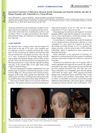
June 2016 in “Acta dermato-venereologica” Tofacitinib helped a young woman's severe hair loss and arthritis but not her plaque psoriasis.
 49 citations
,
March 2017 in “Journal of the American Academy of Dermatology”
49 citations
,
March 2017 in “Journal of the American Academy of Dermatology” Tofacitinib caused significant hair regrowth in adolescents with alopecia universalis who didn't respond to other treatments.
2 citations
,
September 2021 in “Anais Brasileiros de Dermatologia” Increased sunscreen use may be linked to frontal fibrosing alopecia in Hispanic females.
 11 citations
,
November 2019 in “Clinical Case Reports”
11 citations
,
November 2019 in “Clinical Case Reports” A Brazilian teenager with severe hair loss had total hair regrowth with no side effects after using tofacitinib.
 2 citations
,
April 2017 in “Journal of Investigative Dermatology”
2 citations
,
April 2017 in “Journal of Investigative Dermatology” Tofacitinib helped over half of the patients with severe hair loss regrow at least 50% of their hair.
July 2024 in “Journal of Controlled Release” Nanostructured lipid carriers effectively deliver tofacitinib to hair follicles, reversing hair loss in alopecia areata.