 25 citations
,
November 2018 in “Cell reports”
25 citations
,
November 2018 in “Cell reports” The study concluded that specific proteins are necessary to maintain the structure that holds epithelial cells tightly together.
191 citations
,
November 2007 in “Journal of Biological Chemistry” Very-long-chain acyl-CoA synthetases and fatty acid transport proteins play key roles in fatty acid metabolism and lipid processing in different tissues.
 29 citations
,
March 2010 in “Journal of Dermatological Science”
29 citations
,
March 2010 in “Journal of Dermatological Science” Wnt3a activates certain genes in hair follicle cells, including a newly discovered one, EP2, which may affect hair growth.
The treatment was not recommended due to limited effectiveness and significant side effects.
July 2024 in “Journal of Controlled Release” Nanostructured lipid carriers effectively deliver tofacitinib to hair follicles, reversing hair loss in alopecia areata.
 57 citations
,
December 2021 in “Nature Communications”
57 citations
,
December 2021 in “Nature Communications” Non-canonical Wnt signaling helps intestinal stem cells move to injury sites for tissue repair.
10 citations
,
June 2021 in “Journal of Investigative Dermatology”  January 2023 in “Revista Paulista de Pediatria”
 A Brazilian male with IFAP syndrome has a unique genetic variant causing his condition.
 April 2023 in “Journal of Investigative Dermatology”
 Human TMEM2 does not break down hyaluronan but helps control its metabolism.
 January 2026 in “Food Science and Human Wellness”
 Flammulina velutipes polysaccharide helps the immune system fight tumors by activating certain pathways.
13 citations
,
February 2017 in “Clinical rheumatology” Tofacitinib may help treat nail dystrophy, especially when other treatments fail.
 May 2018 in “Journal of Investigative Dermatology”
 Activating Wnt in skin cells controls the number of hair follicles by directing cell movement and fate.

Activating certain hair follicle cells could prevent hair loss from cancer treatments.
 1 citations
,
March 2004 in “Journal of the American Academy of Dermatology”
1 citations
,
March 2004 in “Journal of the American Academy of Dermatology” ZD1839, a cancer drug, can cause mild skin rashes that are treatable without stopping the medication.
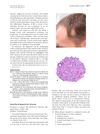
The man has Temporal Triangular Alopecia, a stable, non-scarring hair loss condition best treated with hair transplantation.
 103 citations
,
June 2018 in “International Journal of Molecular Sciences”
103 citations
,
June 2018 in “International Journal of Molecular Sciences” FGF signaling is a promising target for developing treatments for wounds, metabolic diseases, and cancer.
3 citations
,
July 2024 in “Cell Proliferation” Blocking TGFβ can help treat fibrotic skin conditions by promoting fat cell formation.
October 2012 in “Sax's Dangerous Properties of Industrial Materials” 75 citations
,
September 2016 in “EMBO journal” PRC2 is essential for maintaining intestinal cell balance and aiding regeneration after damage.
 December 2020 in “TURKDERM”
 A 3-year-old boy was diagnosed with a rare, non-scarring hair loss condition called temporal triangular alopecia.
12 citations
,
December 2023 in “Plant Communications” ADF8 and ADF11 help root hairs grow longer at high pH.
 April 2017 in “Journal of Investigative Dermatology”
 A boy with Oculodentodigital syndrome had a unique GJA1 gene mutation causing his symptoms.
October 2025 in “Journal of the Endocrine Society” A rare ovarian tumor was found in a young woman with a genetic fat disorder.
1 citations
,
April 2023 in “Heliyon” Disitamab vedotin and gemcitabine effectively treated bladder cancer without major side effects.
Higher PD-1 levels mean fewer CD8+ T cells in alopecia areata hair follicles.
91 citations
,
December 2019 in “The EMBO Journal” NEDD4 and NEDD4L help control intestinal stem cells and prevent tumors by breaking down the LGR5 receptor.
 13 citations
,
June 2012 in “Journal of Dermatological Case Reports”
13 citations
,
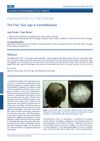
June 2012 in “Journal of Dermatological Case Reports” An 8-year-old boy with hair-pulling disorder had a bald patch that was confirmed not to be a fungal infection and was treated with therapy.
17 citations
,
January 2010 in “PubMed” CD10 helps distinguish between basal cell carcinoma and benign hair follicle tumors.
 January 2025 in “Cell Communication and Signaling”
 CXXC5 can both suppress and promote cancer, making it a complex target for treatment.
 13 citations
,
January 2019 in “Skin appendage disorders”
13 citations
,
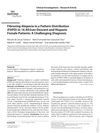
January 2019 in “Skin appendage disorders” FAPD is a possible diagnosis for hair loss in patients of color and requires multiple evaluations for accurate diagnosis.