1 citations
,
January 2020 in “VTechWorks (Virginia Tech)” αCT1 improves scar appearance by changing early collagen structure.
 14 citations
,
January 2011 in “Journal of Cutaneous Pathology”
14 citations
,
January 2011 in “Journal of Cutaneous Pathology” CK15 is not a reliable marker for stem cells in damaged hair follicles from patients with CCCA.
333 citations
,
March 2000 in “Proceedings of the National Academy of Sciences” Overexpressing GLI-1 in mice skin can cause tumors like human basal cell carcinomas.
 February 2026 in “Oncology Reviews”
 Sacituzumab tirumotecan shows promise in treating breast cancer with manageable side effects.
 35 citations
,
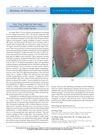
May 2008 in “Journal of Clinical Oncology”
35 citations
,
May 2008 in “Journal of Clinical Oncology” A cancer patient died from a severe skin reaction after taking the drug cetuximab.
75 citations
,
September 2007 in “Journal of Heredity” FGF5 gene mutations cause long hair in domestic cats.
 6 citations
,
January 2017 in “Dermato-endocrinology”
6 citations
,
January 2017 in “Dermato-endocrinology” ADT-G may be a useful indicator of increased androgen levels in women with acne and can be lowered with certain birth control pills.
April 2019 in “The journal of investigative dermatology/Journal of investigative dermatology” Disrupting the Tsc2 gene in certain cells leads to thicker skin, larger hair, and changes in hair growth signaling, which can be partly reversed with specific treatment.
July 2025 in “Materials Today Bio” TFC-loaded microneedles effectively promote hair regrowth in androgenetic alopecia.
 1 citations
,
November 2023 in “American journal of clinical pathology”
1 citations
,
November 2023 in “American journal of clinical pathology” Transgender men on testosterone therapy need ongoing gynecologic care due to potential cancer risks.
3 citations
,
August 2022 in “International Journal of Molecular Sciences” TSC2-/meth cells can cause skin lesions, hair growth, and lung issues, and may be treated with chromatin remodeling agents.
6 citations
,
March 1996 in “Journal of Investigative Dermatology”  2 citations
,
August 2020 in “Cosmetics”
2 citations
,
August 2020 in “Cosmetics” Herbal formula shows promise for hair loss treatment.
 40 citations
,
April 2006 in “Journal of the European Academy of Dermatology and Venereology”
40 citations
,
April 2006 in “Journal of the European Academy of Dermatology and Venereology” The Trichoscan system was found to be inaccurate for measuring hair growth, needing better software to be useful.
 2 citations
,
July 2015 in “Journal of Cosmetic Dermatology”
2 citations
,
July 2015 in “Journal of Cosmetic Dermatology” No clear link between specific gene and hair loss in Mexican brothers.
March 2026 in “Journal of Investigative Dermatology” CCCA can occur in children and needs early diagnosis to prevent permanent hair loss.
4 citations
,
March 2007 in “British Journal of Dermatology” Gefitinib therapy can cause unusual hair growth on the nose.
3 citations
,
July 2022 in “Brain and Behavior” The HtrA1L364P mutation causes brain dysfunction and blood vessel damage.
9 citations
,
January 2007 in “Journal of dermatological treatment” Testosterone gel helps increase facial hair in young men with beta-thalassemia major.
 September 2025 in “Cureus”
 There is no standard treatment for CCCA, and practices vary widely.
June 2023 in “Journal of Biological Chemistry” Get3d protein helps maintain photosynthesis in plants and photosynthetic bacteria.
 June 2017 in “Asian journal of pharmaceutical and clinical research”
 Green tea extract gel safely increases eyelash length.
 86 citations
,
August 2011 in “Toxicological sciences”
86 citations
,
August 2011 in “Toxicological sciences” TCDD speeds up skin barrier formation by increasing certain gene expressions.
11 citations
,
May 2010 in “Pigment Cell & Melanoma Research” Two genes, Tabby and Ticked, determine cat coat patterns.
14 citations
,
January 2022 in “Evidence-based Complementary and Alternative Medicine” Cryptotanshinone may help treat postmenopausal osteoporosis and protect kidneys.
10 citations
,
January 2011 in “Journal of biomedical optics” OCT is a reliable, noninvasive way to measure hair thickness.
 3 citations
,
May 2024 in “Cureus”
3 citations
,
May 2024 in “Cureus” Early detection and removal of hair can prevent damage in hair-thread tourniquet syndrome.
 15 citations
,
November 2012 in “International Journal of Dermatology”
15 citations
,
November 2012 in “International Journal of Dermatology” The conclusion is that hair loss from CCCA may be genetic and not solely caused by hair grooming practices.
 204 citations
,
May 2014 in “The Journal of Sexual Medicine”
204 citations
,
May 2014 in “The Journal of Sexual Medicine” Hormone therapy for trans individuals is effective and generally safe in the short term.
 10 citations
,
June 2011 in “Movement Disorders”
10 citations
,
June 2011 in “Movement Disorders” THAP1 gene changes do not affect DYT1 dystonia; finasteride may help reduce tics and OCD in Tourette syndrome.