
γδTregs may help treat autoimmune diseases like alopecia areata by promoting hair regrowth and reducing immune attacks.
 September 2017 in “Journal of Investigative Dermatology Symposium Proceedings”
 Prostaglandin D2 increases testosterone production in skin cells through a process involving reactive oxygen species, which could be a new target for treating hair loss and other skin conditions driven by testosterone.
July 2025 in “Journal of Investigative Dermatology” γδ T cells can prevent and treat alopecia areata, offering a new therapy option.
 13 citations
,
March 2002 in “Pediatric Dermatology”
13 citations
,
March 2002 in “Pediatric Dermatology” A child was initially wrongly diagnosed with a fungal scalp infection but actually had a non-scarring hair loss condition called Temporal Triangular Alopecia.
54 citations
,
December 2011 in “American Journal Of Pathology” A Gsdma3 mutation causes hair loss due to stem cell damage from skin inflammation.
 3 citations
,
January 2004 in “Sen i Gakkaishi”
3 citations
,
January 2004 in “Sen i Gakkaishi” DTDG in hair treatments reduces damage and preserves hair structure.
 9 citations
,
January 1997 in “Endocrine Journal”
9 citations
,
January 1997 in “Endocrine Journal” Gonadal biopsy is the best method to diagnose gonadal dysgenesis.
12 citations
,
January 1987 in “Carcinogenesis” TCDD changes skin cell growth and keratin production in mice.
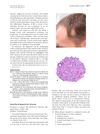
The man has Temporal Triangular Alopecia, a stable, non-scarring hair loss condition best treated with hair transplantation.
 December 2020 in “TURKDERM”
 A 3-year-old boy was diagnosed with a rare, non-scarring hair loss condition called temporal triangular alopecia.
 7 citations
,
June 2011 in “Movement Disorders”
7 citations
,
June 2011 in “Movement Disorders” A specific gene mutation is linked to a hereditary form of dystonia that responds well to certain medications.
Tianqi trichogen boosts hair growth in animals without causing allergies.
 April 2016 in “Journal of Investigative Dermatology”
 Blocking Prostaglandin D₂ (PGD₂) could help treat hair loss.
1 citations
,
February 2025 in “Journal of the Neurological Sciences” Beta-trace protein may help diagnose and predict treatment response in certain nerve disorders.
 25 citations
,
April 2015 in “Journal of Investigative Dermatology”
25 citations
,
April 2015 in “Journal of Investigative Dermatology” GasderminA3 is important for normal hair cycle transitions by controlling Wnt signaling.
 2 citations
,
March 2023 in “Skin research and technology”
2 citations
,
March 2023 in “Skin research and technology” Temporal triangular alopecia in infants is mostly seen in males at birth, with unique features that help with diagnosis.
 10 citations
,
April 2020 in “Clinics in Dermatology”
10 citations
,
April 2020 in “Clinics in Dermatology” Biotin supplements improved skin and hair problems in a girl with biotinidase deficiency.
 86 citations
,
August 2011 in “Toxicological sciences”
86 citations
,
August 2011 in “Toxicological sciences” TCDD speeds up skin barrier formation by increasing certain gene expressions.
27 citations
,
January 2018 in “Drug Delivery” GC10/DOX hydrogel shows promise as an effective thyroid cancer treatment.
2 citations
,
October 2024 in “Pharmaceutics” Smaller particle sizes of Tetrastigma hemsleyanum powders improve their effectiveness and liver health benefits.
 11 citations
,
September 2020 in “OncoTargets and Therapy”
11 citations
,
September 2020 in “OncoTargets and Therapy” Dihydrotestosterone increases growth and spread of human brain cancer cells, and blocking its formation might help treat this cancer.
 1 citations
,
October 2021 in “Journal of The American Academy of Dermatology”
1 citations
,
October 2021 in “Journal of The American Academy of Dermatology” The document concludes that treatments for hair loss in transgender and gender-diverse individuals include topical solutions, oral medications, laser therapy, and hair restoration procedures, with progress assessed after 6-12 months.
1 citations
,
April 2016 in “Journal of Investigative Dermatology” Targeting specific T cells may help treat alopecia areata.
 1 citations
,
January 2022 in “Transgender health”
1 citations
,
January 2022 in “Transgender health” Hormone therapy in transgender individuals can increase acne and affect hair growth and loss.
 April 2023 in “The journal of investigative dermatology/Journal of investigative dermatology”
 Lack of TG2 increases fat storage and lowers cell cleanup in skin oil cells.
3 citations
,
April 2021 in “Oncology Times” Trodelvy™ helped some patients with advanced breast cancer, but had side effects.
 November 2025 in “International Journal Of Ayurvedic And Herbal Medicine”
 A multidisciplinary approach effectively improves trichotillomania without side effects.
1 citations
,
June 2021 in “Disease and Diagnosis” Hashimoto thyroiditis can unexpectedly change into Graves’ disease, so early diagnosis and treatment are important.
13 citations
,
February 1995 in “Archives of Dermatological Research” Gamma/delta T cells help defend skin against heavy metals.
 10 citations
,
March 2015 in “Journal of dermatology”
10 citations
,
March 2015 in “Journal of dermatology” The boy's severe skin disorder is caused by two new mutations in his TGM1 gene.